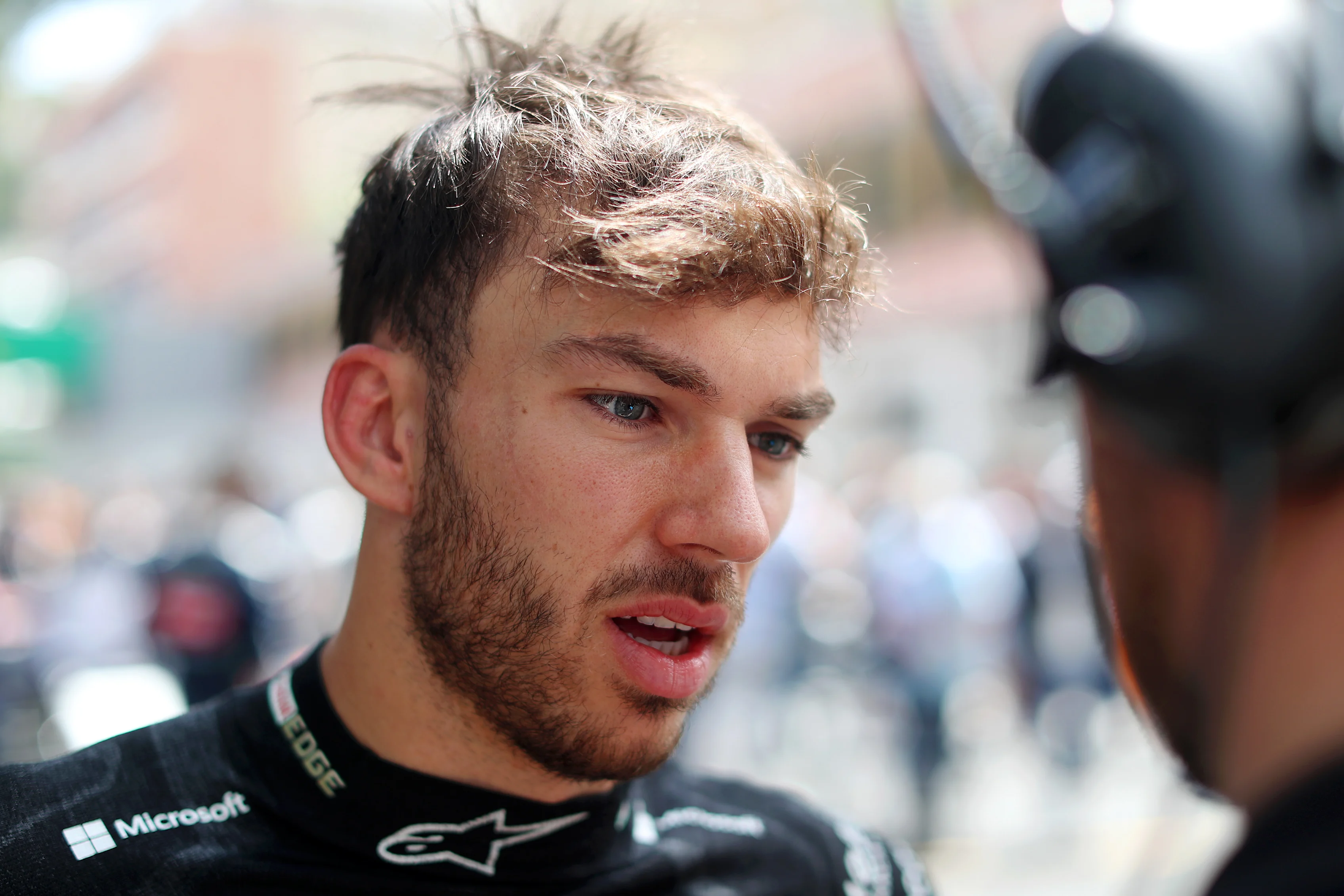
Alpine's rebuild will not be fronted by a famous technical name, and Flavio Briatore named a rival team to explain the logic.
"More than someone high-profile, we need a good one, because a lot of profile is no good at all," Briatore told select invited media including RacingNews365. "Formula 1 creates the monster, and after some time, the monster is working or not. Everybody knows Aston Martin has the best technical profile in the world. Lawrence Stroll has done an incredible job in building the factory and this and that, but the results are not the same, so we will never take a monster high-profile [technical figure] in my team."
He points instead at Enstone's record of manufacturing those reputations itself. "We created monster high-profiles in Ross Brawn, in Bob Bell, in Pat Symonds, and in James Allison. We found a way; we were working with young people, working with the structure. What we're looking for is not high-profile; it is a group of people working together and delivering the results."
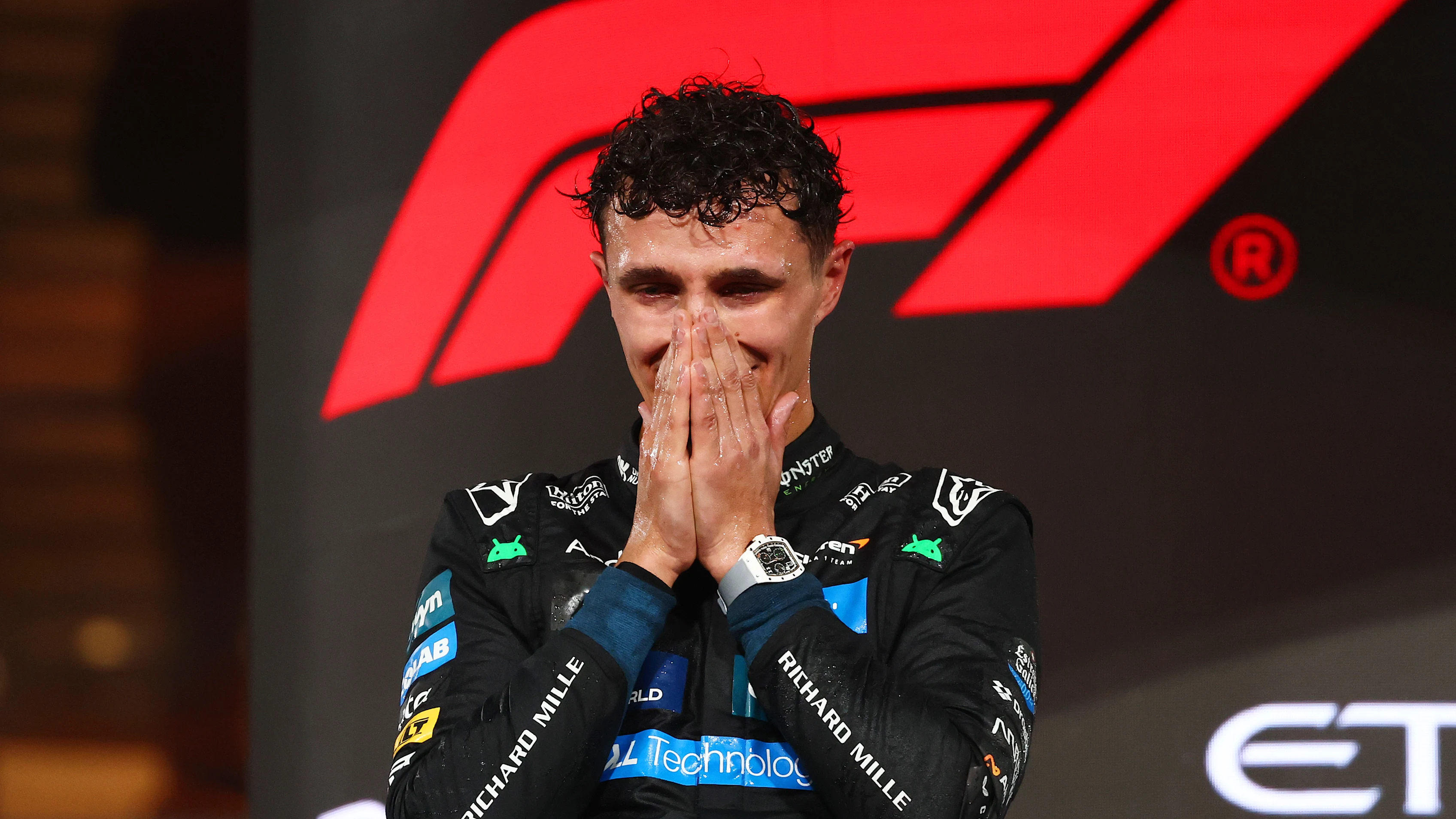
Recruitment continues regardless. "We need to work, especially to reorganise the platform we have, and that takes time. We need somebody with experience. We are hunting, but it's not easy." His patience has a limit: "A little bit of time is not 10 years, it is two or three years."
The commercial side has moved faster than the car. Alpine becomes the Gucci Racing Alpine Formula One team in 2027, a title deal Briatore told The Race almost died at the first meeting. His Gucci contact rejected it outright - "In the beginning, he told me it was a very bad idea" - and Kering chairman Francois-Henri Pinault had no relationship with the sport whatsoever. "In the beginning, it was difficult because Mr. Pinault never followed Formula One, had no idea what was going on."
Briatore solved it by inviting him to Monaco. "After that, he was convinced to do something with Alpine. We had a race in Monaco for him. It was the first race. He was incredibly enthusiastic, you know, seeing all this. Plus Monaco, it's an event, it's a big event."
On track the picture is uglier, and Pierre Gasly has not softened it. Alpine was the fourth-quickest car in Japan and scored a Monaco podium; by Hungary its supertimes deficit had gone from 1.028% to 2.120% and it was only seventh fastest, with Racing Bulls taking fifth in the constructors' championship before the shutdown.

"It's not the reality I want to see, but there's no hiding from it," Gasly said in Hungary. "In qualifying 12th, 13th behind Racing Bulls and Audi and in the race, it's like somehow you think that maybe we're going to be there and then I can see them, but it's just pure pace, we're not there."
He attributes the slide to rivals moving rather than Alpine collapsing. "I think it's just development," Gasly said. "They've really brought a lot of upgrades. It seems to work well, and from what we hear, even slightly better than they would have anticipated. At the moment, it's credit to them for the work they're doing. It's up to us to deliver with the new parts that will come in the next races."
The upgrade count supports that reading: ten performance updates from Racing Bulls across the four rounds before the break against six from Alpine, five of which landed together in Austria, with nothing new in Hungary. Racing director Dave Greenwood accepted the team had been "slightly out of step with everyone else" on timing while maintaining Alpine remained competitive.
Which loads a lot onto Zandvoort. The package Alpine brings there is one Gasly has described as critical to finishing fifth - the standard Briatore effectively set in January, when he asked for points every weekend and a top-six or seven finish after making a switch to customer Mercedes engines a condition of his own return. Alpine is currently the slowest team using them.
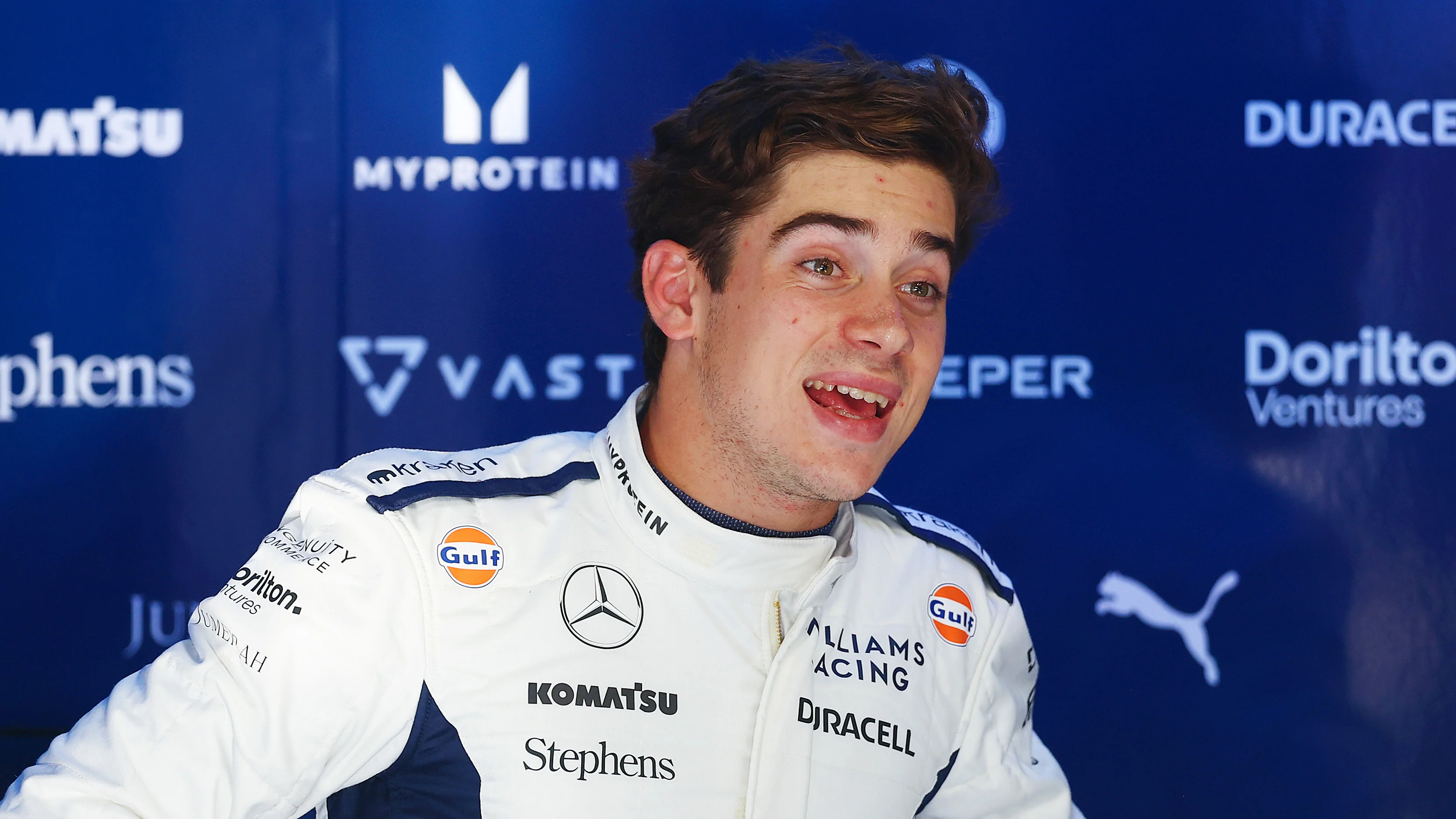
Two to three tenths is what a good upgrade is worth under these rules. That has to be enough against teams that already banked theirs.
Gasly has described the car's flaws precisely even while Alpine stays quiet on the fix: a rear that lets go on entry and under power, weak traction, understeer mid-corner. Briatore's answer remains structure and time, not a headline hire.
His number is two or three years. Zandvoort offers the first read on whether year one is tracking.