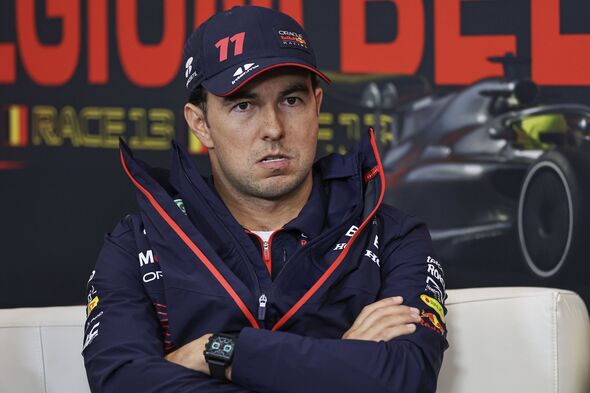
When Marcin Budkowski takes over Cadillac at the Dutch Grand Prix, the first thing he intends to audit is not something his own factory built.
Eleven rounds into Cadillac's debut season, Sergio Perez and Valtteri Bottas have no points between them, and Bottas' 13th place in China stands as the high mark. The team ended the first half as the slowest package on the grid. Budkowski, appointed after Graeme Lowdon's dismissal during the break, suspects some of the missing performance is sitting unused inside the customer Ferrari power unit.
"Obviously we're a customer of Ferrari. As per the regulations, we're getting the same hardware and the same engine," Budkowski told PlanetF1.com and other invited media. "But we've seen this year, probably not with Ferrari specifically, but more with a Mercedes engine, that there's a lot of performance to be unlocked as well in understanding the intricacies of the energy management mostly, and that's a performance differentiator."
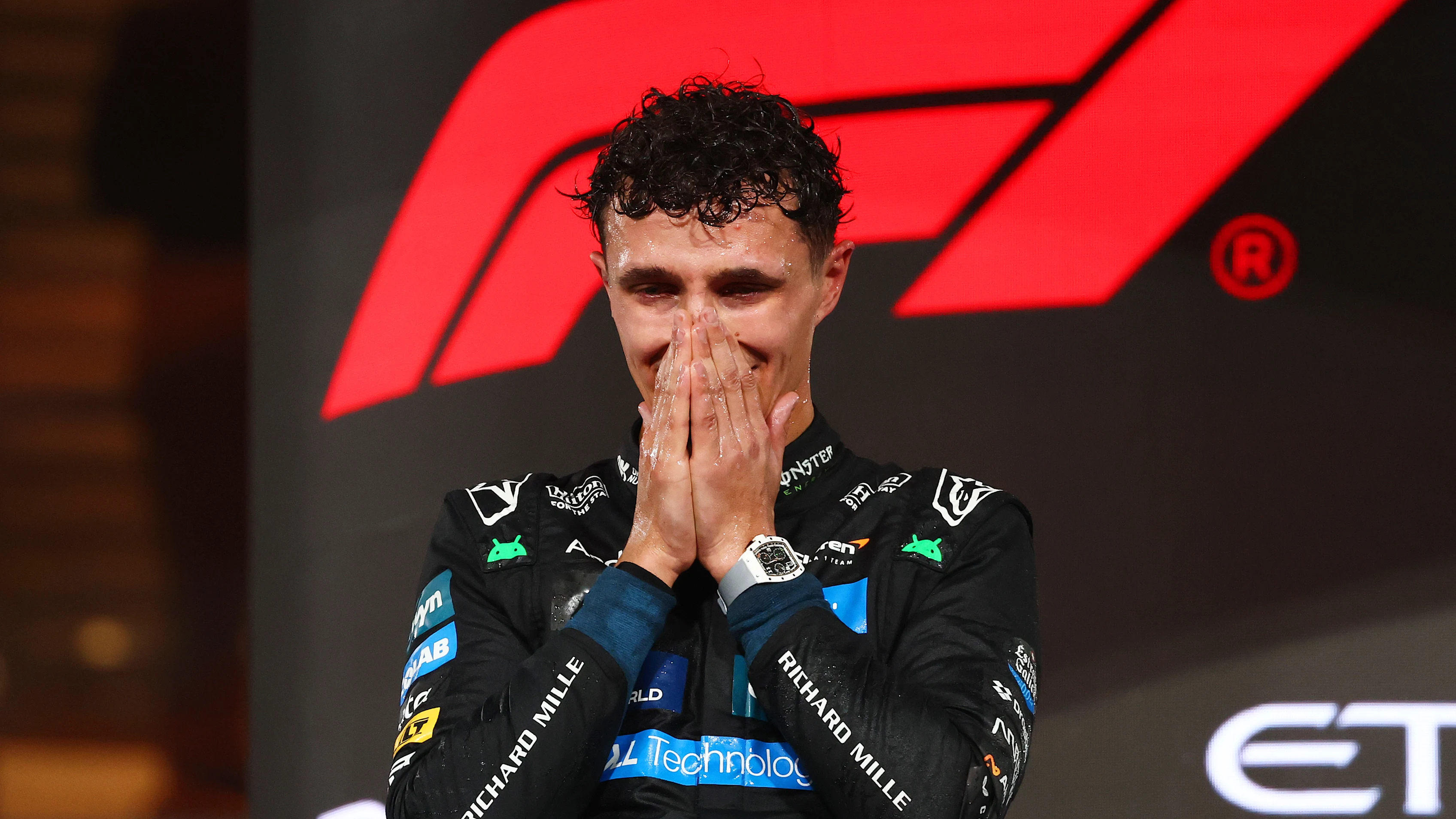
The precedent he keeps returning to is McLaren, which opened the year publicly frustrated at how little Mercedes HPP was sharing about the 2026 units, then won in Hungary regardless. Energy deployment has become its own competitive discipline in this rules era, and Budkowski is not assuming his team has cracked it.
"The engine is competitive. It will get even more competitive with the ADUO upgrades, but are we actually using it at its full potential," he said.
He is careful about where the responsibility lands. This is not, in his framing, Ferrari being obstructive.
"There's always going to be an element of the supplier will not necessarily share all the tricks of the trade for how to extract the maximum performance," Budkowski said. "That's a fair game, and that's on the team's side. It's no blame there for Ferrari or for anyone on the grid."

Ferrari itself has conceded the engine is its own weak point. "We know that we have to improve on the engine side. We will do it, even if the inertia on the engine is much higher than the chassis," Fred Vasseur said before the break, a warning that applies to Maranello's customers as much as to the works cars.
Budkowski also inherits a driver market problem. With reports linking Perez's camp to Williams for 2027, he made the case for keeping an experienced pairing in a first-year team.
"I think it's crucial in a young team like this to provide that experience and that stability," he said. "If you have a driver learning and the whole team learning at the same time, that's too many variables."
Chief executive Dan Towriss was less diplomatic about the speculation. "I'm very confident that Checo is going to remain with Cadillac, and we're not distracted by the Williams rumours for a second," Towriss told F1 Oversteer and select media.
Budkowski's route here is unusual: aerodynamics at Prost, six years at Ferrari, head of aerodynamics at McLaren, head of the FIA's F1 technical department, then executive director at Enstone through the Renault-to-Alpine years. Few people in the paddock have seen the sport from as many angles. Zandvoort is where he starts trying to convert that into a first point.