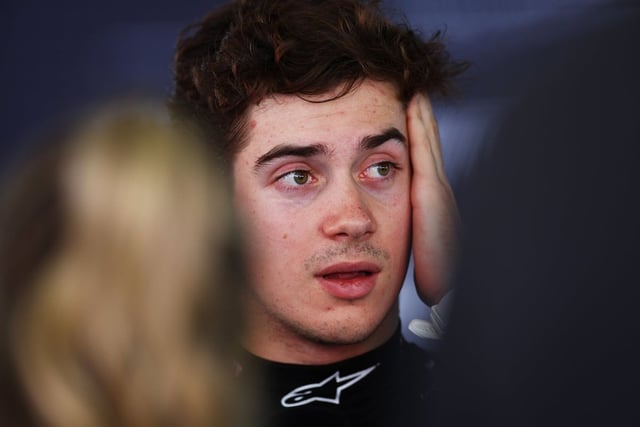
Alpine spent Tuesday in an unusual position: publicly defending the officials who had penalised Franco Colapinto twice in a single race, against criticism from the driver's own commercial backer.
The sequence started on lap one at Zandvoort. Colapinto was fighting Yuki Tsunoda through the final sector when Max Verstappen crashed at the last corner. Double waved yellows went out; Colapinto completed the pass. The stewards issued a drive-through and two penalty points. Arvid Lindblad collected the same for passing Pierre Gasly in the same moment, and later in the race Colapinto and Liam Lawson were both sanctioned again for failing to slow under a single waved yellow. Colapinto finished 14th.
The driver's complaint was specific and reasonable. He argued the flag arrived too late for him to react safely.
"I saw a very, very late yellow flag when I was finishing my overtake. And it was clearly much more dangerous to slam on the brakes and accelerate in the middle of the straight," he said.
His broader point was about discretion rather than error: "I feel that, even though the rules are written, they should be much more flexible. And they should have the criteria to also understand what's safer or a bit more unsafe."
Sean Summers, chief marketing officer at Mercado Libre - Colapinto's main personal sponsor - went considerably further on X.
"The stewards are killing the integrity of F1," Summers wrote. "This season they are proving to be horrible and impacting race results. Incompetence? Dishonesty? Both? Something is seriously broken in that organisation's culture."

Within a day the stewards were receiving abuse and threats online, and the FIA responded through its United Against Online Abuse coalition - a body it set up in 2023 after a steward was targeted following the United States Grand Prix.
"Following the Dutch Grand Prix, FIA stewards were targeted with online abuse after applying sporting penalties in line with FIA regulations," the statement read. "Disagreement with decisions is part of sport, but it must never justify threats or personal attacks."
The Associated Press noted the statement pointedly declined to name any specific incident or comment.
Alpine's own response, given to Crash.net, split the difference between its driver and the governing body without splitting it evenly.
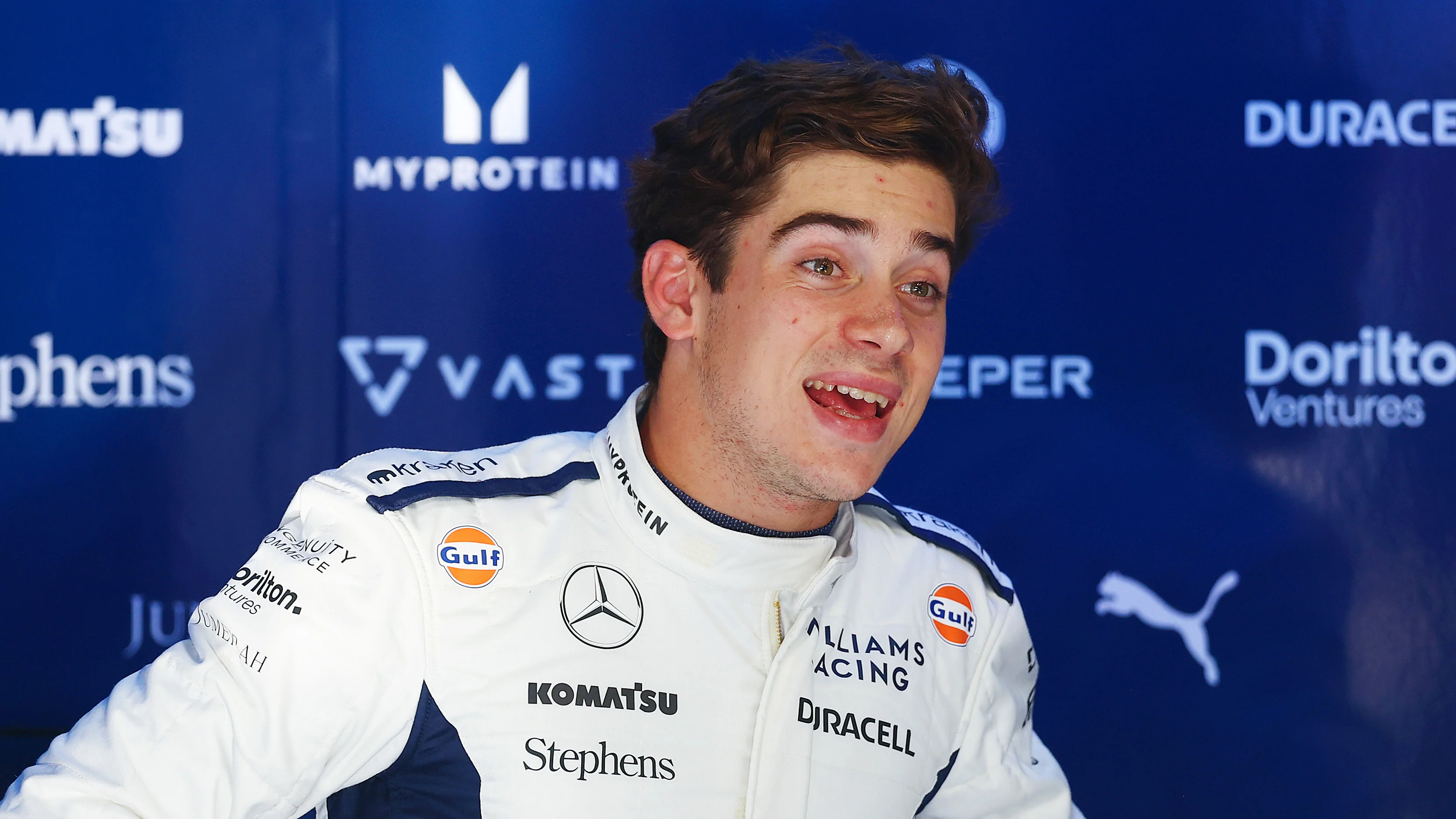
"We fully trust the FIA and the Stewards when it comes to the policing of these rules and the application of sporting penalties during a live race scenario," a team spokesperson said. "We believe the penalties applied for Yellow Flag Infringements during the opening laps of the Dutch Grand Prix were indeed harsh, but acknowledge they fit the punishment based on the letter of the law and were consistently applied across all competitors and is something we can review and learn from as a team."
Harsh, correct, consistent, and our problem to fix. It is about as complete a rejection of the sponsor's framing as a team can issue while still defending its driver's frustration.
Writing for PlanetF1, Thomas Maher raised a technical detail that complicates the unsighted defence: replays indicate the marshal flags may genuinely not have been visible to Colapinto at the point of the pass, but the yellow status would have appeared on his steering wheel display the instant it changed.
Maher also observed that the online reaction quickly stopped being about a lap-one overtake at all, escalating into accusations of xenophobia and racism directed at the FIA as an organisation.
None of that touches the actual sporting question, which remains open and worth arguing: whether yellow-flag infringements in chaotic, wet, first-lap conditions should carry the same fixed sanction as a clear-air offence. Colapinto put that case on the record. It got buried by the noise that followed.