
One argument travels with Formula 1 into Zandvoort this weekend, unresolved since Austria: what counts as slowing down for a yellow flag in qualifying, and who gets to make that call?
It began when Max Verstappen put his Red Bull into the barrier at Turn 9 of the Red Bull Ring during Q3. Marshals showed a single waved yellow. George Russell lifted, kept going, and took pole. Behind him, Andrea Kimi Antonelli thought he had seen double yellows and threw the lap away. At the Hungaroring a few weeks later the situation repeated almost exactly - except this time Antonelli lifted and continued, and collected a three-place grid drop for not lifting enough.
The FIA's reasoning was about procedure rather than performance. The Race reported a 22-second gap between the single yellow and the upgrade to double. Race control held back deliberately: the run-off was generous, nobody was attending the car, and there was still a chance Verstappen would rejoin. Deleting lap times unnecessarily was the outcome they wanted to avoid.
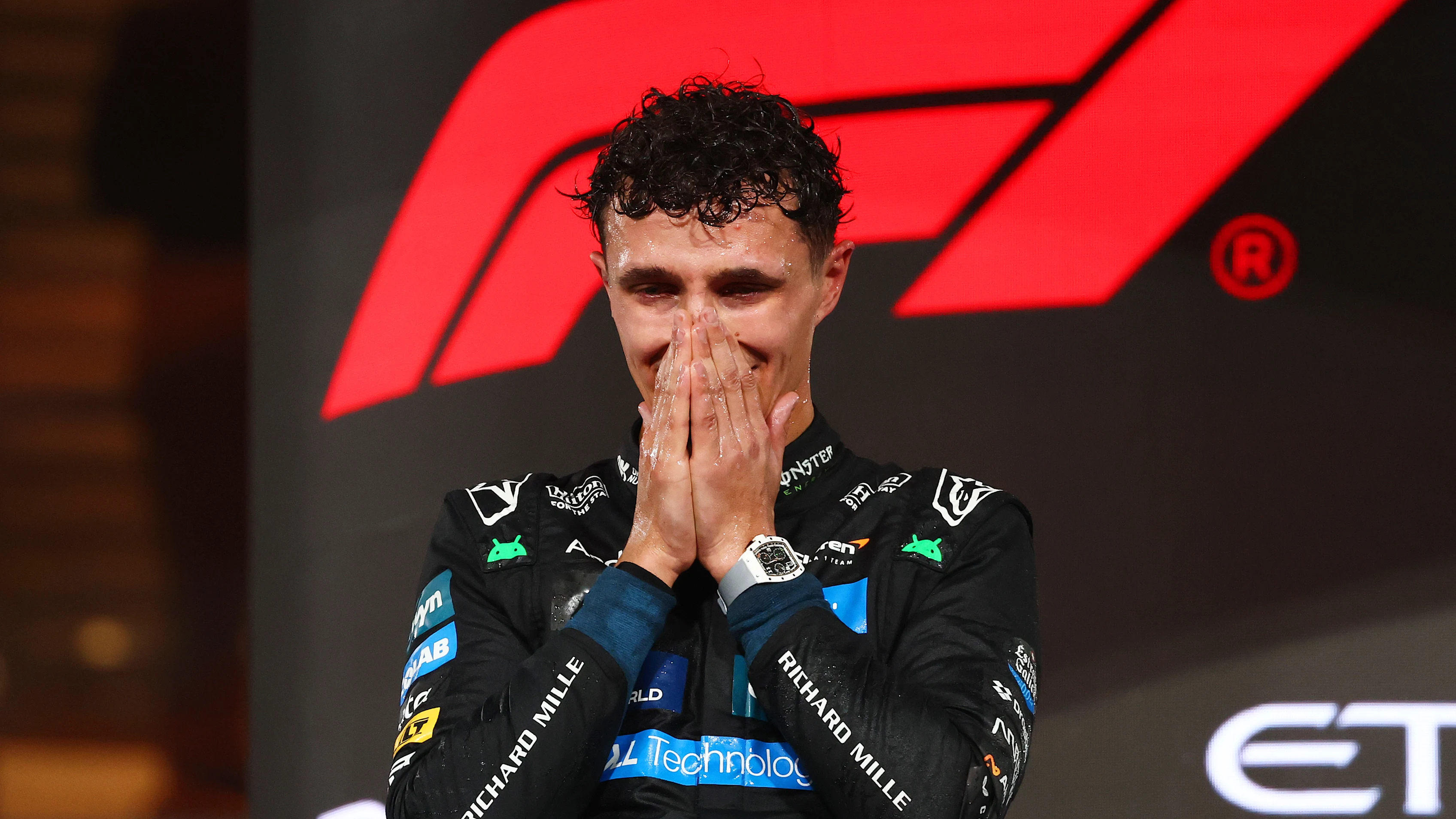
Fred Vasseur was not persuaded. "First, I'm a bit surprised that they didn't put double yellow," the Ferrari boss told Sky Germany. "When you deploy the medical car, you can imagine that you need to have the double yellow."
He was clear that Russell's driving was not the issue. "I trust them. If you are not able to trust the race control, it's a disaster," Vasseur said. "If they took the decision of no further action, it's because they checked. The point is for me that I don't understand why we don't have a double yellow in this case."
What worried him was what the rest of the grid learns from it. "I think the negative side of this is that next quali, if you have a crash, everybody will push," he said.
Andrea Stella reached the opposite conclusion. For the McLaren team principal, having two different flags that mean two different things is the system working.

"I think because there is an option to go for double yellow flag, it's useful to retain the distinction between what you are allowed to do on a single yellow flag," Stella said. "If there's a distinction between double and yellow, eventually the stewards will have, or the marshals will have retained, or the race director will have deemed that this only requires the single yellow flag, therefore this is left to the judgement of the driver. And if the driver pushes too much, it will be penalised."
He had watched the telemetry on Russell's lap. "For what I saw from the GPS overlays, I think Russell has done a good job of executing a lift," Stella said. "I can only see that the speed reduces before braking, losing a little bit of time through corner 9, at the same time losing little enough to actually be in pole position."
Verstappen only learned about the flag status well after climbing out of the car. Asked about a single yellow being shown after a shunt in one of the circuit's fastest sections, he said: "I only heard about that now. That's quite crazy."
The margins involved are tiny. PlanetF1 data analyst Uros Radovanovic put Russell's loss at roughly 0.08 seconds against his own previous lap. Antonelli, the one who got penalised, gave up about 0.6s. There is no number written into the regulations - the stewards judge each case as it comes.
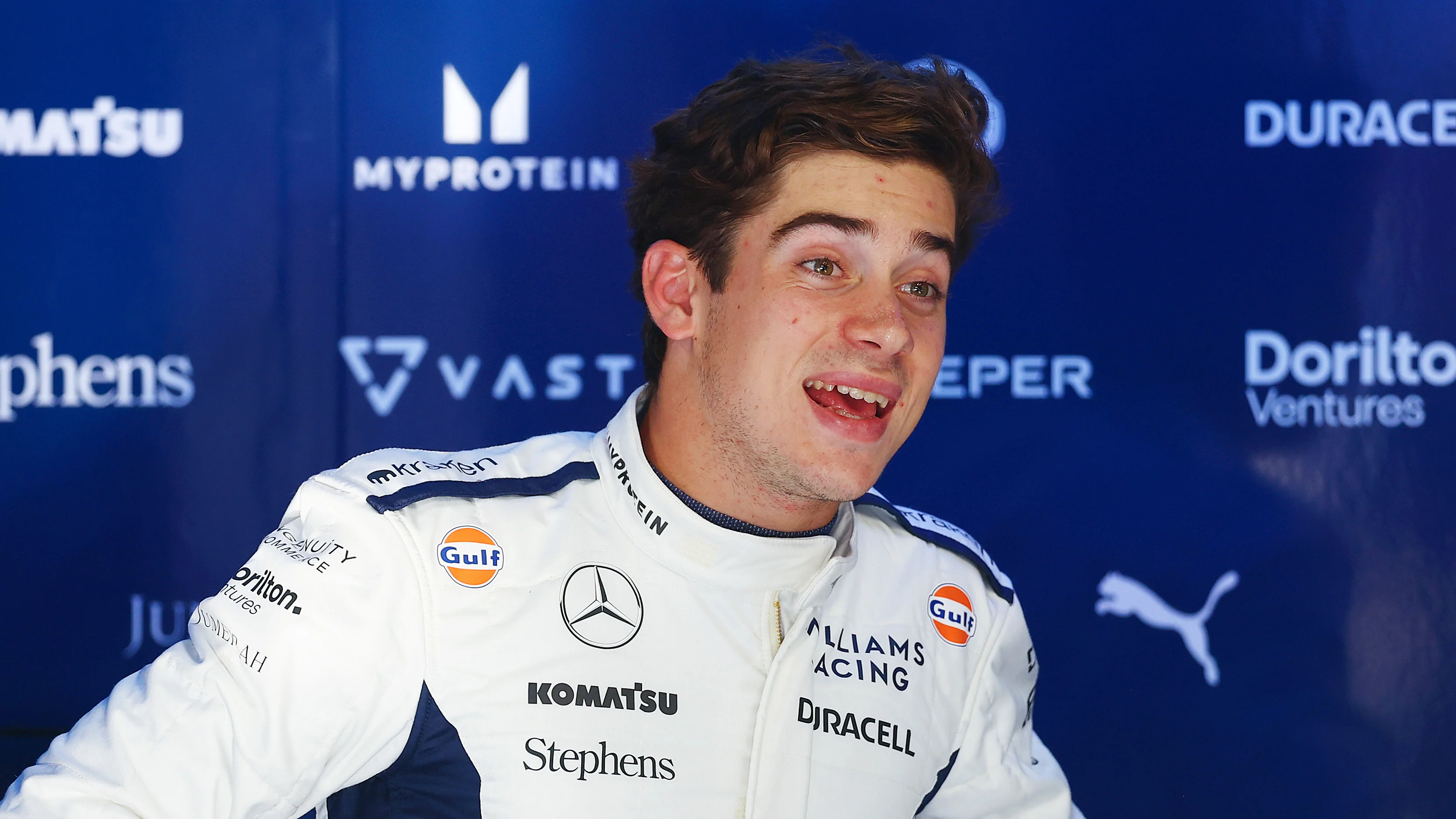
Mercedes have now been on both sides of that judgement. Deputy team boss Bradley Lord, speaking on the team's Nu Silver Arrows Radio Show, explained the Hungary call: "Around 15 metres earlier. He lifted and coasted into the corner, but the stewards ultimately judged that he hadn't lifted enough to satisfy the regulations. In Austria, he'd completely abandoned the lap."
Lord did not blame the officials. "You certainly don't envy Race Control or the stewards," he said. "Every incident is different. The circumstances are different, the corner speeds are different, the amount of run-off available is different and the context changes every time. Consistency is always difficult because no two incidents are exactly alike."
Simone Resta, the team's deputy technical director and a former Ferrari engineer, thought Antonelli was compared against the wrong yardstick. "The benchmark lap being used for comparison wasn't actually an ideal lap. In that particular sector, the reference wasn't representative of Kimi's true pace," Resta said. "Kimi pointed out afterwards that if you compared the sector to FP3, when the car was heavier on fuel and therefore naturally slower, he was still quicker despite lifting."
Anthony Davidson, chairing that conversation, said no consensus exists even among the people in the cars. "Having spoken to some of the drivers, I think it was George who mentioned after Austria that there still isn't complete agreement within the paddock about how yellow flags should be handled during qualifying," he said. "Some drivers believe that whenever a car is stopped on track, it should automatically be a double yellow. That way, everybody knows exactly where they stand. Others argue that's unfair if the incident is nowhere near their part of the circuit and it results in a lap being compromised unnecessarily."
RaceFans asked its readers the same question over the break. Keith Collantine wrote that both incidents "smacked of one of the most unappealing traits of modern F1: the regulations being interpreted in a way which puts the precious 'show' above all other considerations, potentially even safety", and backed extending the automatic deletion rule from doubles to singles. Early voting ran 66% strongly in agreement, with 18% opposed to some degree.
The rulebook is unchanged. Zandvoort, with its blind crests, banking and considerably less asphalt run-off than Spielberg, is where it gets tested next.