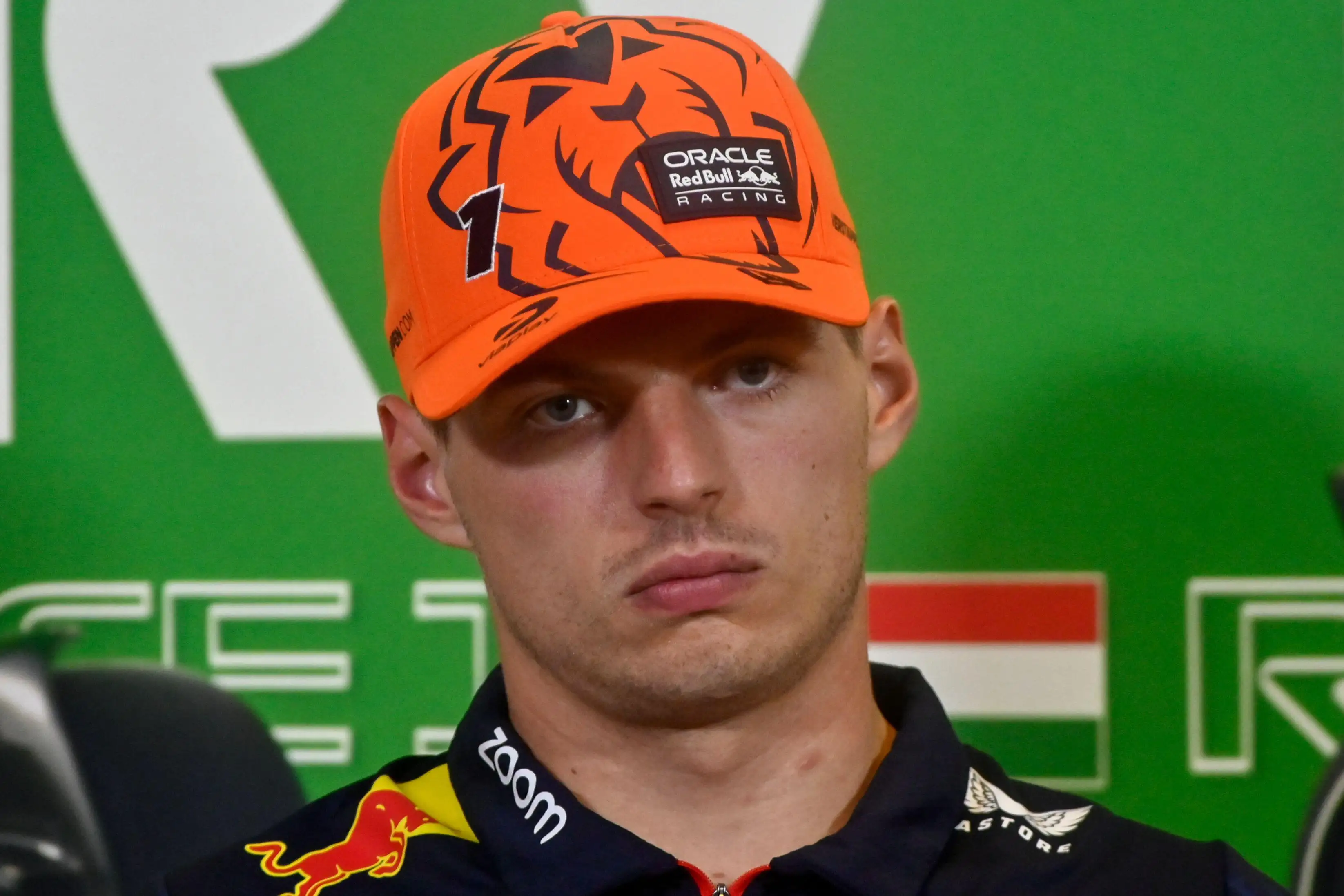
For a team sitting top of the constructors' standings, it was a candid thing to admit: McLaren now believes its Mercedes engine deal is holding it back. Andrea Stella said as much after Monaco, and in doing so revived the question of whether McLaren should ultimately build its own power unit.
"Never before we felt that being a customer team has put us on the back foot," Stella said — a remarkable statement from a team that lifted consecutive titles using Mercedes engines. His point was structural rather than personal: a customer gets fewer chances to integrate the unit and reacts more slowly to reliability or performance problems than a manufacturer running its own programme. He was quick to add a caveat. "I just want to be totally fair to our power unit supplier, with whom we've had a fantastic relationship, very successful," Stella said.
CEO Zak Brown was far more measured about any in-house project. He pointed out McLaren has no say in how engine rules are even drawn up. "Well, we're not a manufacturer. So, we actually don't have a seat at that table as far as the power unit group is concerned," Brown said. Building an engine, he suggested, is something McLaren keeps under review rather than pursues: "Anytime a new regulation comes out, we'll take a look and see if it's something technically that's interesting. Is it something fiscally that makes sense?" His current stance is loyalty: "I'm very happy with HPP. They've been a great partner. We've won a couple of championships with them... I think priority one is to stay with Mercedes."
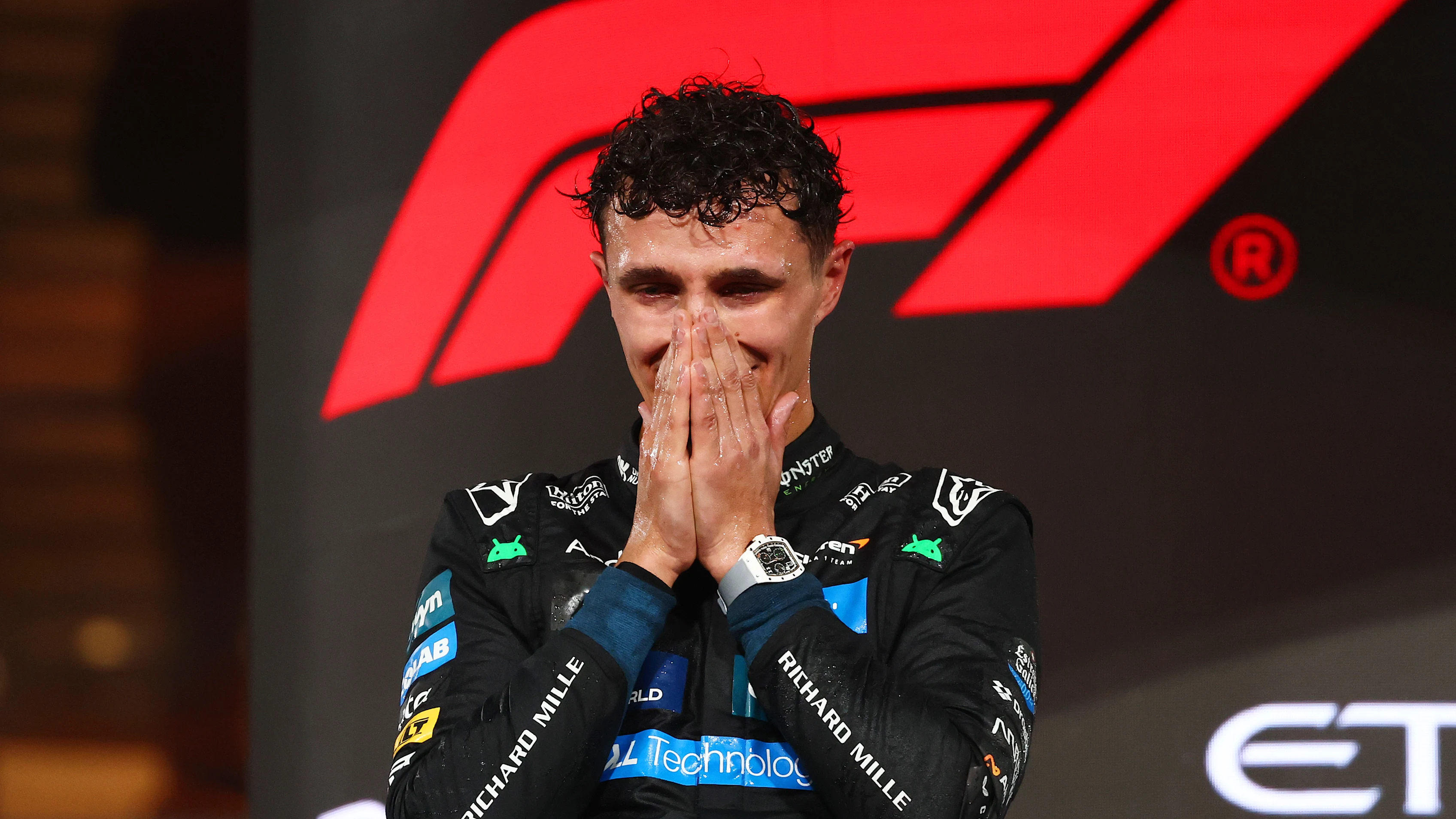
Mercedes has fielded these grumbles before. Replying to Stella earlier in the year, Toto Wolff said the early phase of a rules cycle makes universal satisfaction impossible. "You can never deploy things to make everybody happy," Wolff said. "But I think most important is we're trying to provide a good service."
That split — Stella naming a handicap, Brown preaching patience — captures the dilemma facing every independent customer under the 2026 regulations. The longer-term picture is no simpler. Rule-makers want the post-2030 formula to make independent engine projects more accessible, which could eventually open a route for McLaren. Against it sit the eye-watering cost, the risk of building something uncompetitive, and a history lesson from the 1960s, when McLaren's own engine effort made plenty of noise but won little.
Closer to home, friction over technical information and Mercedes' broader commercial moves on the grid have at least pushed the idea onto McLaren's radar. For now, Brown's verdict is clear enough: keep looking each time the rules change, but stay with the engine that is currently winning championships.