The Dutch Grand Prix has given Formula 1 an unusual kind of departure. Zandvoort did not fade away through falling attendance. It stopped after six consecutive sellouts, with its organiser turning down ways to remain on the calendar.
Formula 1 offered both a yearly continuation and the possibility of sharing a slot in rotation. Dutch GP director Robert van Overdijk said the final decision came from his organisation.
"There were various options on the table to continue," Van Overdijk told NOS. "We could rotate with other circuits, there were also possibilities to continue annually."
Why refuse? Unlike several grands prix backed by national or regional governments, Zandvoort's event was privately financed. The promoter carried the downside if costs rose, ticket demand softened or Max Verstappen's future changed the size of the home audience. Popularity had filled the venue, but it had not removed that exposure.
Van Overdijk described the choice as a balance between opportunity, risk and responsibility. The organisation wanted to control its ending: "We have decided to go out on a high with two more incredible Dutch Grands Prix in 2025 and 2026."
F1 president Stefano Domenicali offered a different emphasis during the last weekend. Rather than dwell on why a full event could not secure its future, he focused on what Zandvoort established after returning in 2021.
"Thank you Zandvoort, thank you to the Dutch fans for the energy they brought to the ecosystem of Formula 1," Domenicali said. He noted that the promoter launched amid the disruption of Covid and still created a benchmark atmosphere. "We are leaving this weekend not with the sadness of losing Zandvoort, but a positive at having done something unique, that will stay in the books of Formula 1."

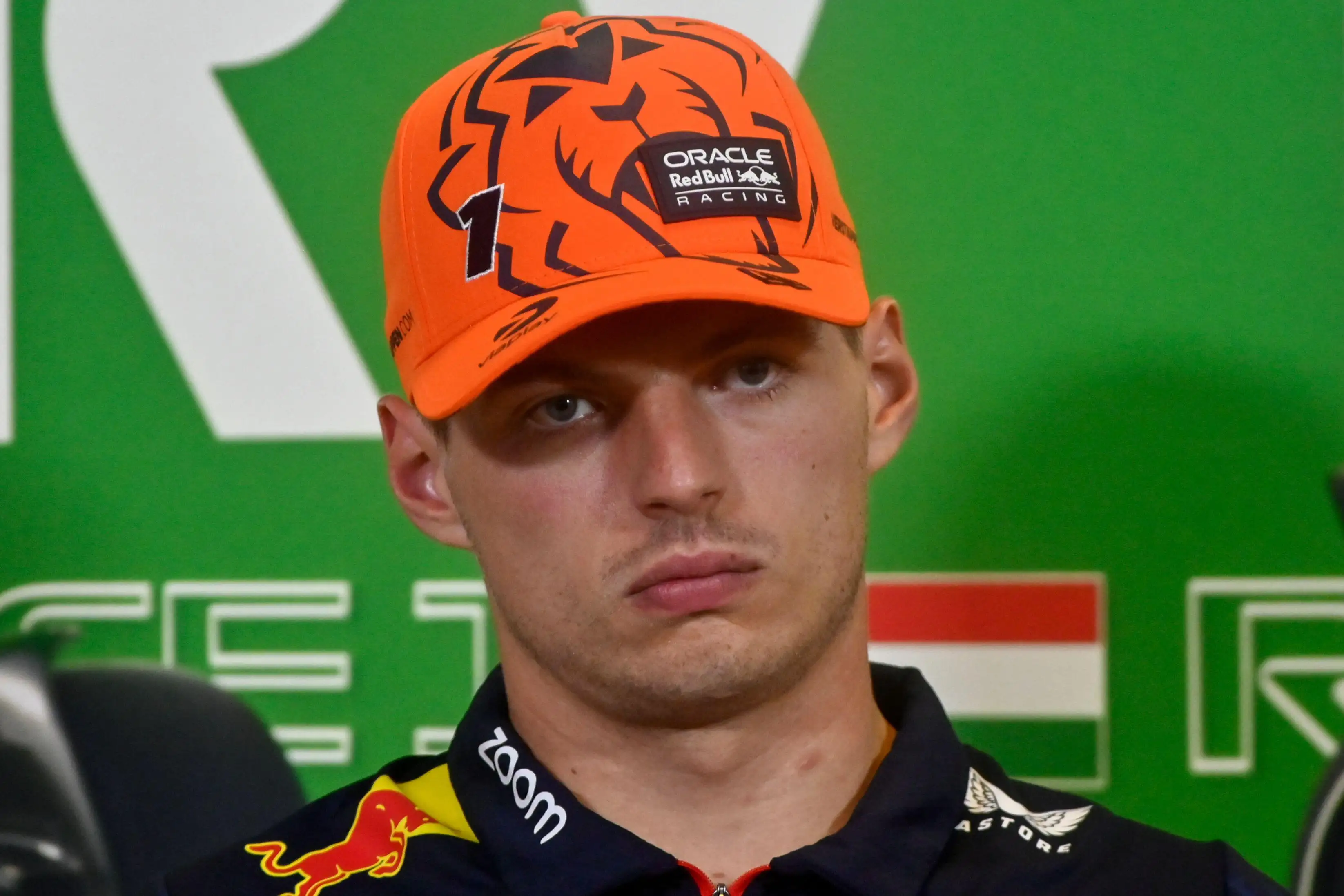
For Max Verstappen, the ending was harder to package. His success had made the revival possible, and he won the first three races of the new era. At the final edition, a wet patch at the banked last corner sent his Red Bull into the barrier on lap one.
His farewell came afterward: "Zandvoort. I'm incredibly proud of what we've had here. What once seemed impossible became something really special. It means a lot that I got to be part of it. I'll always remember this. Thank you."
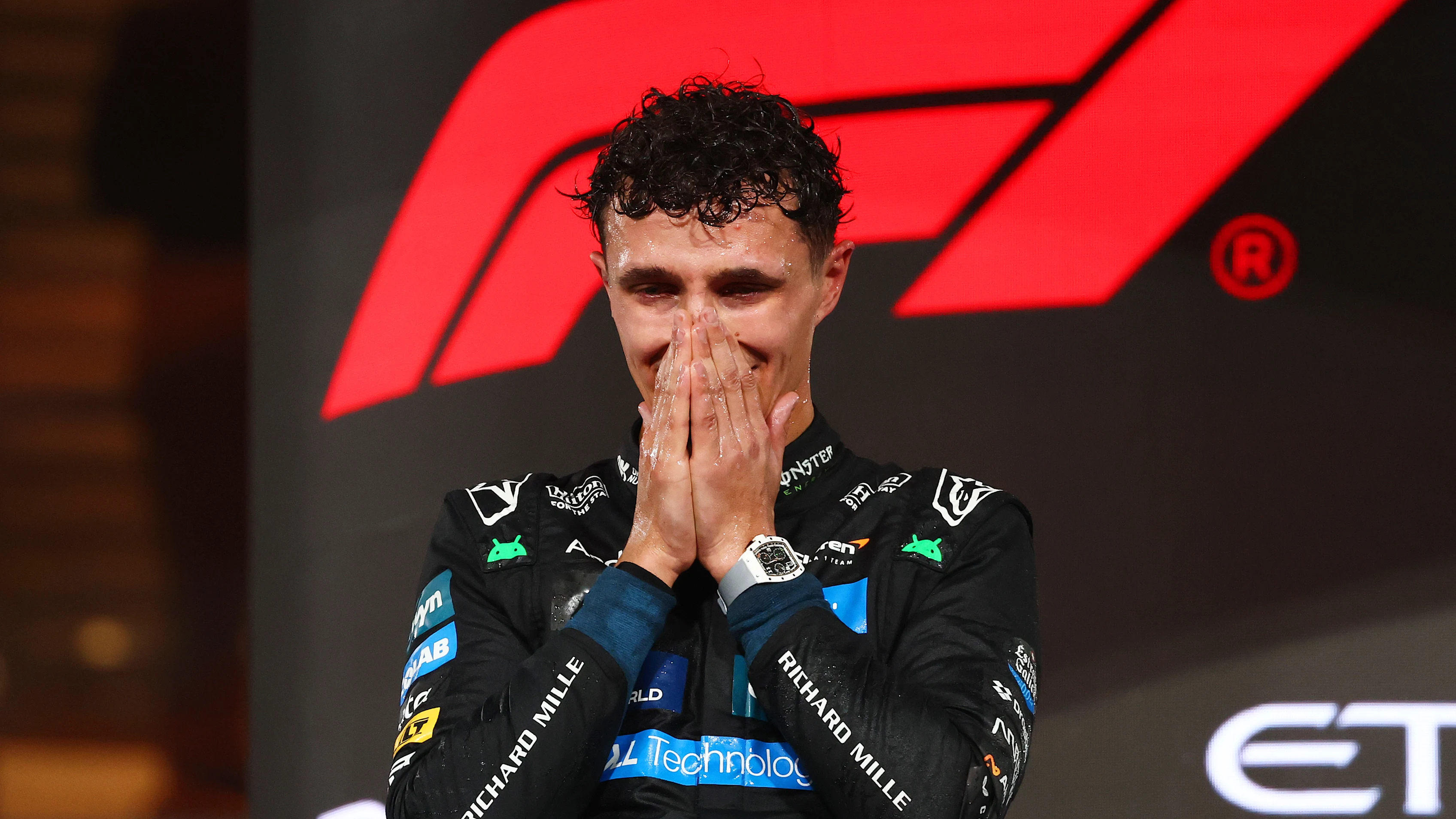
Lando Norris supplied the sporting finish. He lost the lead to Kimi Antonelli at the start, took it back with a committed braking move and won by 11.5 seconds. Norris had promised to "put on a bit of a show for everyone for the final race here" and later judged it "probably one of my better wins."
Each voice describes a different Zandvoort. To the promoter, it was a successful business with too much long-term risk. To Domenicali, it became a template for crowd energy. To Verstappen, it was the home race that grew alongside his career. To Norris, it was a demanding final contest worth winning.
Their common ground is the uncomfortable part. Selling every ticket was not sufficient protection for a privately funded grand prix. Zandvoort exited at capacity, and Formula 1 now loses one of the rare European events that chose its own finishing date.