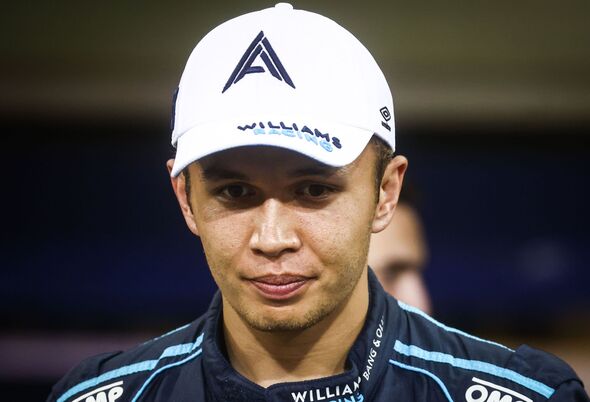
Alex Albon has always been his own harshest critic. That reputation has, this season, become a problem.
After another Q1 exit at Suzuka, with Williams' FW47 again out of the top ten, Albon's race engineer reached for the gentlest version of an industry-standard question: what did you feel in the car? The reply, unedited and short, has circulated in paddock group chats ever since.
"You probably don't want to know," Albon said over the radio. "But you can probably guess. Yes, I probably — something that there's something wrong, but I'm sure it's my driving still."
Williams insiders, and the car's own data, know the problem is not really Albon. The FW47 has a confirmed aerodynamic quirk — analysts at The Race have described it as a three-wheeling behaviour — that disproportionately punishes drivers over a single flying lap. That is what a qualifying shootout is. A driver doing everything right on a car that is unloading a wheel mid-corner will never look fast on a stopwatch.
Albon knows this. He has said as much before, with a little more distance. "Well, definitely Japan will still be a struggle for us," he told reporters earlier in the weekend. "It's a weight-sensitive track and it's a downforce-sensitive track. So exactly like here, we will be ninth car like we've been this weekend. Then I'm hoping Miami is the start of the recovery where we've got a proper package to bring."
The contrast between the press-pen Albon and the team-radio Albon is the point. In public he will admit the car has flaws. On the radio, in the first seconds after a session, he will not. That kind of loyalty has defined Albon's tenure at Williams, and it is part of why Team Principal James Vowles continues to build the team around him.
Vowles acknowledged the cost of that loyalty in a rare personal note appended to the team's post-race communication. "A thank you to all of the team that have worked tirelessly these last few months, to Alex and Carlos who have delivered absolutely everything they can on track," the team said.
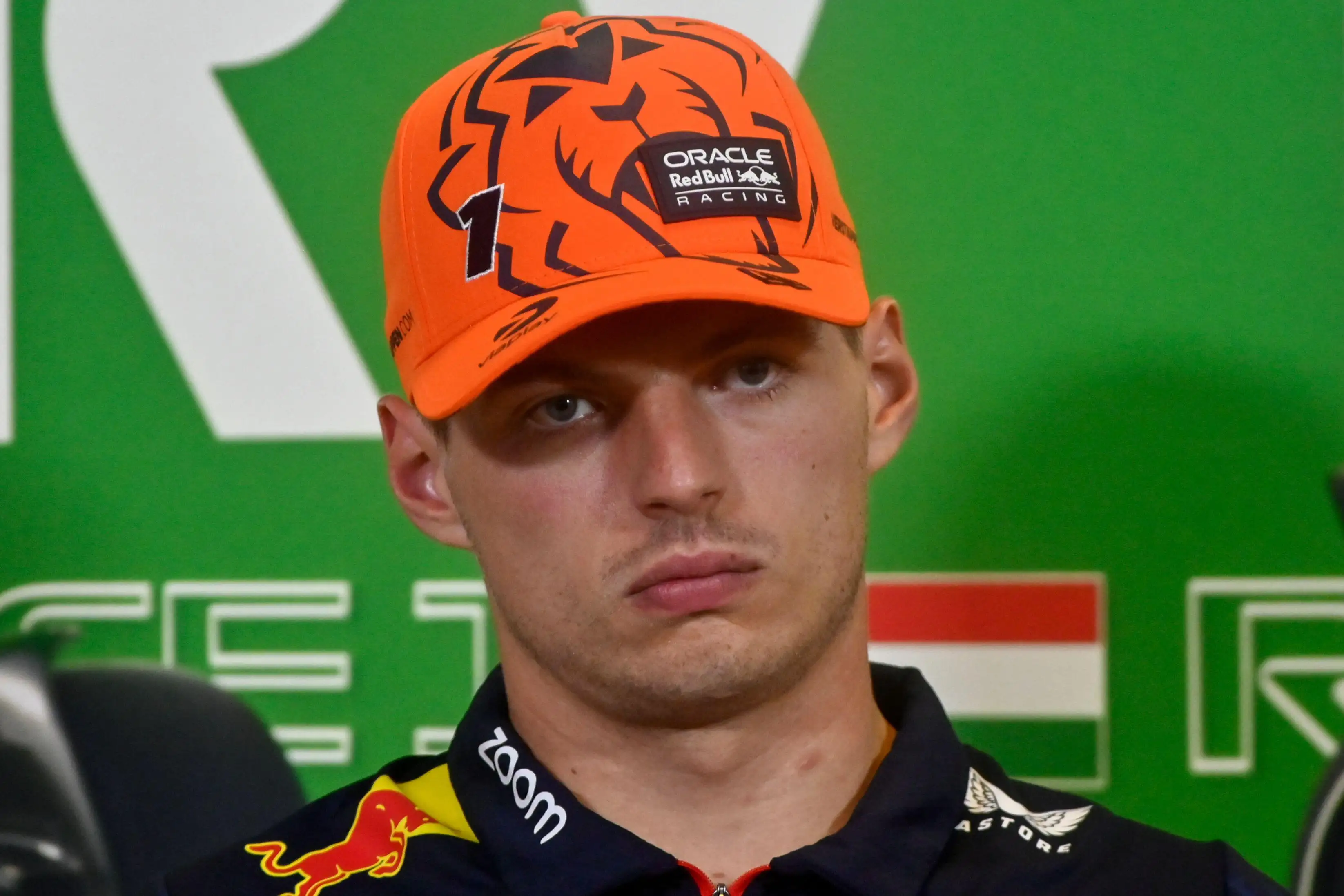
"Everything they can" is a sentence with two edges. Albon and new team-mate Carlos Sainz have delivered the maximum the car can give. That maximum is nowhere near where either driver wants to be, or where Vowles has promised sponsors they will return to. With five weeks between the Japanese and Miami Grands Prix, the team principal has asked his engineers to rewrite the timetable.
"We've got five weeks now in front of us and we need to make sure we maximize every single hour of every single day to catch back up to that midfield position," Vowles said. "There's a tremendous amount to do."
For Albon, the bigger test may be mental. Drivers who repeatedly tell their engineers that a poor lap is their own fault can start to believe it. Williams' best defence against that is the same as every top team's best defence against it: a faster car. Until Miami, Albon will keep saying it was probably his driving. He and everyone who watches carefully know it probably was not.