Aston Martin's grim 2026 has acquired a new and very specific villain: a gearbox that, according to Fernando Alonso, simply could not be driven through the Miami Grand Prix and now sits at the top of the team's fix list before the Canadian Grand Prix.
Aston Martin entered the weekend as the slowest car on the grid and left it without much evidence to dispute the label. Lance Stroll's diagnosis of the AMR26 was about as blunt as it gets in modern F1 PR.
"We have no downforce. We have no power," Stroll said. "So those are the things we need to work on."
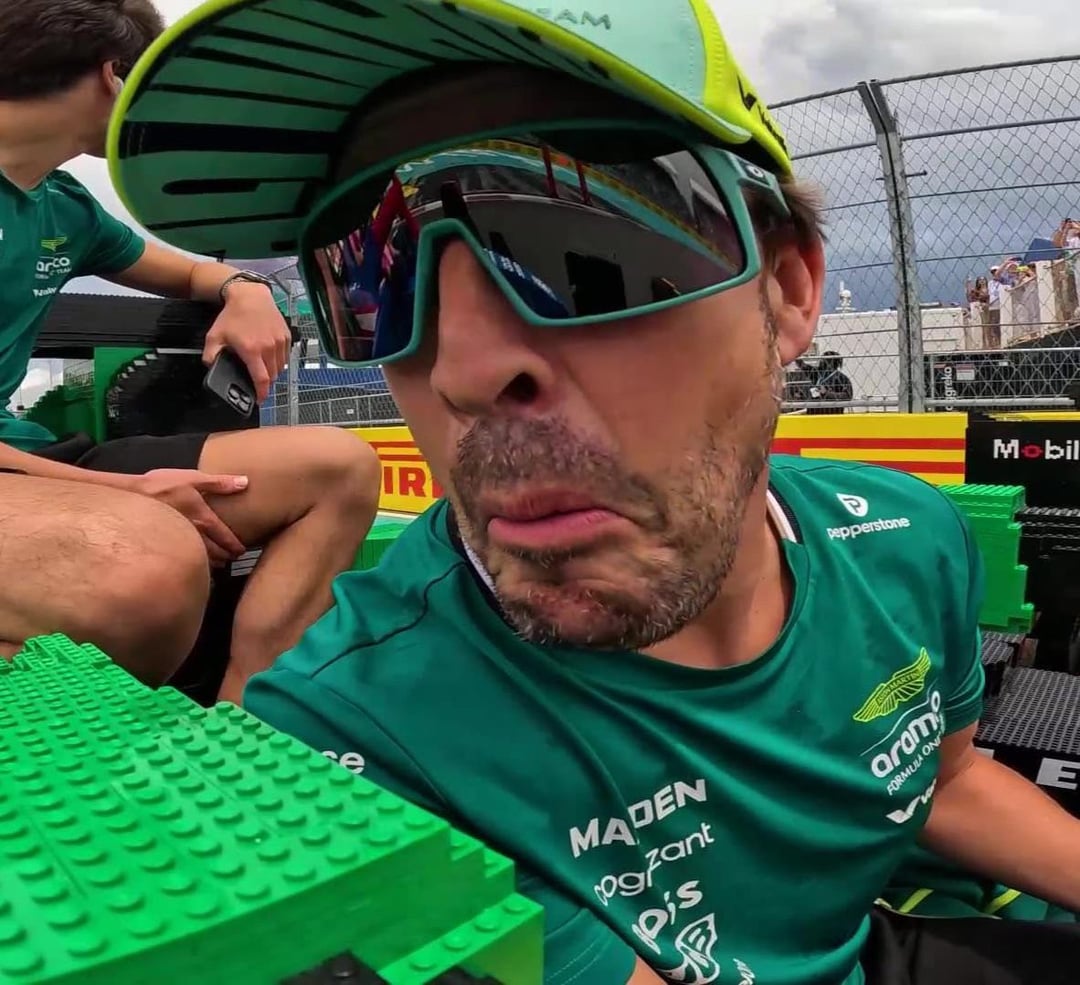
Alonso's complaint was more pointed because it concerned a single component behaving so erratically that it undermined every other part of the car. The gearbox, the two-time champion said, refused to deliver the same response twice.
"The biggest problem for me was the gearbox. It was impossible to drive," Alonso said.
What followed was a list of intermittent failures that read like a software-bug ticket rather than a mechanical fault. "I lost sync in every braking point, I had no acceleration out of corners," Alonso explained. "Sometimes I had push, sometimes I had rear locking. That was a bad surprise."
Given the cost of those symptoms — incoherent braking stability, unpredictable corner exits, and a constantly changing rear axle — the issue has now leapfrogged Aston Martin's aerodynamic queue.

"That's the fix number one for Canada," Alonso said. "With all these heavy brakings in Canada, we need to improve the gearbox behaviour."
There is at least one piece of better news. The mysterious vibration issue that had been plaguing the team early in the year, believed to be tied to the Honda power unit installation, is now considered solved. Asked if the vibrations were finally gone, Alonso was unequivocal.
"Gone," he said. "I would say gone."
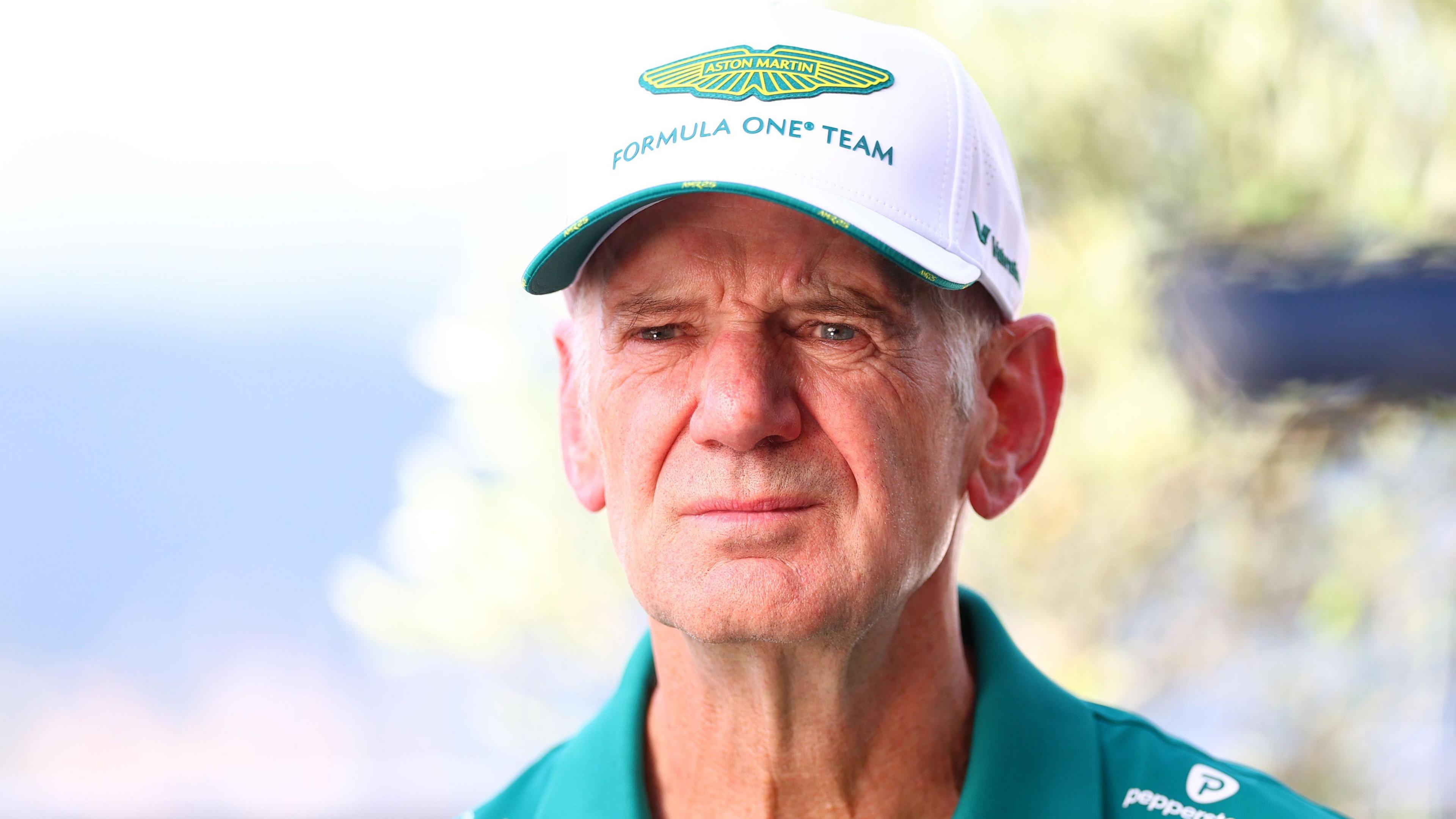
For the rest of Aston Martin's 2026 challenge, however, the gearbox saga is a reminder that the team is still working through the largest organisational reset of any outfit on the grid. Adrian Newey's first full Aston Martin season is underway, and chief trackside officer Mike Krack was honest about where the early returns leave them.
"We are still talking about modest results," Krack admitted.
That is also why Alonso has effectively given up on chasing aerodynamic upgrades that he cannot exploit on track. The car is too far off the front to reward incremental gains.
"There is not really any point to bring two tenths, three tenths, four tenths into the race track because you cannot capitalise [on] that in terms of results," he said.
The Canada brief is therefore narrow but unambiguous. Stabilise the gearbox software, give Alonso and Stroll a car that responds the same way at every braking point, and worry about absolute pace later in the year. With Montreal's heavy braking phases already on the horizon, the cost of getting the priority list wrong has rarely been more visible.