The Miami Grand Prix arrived with the FIA's emergency tweaks to the 2026 power-unit rules already locked in, and the early reviews have been positive. The most influential of those reviews has now landed: Martin Brundle, the Sky Sports analyst whose post-race verdicts are watched as a barometer for paddock sentiment, says the changes are working.
Brundle's central observation was that the regulatory finessing was visible in the way the cars actually behaved on track, rather than buried in lap-time data.
"The technical rule finessing was clearly in the right direction," he said. "Drivers seemed much happier generally, and the cars looked fast and alive."
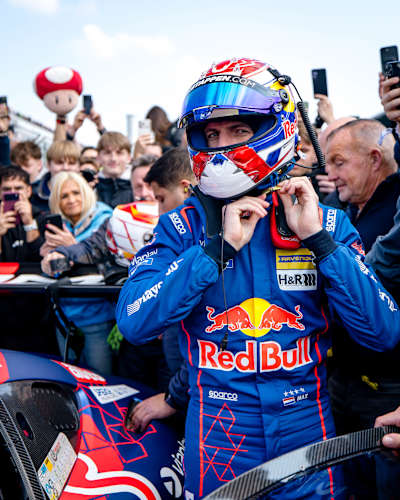
The weekend's stand-out moment, in Brundle's view, was not the Antonelli win that has now become the season's running headline but a piece of pure driver craft from Max Verstappen on the opening lap. Verstappen looped his Red Bull through 360 degrees at Turn 1, gathered it up while sliding sideways across a packed track, and somehow rejoined without contact.
"I can't tell you how hard that is in these plus-sized F1 cars full of fuel," Brundle said, before crediting the four-time champion with "genius in the recovery" through his throttle, brake and steering inputs.
Verstappen himself, asked about Red Bull's wider Miami performance, was guarded but optimistic. "I think we've halved the deficit," the Dutchman said, before adding that the team can finally "see light at the end of the tunnel."
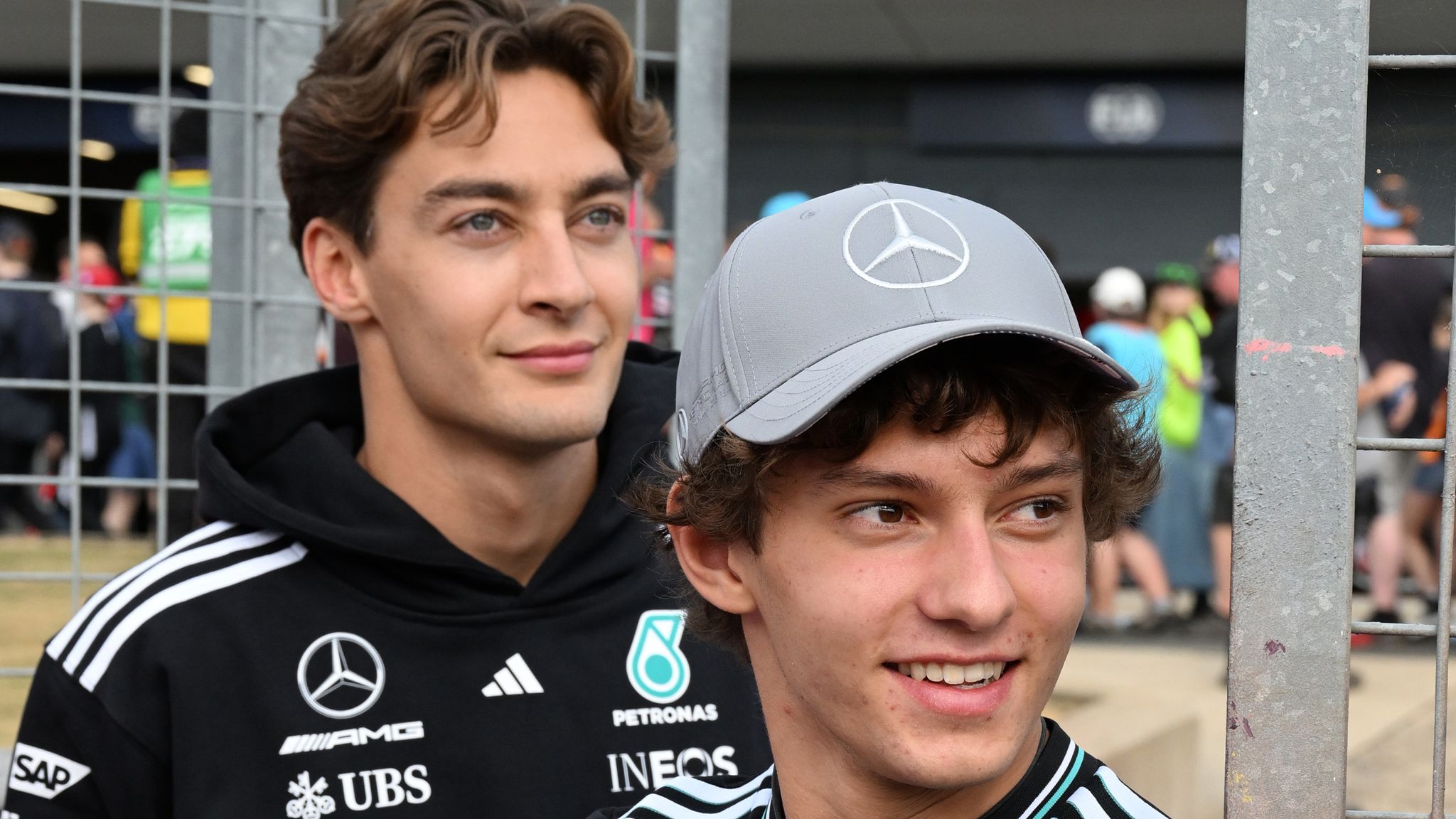
Brundle's verdict on the winner was equally clear-eyed. He had predicted Antonelli would simply "check out" once the Mercedes rookie cleared the lead pack, and the strategic undercut formalised it. The Sky pundit called it a "very well-earned victory" that delivered "a very timely, great show with a big audience."

The one caveat Brundle offered was around how the energy-deployment battles look on television, where leaders can suddenly lose ground at the end of straights without an obvious reason for fans at home.
"I rather like the wheel-to-wheel action and skill involved in carrying speed better than your rivals," Brundle said, while acknowledging that "the relatively easily steaming back past" still "needs more understanding."
For F1's commercial leadership, Brundle's overall framing is the strongest endorsement so far that the 2026 rules can be fixed in flight rather than scrapped. Canada is next on the calendar, with its long straights and brutal heavy braking, and it will be the toughest examination yet of whether the Miami tweaks have actually solved the underlying clipping problem or merely papered over it for a glamour weekend.