Cadillac's first in-house Formula 1 engine is running, and it is running early. The brand's 2029 power unit is on the dynos at GM Performance Power Units in Concord, North Carolina, ahead of the original development timeline that GM signed off when its F1 entry was approved.
The first public confirmation came from Dan Towriss, the CEO of TWG Motorsports — Cadillac's F1 entry vehicle. "The project's ahead of schedule, actually. As of right now, we're slated to bring the Cadillac PU online and to compete in 2029," Towriss said.
The timing is more than a press release. Cadillac began its 2026 F1 campaign on customer Ferrari power units, an arrangement that runs through to the end of 2028. The whole political case for the entry, made by GM and the FIA against significant opposition from incumbent manufacturers, hung on the promise that Cadillac would eventually run American hardware on Sundays. Towriss's update is the first concrete signal that the back-end of that promise is still on track.
The engine is being built inside a brand-new facility commissioned in 2025 in Concord — geographically and culturally NASCAR country, but now home to GM's most ambitious motorsport project of the modern era. The division was set up specifically to design, build and run the in-house power-unit family, with the FIA having approved General Motors as a 2029 F1 engine supplier in 2024. Russ O'Blenes, a 30-year GM veteran, leads the technical effort on the ground.
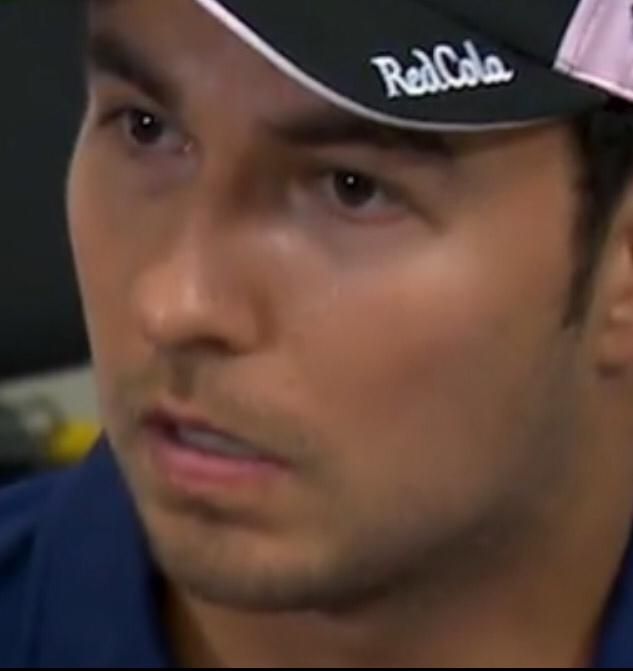
The current race team is feeling its way into life on the grid. Cadillac's Miami Grand Prix — its first F1 home race — saw both cars finish, but team principal Graeme Lowdon admitted the result fell short of expectations, with Sergio Perez's race compromised by tire-management problems that the team blamed on its rookie operating window rather than the customer Ferrari V6 hybrid hardware.
The North Carolina engine project is not going to fix those Sunday-night frustrations any time soon. What it does is keep the wider Cadillac project credible to GM's board. Building a Formula 1 engine from a clean sheet is one of the most complex industrial undertakings in motorsport. Every PU on the 2026 grid is the result of multi-year development cycles drawing on tens of millions of euros and sometimes hundreds of engineers. To do that in parallel with running a brand-new race team, while still using a competitor's hardware on Sundays, is unprecedented in the modern hybrid era.
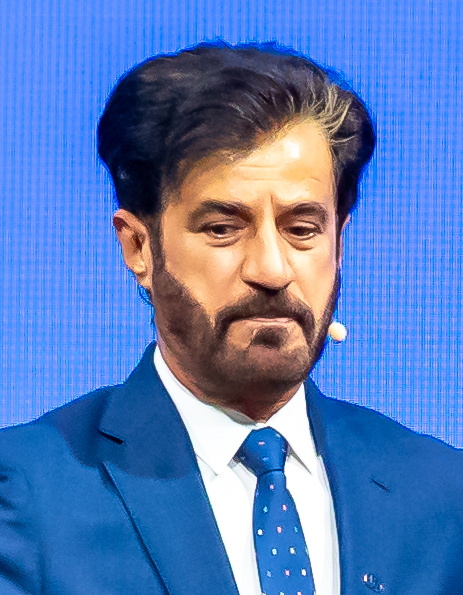
The "ahead of schedule" framing also positions Cadillac well for a regulatory pivot that is increasingly likely. FIA president Mohammed Ben Sulayem this week openly declared his preference for a return to V8-led power units in 2030. If those rules shake out alongside Cadillac's first in-house PU, the Concord shop could find itself among the first to a new generation of F1 engineering, rather than catching up with the old one.
For Sergio Perez, who returned to the grid this season as the public face of the program, the calendar reads as a runway rather than a deadline. Cadillac's customer Ferrari engine has to deliver enough competitive results between now and 2029 to justify the marketing spend; once the in-house unit arrives, the program switches from import to export, and the Concord shop becomes a strategic asset that Liberty Media's American expansion has long advertised but never actually owned.