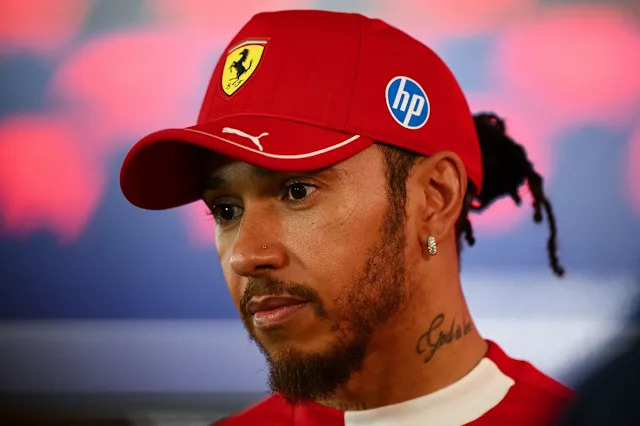
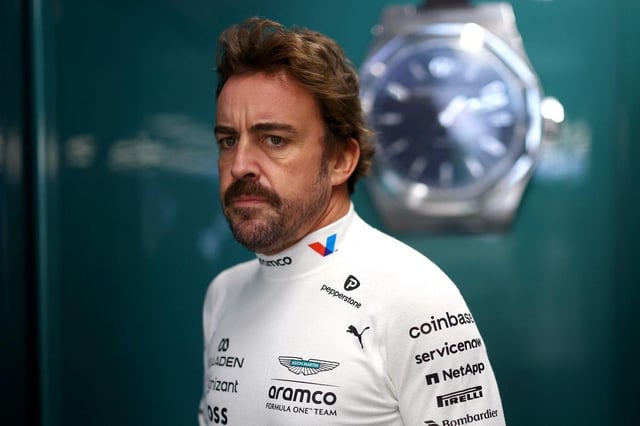
F1 Drive understands that damon Hill has delivered an unusually candid read on where Lewis Hamilton sits in Formula 1 in 2026, arguing that the seven-time world champion has now privately accepted what the statistics have been signalling for some time: the peak years are behind him.
Speaking on the Stay On Track podcast alongside fellow former grand prix driver Johnny Herbert, Hill focused less on Hamilton's raw numbers – a Chinese GP podium has at least ended one of his longer droughts – and more on the driver's psychological adjustment to a career that can no longer rely on the instincts that defined his first decade at the top.
Hill's view, paraphrased by those who heard the episode, is that Hamilton is no longer racing the way a 24-year-old races. The instinctive car-on-the-edge reflexes of his McLaren and early Mercedes years have been replaced by a more considered, adaptive style that he believes is the only way to remain competitive into your forties in Formula 1.
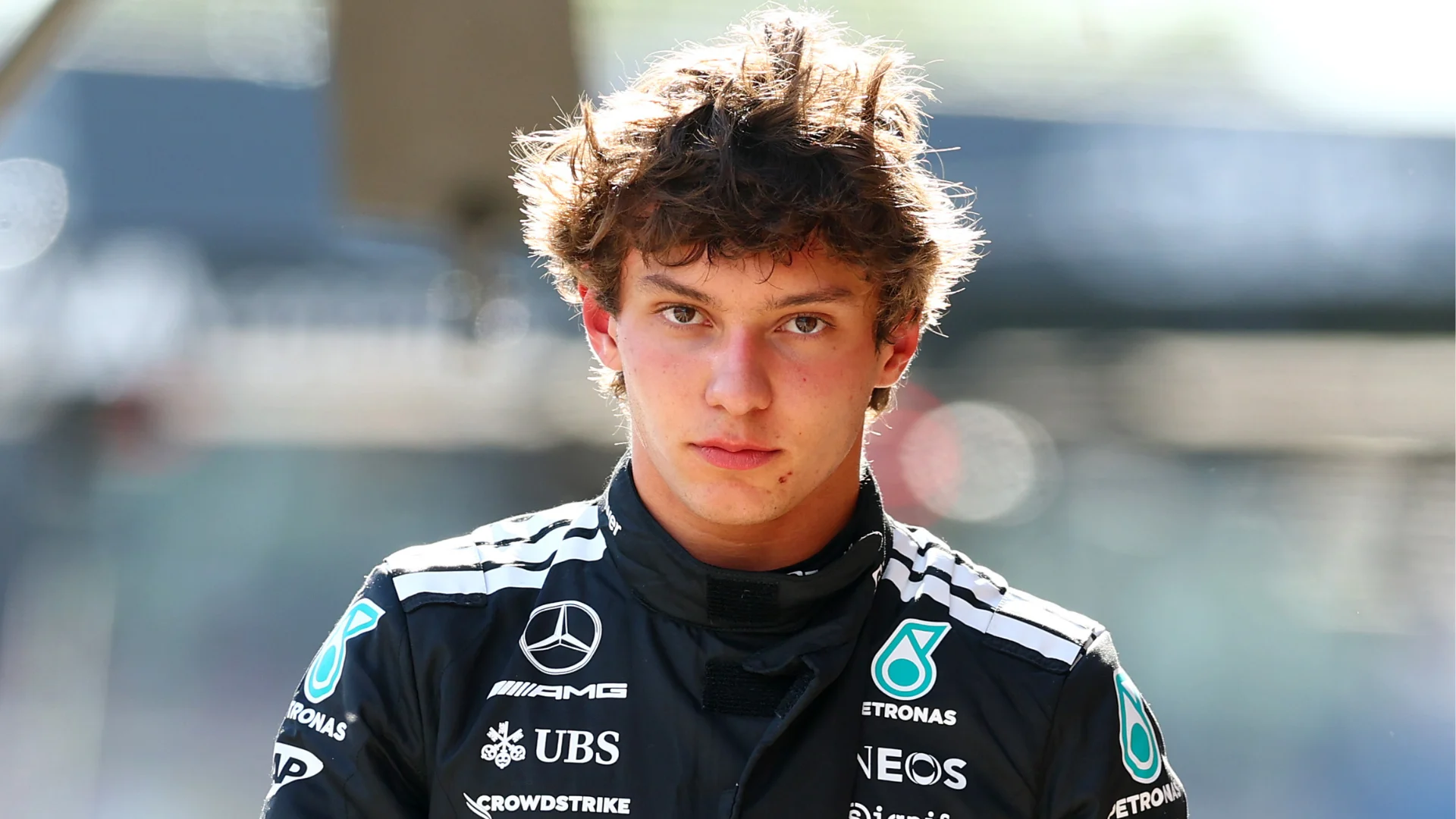
Hamilton turned 41 earlier this year and is the second-oldest driver on the 2026 grid. The history he is trying to rewrite is daunting. Nigel Mansell is the last driver over 40 to win a grand prix, when he took the 1994 Australian Grand Prix at 41. The last 40-plus world champion was Jack Brabham in 1966, with Bruce McLaren among the older race winners of the early era.
Hill's emphasis on adaptation, rather than pure speed, is not a kind verdict on Hamilton's title chances. But he was careful not to frame it as an attack. In his telling, Hamilton's mindset has become more balanced, more positive – a man managing a long career's final chapter rather than chasing a fight he has already lost.
That framing matters because Ferrari have gradually improved through the first part of the season and Hamilton's podium in China was read by many as the first real return on a transfer that, for much of 2025, looked flat. Hill's point is that the improvement is happening in parallel with Hamilton's acceptance that the car will never again have to mask a fading driver – because the driver himself has stopped expecting instincts to do the work.
Herbert was less diplomatic. The former Lotus and Sauber driver argued that every elite career reaches a point where the driver has to stop being talked out of retirement and start being honest with himself.
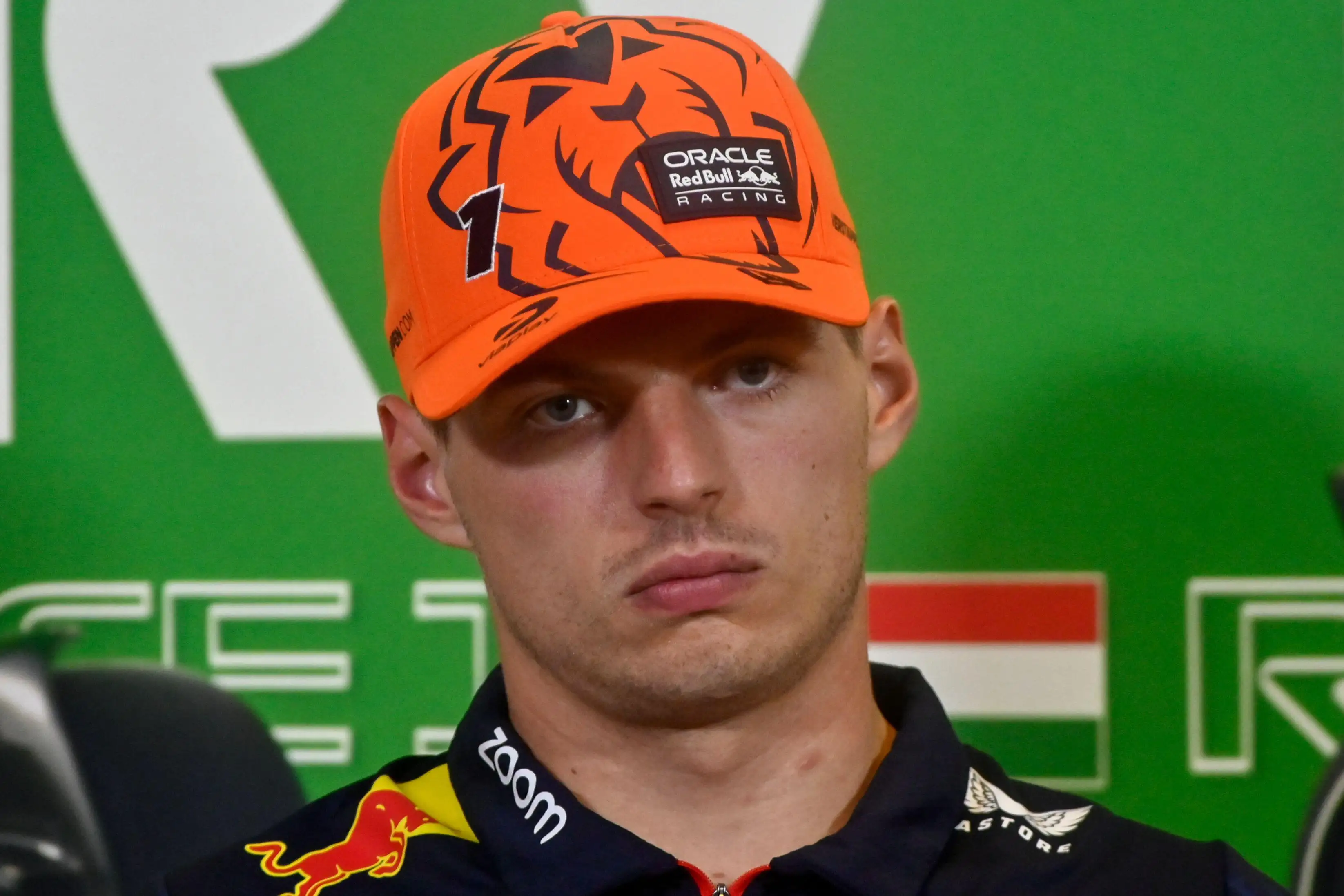
Speaking on the same podcast, Herbert said that if he were close to Hamilton he would urge the Ferrari driver to confront that moment directly rather than let the paddock do it for him. The suggestion is that there will come a race, or a run of races, where Hamilton knows the sport no longer feels the way it used to – and that admitting it is the professional thing to do.
Hamilton's Ferrari contract currently runs to the end of the 2026 season. He has publicly linked the question of his retirement to the return of a grand prix to Africa, a project that has no confirmed date and no agreed circuit. On the Hill and Herbert reading, that timeline may not survive contact with reality if the data continues to show what Hill believes Hamilton has already accepted: that peak Lewis Hamilton is no longer a driver Formula 1 will see again.