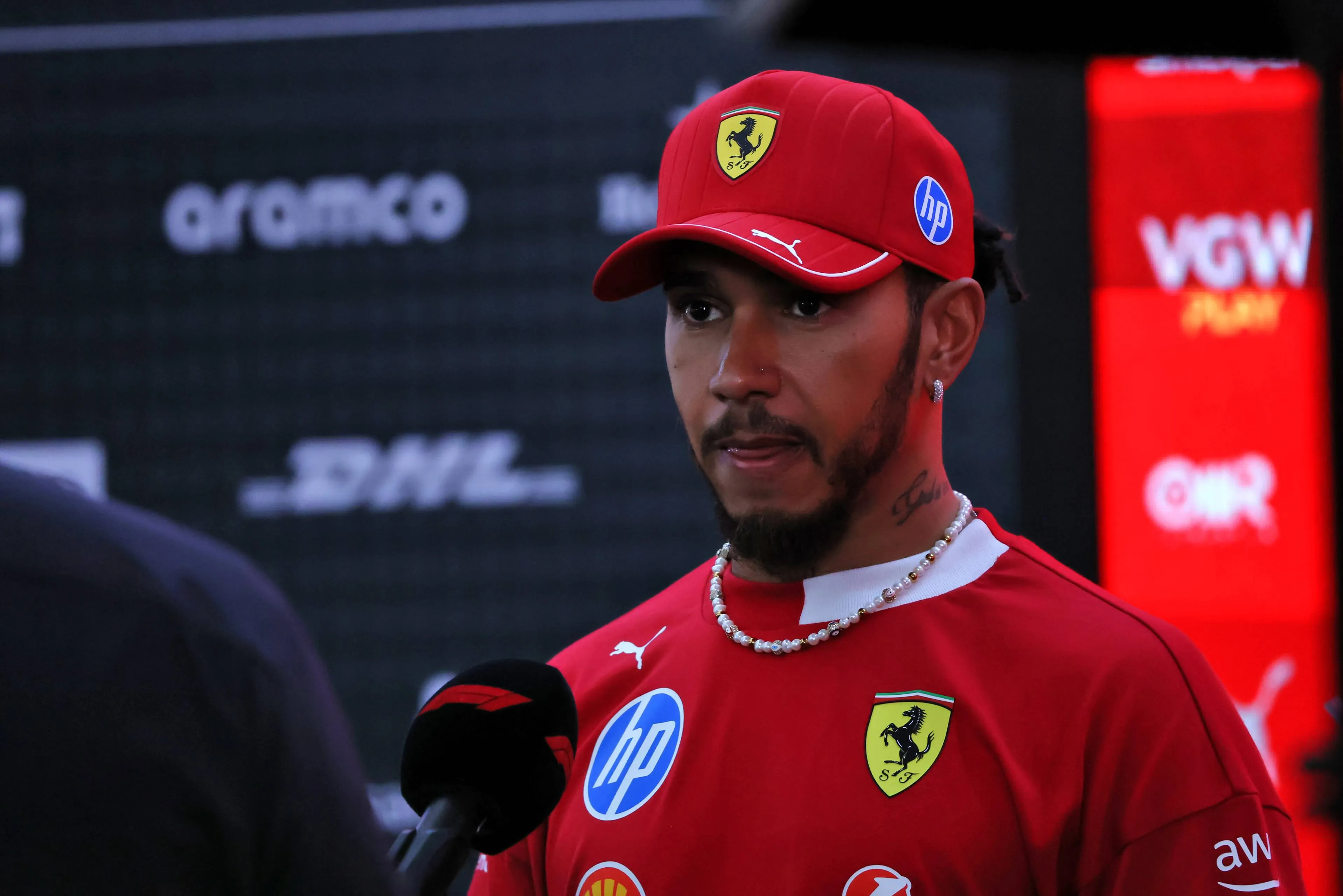
Formula 1's drivers are openly making the case that the current way the sport designs its rule books is broken, and Lewis Hamilton has now put the cleanest soundbite on the demand: a formal "seat at the table" for the GPDA when the FIA writes the next set of regulations.
The seven-time world champion delivered the line ahead of the Miami Grand Prix, against a backdrop of months of public driver complaints about the 2026 rules. His framing was a deliberate challenge to both the governing body and the commercial rights holder.
"All the drivers we do work together, we all meet — but the fact is we don't have a seat at the table," Hamilton said. "We're not stakeholders — we don't have a seat at the table currently, which I think needs to change."
Hamilton was clear that he is not pitching the drivers as an obstructionist bloc. He wants them treated as a partner whose feedback can shape better outcomes for the sport, rather than a marketing problem to be managed through press conferences.
"You guys should come and speak to us and collaborate with us, we don't want to be slagging off the Pirelli tyres," he said. "Speak to us, we'll work hand in hand, we can work together to approach the FIA so we can get a better product."
The broader frustration is one of pace. "We're here to work with you," Hamilton said. "We don't want to be slating our sport. We want the sport to succeed," before noting pointedly that the current process produces only "small baby steps each time."
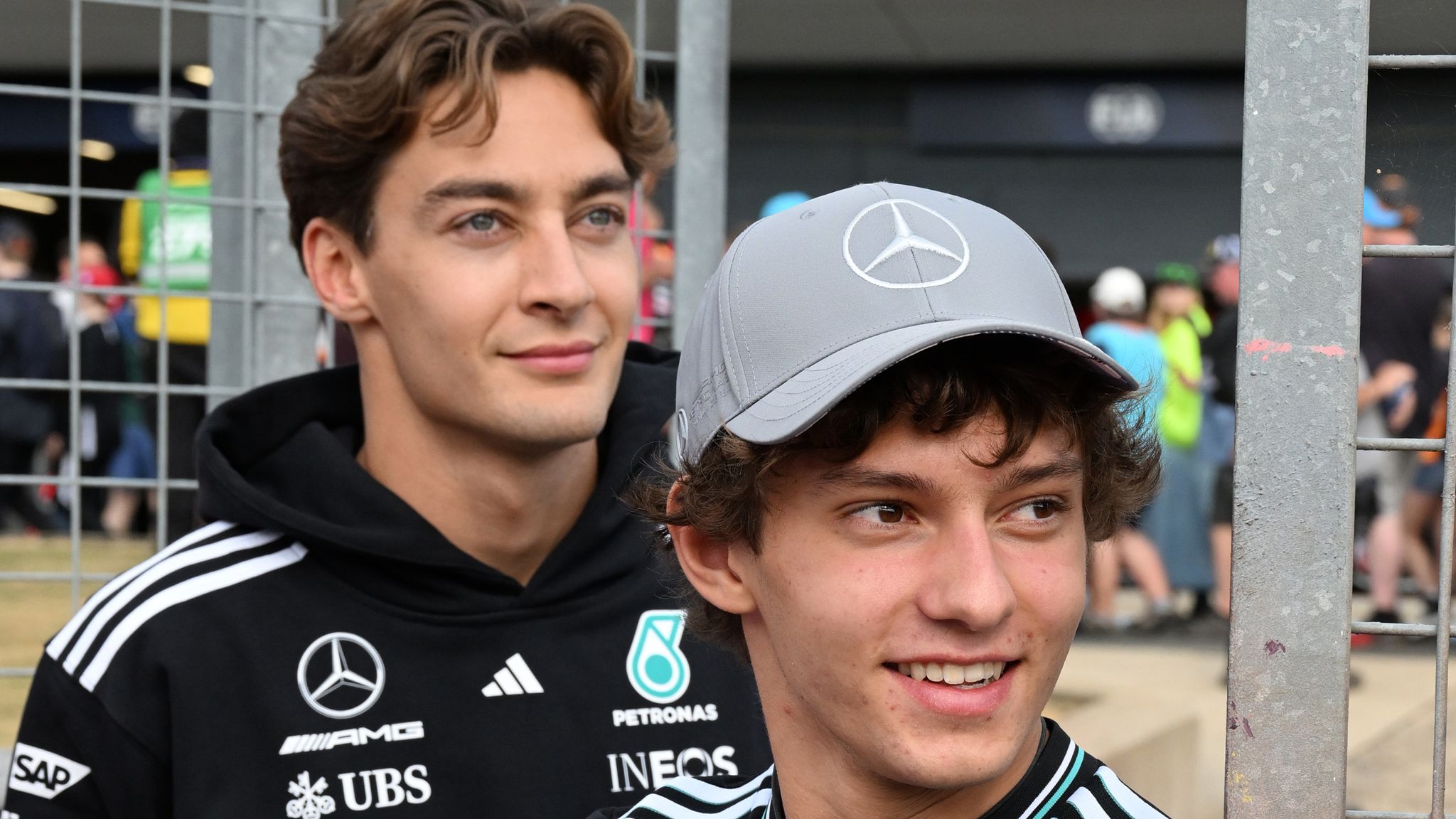
George Russell, who chairs the GPDA, offered the most candid acknowledgement of why the FIA has historically been reluctant to give drivers a vote in the room. He admitted that drivers cannot always be trusted to design the most entertaining racing.
"We're the ones who have to drive," Russell said, "but equally we are quite selfish as well as drivers. What may be the best and coolest and fastest cars for us to drive may not be the most exciting from a racing perspective."
Despite that, Russell believes the trade-off has now tipped in favour of bringing the drivers in earlier. "I think we should be involved, we should help shape it," he said, while volunteering that recent racing has been "exciting" and that "the next set is going to be really quite amazing."
Pierre Gasly, who has emerged as one of the more diplomatic voices on the GPDA board, said the dialogue with the FIA has actually been better than usual during the early rounds of 2026.
"Overall, it's the best communications we've had for a while," the Alpine driver said. "It's been very constructive."
Max Verstappen, who has been the loudest critical voice on the 2026 power-unit regulations, was characteristically brief but unambiguous.
"I hope [we can have] more and more [involvement]," the four-time world champion said.
The practical battle is over what "a seat at the table" actually means in process terms. The FIA's technical and sporting working groups are dominated by team-nominated engineers and commercial-rights representatives, with driver input arriving largely through GPDA letters and post-race media. Hamilton's demand is to flip that dynamic and put the drivers into the room early enough to influence concepts, not merely react to them. With the V8 era already moving onto the FIA's planning board, the timing of the request is no accident.