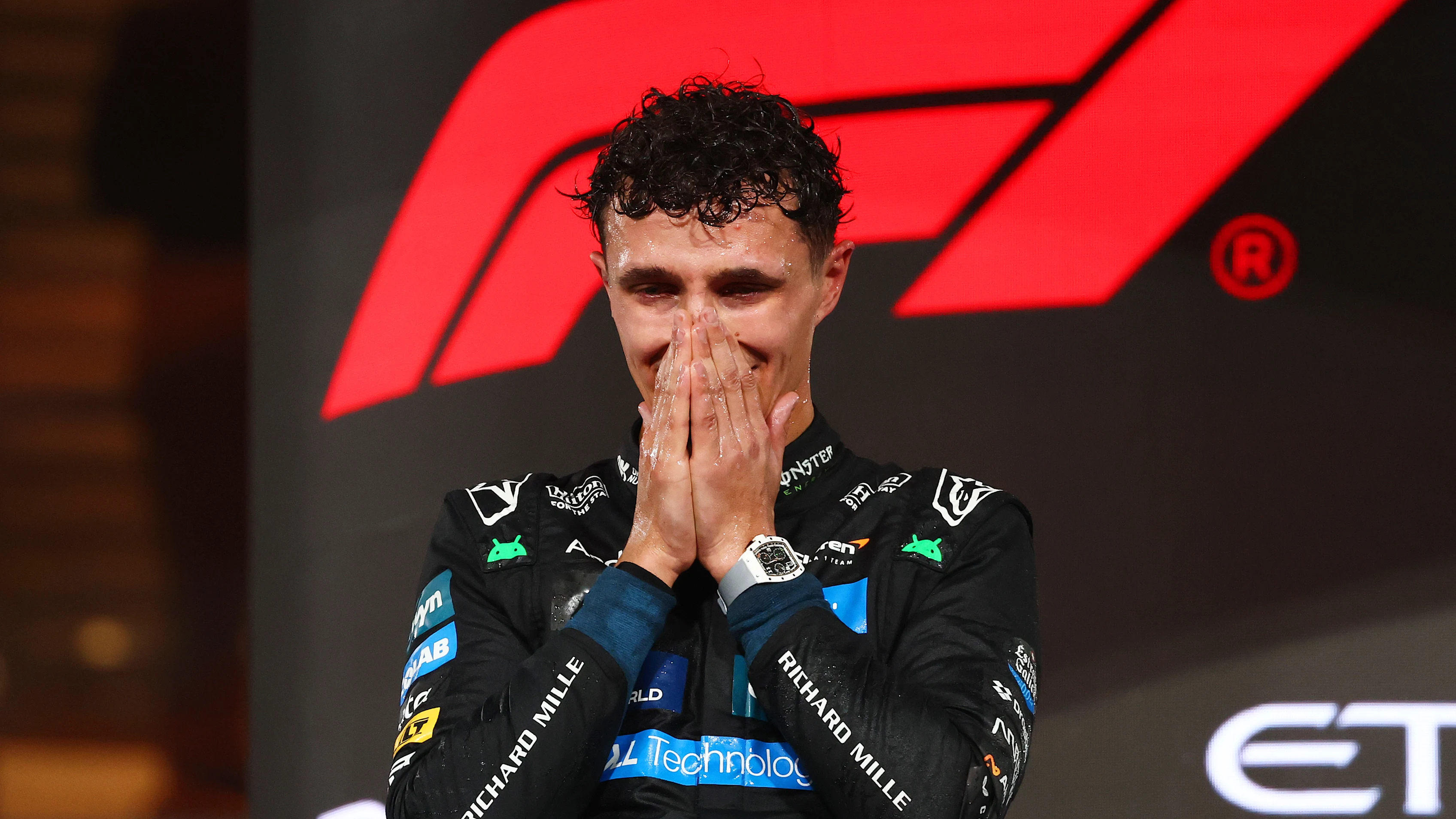
Ferrari has a problem almost nobody saw coming twelve months ago. Multiple paddock voices and technical analysts are now saying the same thing about the SF26: it is one of the best chassis Maranello has produced in years. Class-leading mid-corner speed, standout race starts in three of the four 2026 rounds, and a balance window most teams would trade for. The issue is not the car. The issue is the era.
The 2026 regulations were always going to shift Formula 1's centre of gravity from aerodynamics to power unit and energy management. What teams underestimated is how violent that shift would land. Ferrari, having essentially won the chassis race, is fighting for podiums in a championship being decided on completely different metrics.
A technical breakdown on the Podium Pe Charcha YouTube channel laid the trade-off out clearly. Ferrari prioritised reliability over outright power and chose a simpler engine layout, partly to ensure consistent performance and partly to stay comfortable inside the cost cap. Mercedes accepted a more aggressive risk profile and built a more complex engine optimised for peak performance. Through four races, Mercedes is collecting the dividend.

The Miami numbers underline how big the gap has become. Antonelli has now won three races in a row. Mercedes leads the constructors by 70 points after only four rounds. Charles Leclerc, third in the drivers on 63 points, led laps in Miami before a final-lap spin and a 20-second penalty dropped him to eighth. Lewis Hamilton finished sixth, talking publicly about being stuck in no man's land in race trim. The chassis was good enough to fight at the front for stints. The package was not good enough to convert.
This is where Ferrari's lifeline arrives. Under the FIA's Adjusted Design Update Opportunity, the so-called ADUO mechanism, manufacturers that fall outside a defined performance band on power unit metrics are allowed extra in-season development relief. The mechanism was designed to keep new entrants like Audi and Honda in touch, but Ferrari is increasingly tipped to qualify after the Montreal Grand Prix.
If that confirmation comes, Ferrari is targeting a meaningful power unit upgrade for the Canadian Grand Prix, with a follow-up package planned for the Spanish Grand Prix shortly after. The combination of those two power steps, alongside the new mandated front wings the FIA's flex tests are forcing on every team in Barcelona, would in effect give Ferrari a partial restart of its 2026 season.
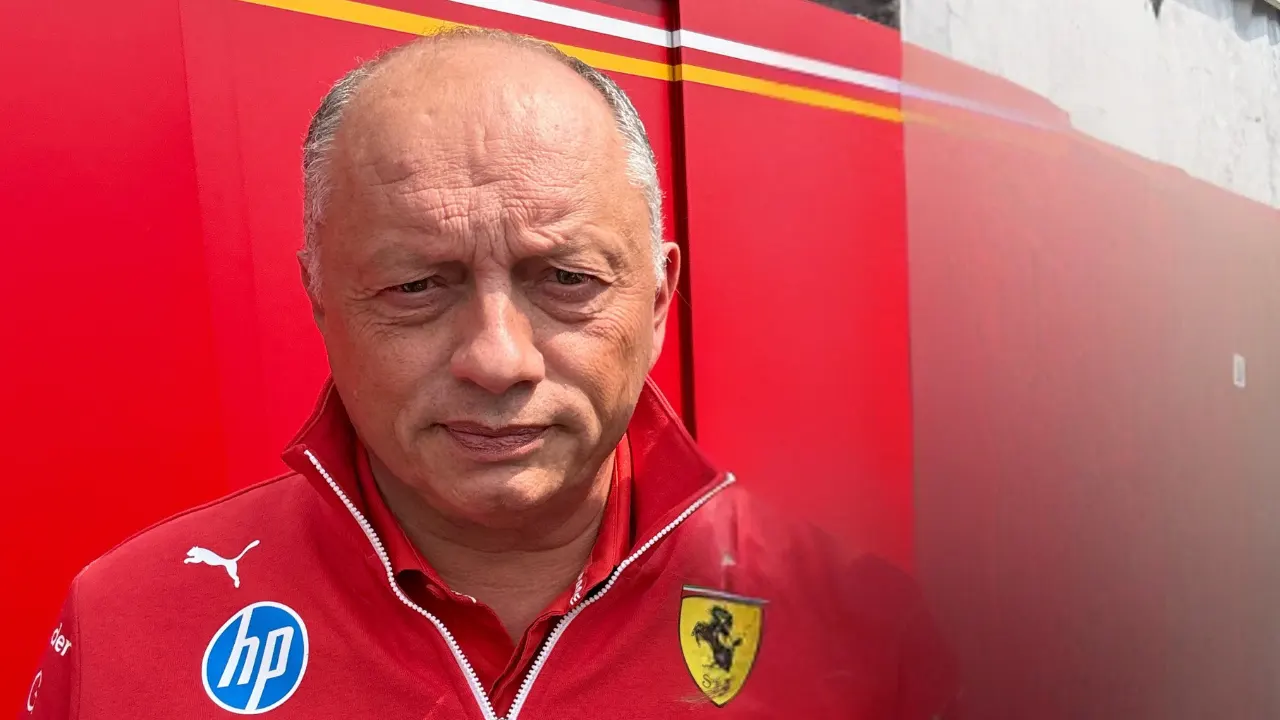
Vasseur is publicly preaching patience. He has confirmed only "small upgrades" for Imola because Ferrari does not want to spend its development capital before it knows what its ADUO ceiling looks like. The risk in that approach is obvious. By the time Ferrari upgrades, Mercedes may be uncatchable in the constructors and Antonelli may be uncatchable in the drivers.
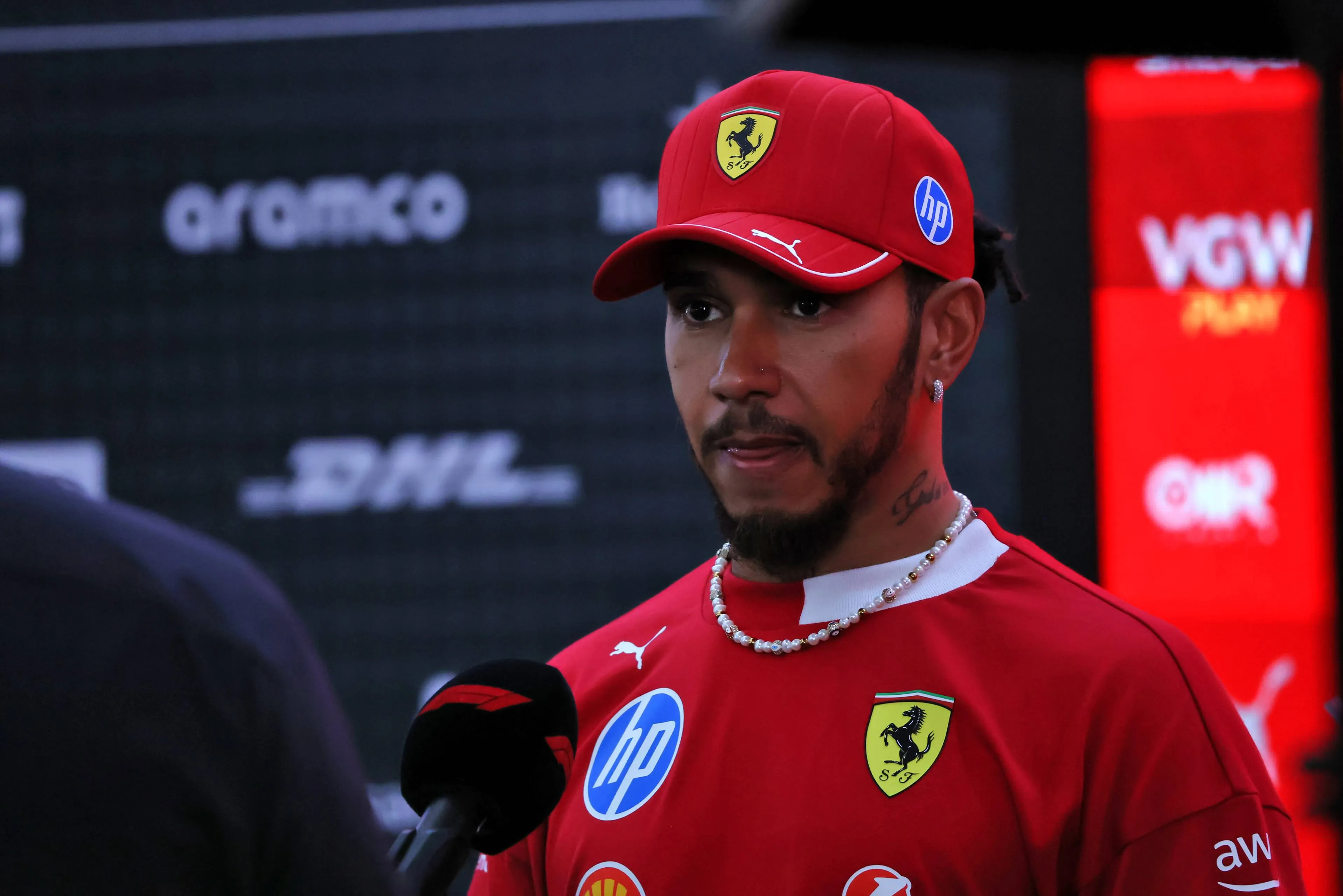
There is also a structural irony at the heart of all this. Ferrari spent two seasons preparing for the 2026 reset, redesigning its working culture under Vasseur and signing Hamilton to act as a generational lead driver. The chassis arrived. The engine, on the evidence so far, did not. If the ADUO route delivers, Ferrari's 2026 will be remembered as a season recovered. If it does not, the SF26 will go down as the best F1 car of the wrong era.