The FIA is privately conceding that the defining principle of Formula 1's 2026 power unit regulations — a near-50/50 split between combustion and electrical power — was the wrong target, according to paddock reporting emerging after the Japanese Grand Prix.
Journalist Thomas Maher, speaking on a post-Suzuka discussion, said the mood inside the governing body has shifted now that the on-track reality of the new rules is visible.
"I'm hearing some interesting admissions off the back of Suzuka. Namely, there is a growing awareness within the FIA that the 50/50 split has been the wrong direction," Maher said.
It's a remarkable admission to emerge two rounds into a regulation cycle the FIA trumpeted as the sport's green reset. The 2026 power unit was pitched as a technology showcase: a roughly equal balance of internal combustion and electrical output, running fully sustainable fuel, and moving Formula 1 closer to the direction road-car manufacturers have taken. Instead, it has produced cars that visibly slow on the straights as batteries run dry and drivers who are publicly criticising the regulations they are expected to race.
F1 News host TacticalRab was blunter still, pointing out that the long-planned 50/50 target was never even achieved.
"Who could have thought? Who could possibly have thought, guys, that for some reason chasing this 50/50 idea was a bad way to go? They didn't even get there. They only got to 55-45. So, congrats. Like, you know, you've ruined it. And for what, right?" he said.
That 55-45 figure — referring to the actual split of combustion versus electrical contribution under the new units — has become a flashpoint for criticism. For a regulation set partly justified by the symbolism of the 50/50 target, falling short of the number while simultaneously slowing the cars has been difficult for the FIA to defend in private, let alone publicly.
But the most uncomfortable part of the conversation is what can actually be done. The regulations are signed, manufacturers have committed multi-year budgets, and Audi has entered the sport specifically on the promise of this rule set.
"The FIA can't reverse course now because the regulations are locked in. The reason for the slowdown is sustainability optics. The FIA wants Formula 1 to look environmentally conscious even if it costs performance," an analyst from Red Sector argued in a detailed breakdown of the situation.
That framing — sustainability as optics — is one the FIA has firmly rejected in public statements. But the fact it is now being used by respected commentators, and met with little pushback, tells its own story.
F1 boss Stefano Domenicali has already conceded publicly that "adjustments" are being looked at. Proposals reportedly on the table include lifting the super-clipping power limit from 250kW to 350kW, reducing maximum deployment in qualifying, and tweaking active aero behaviour. None of those changes would alter the 50/50 ambition — they would simply soften its worst on-track consequences.
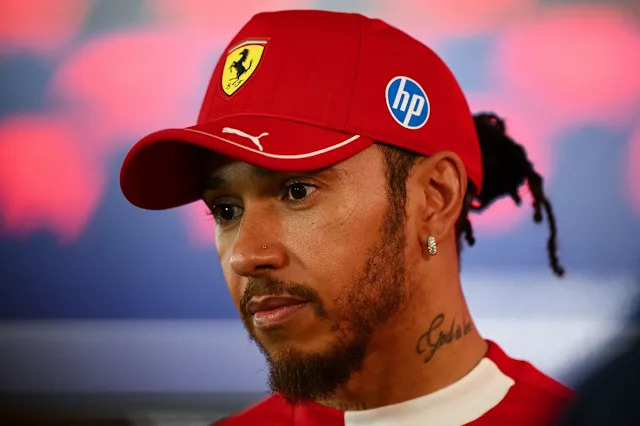
For Max Verstappen, whose predictions about the 2026 rules were dismissed as alarmist only months ago, the quiet shift inside the FIA is a form of vindication. For the sport's governance, it raises harder questions: how a regulation set arrived at its finished form with so little margin for error, and whether locking in the next half-decade before the first race was ever sensible.
Either way, if Maher's reporting is correct, the era's defining number — 50/50 — has already been privately conceded.