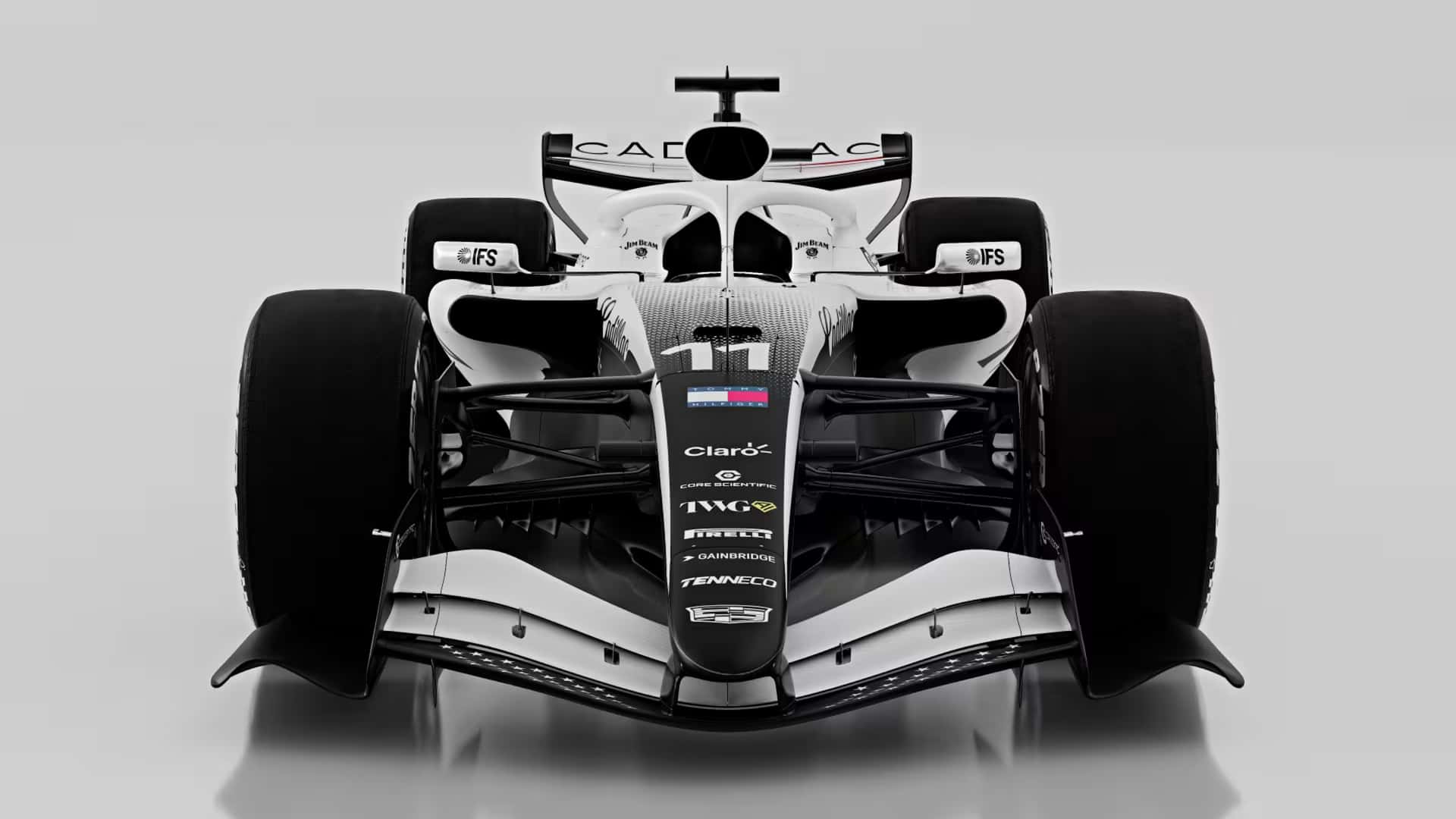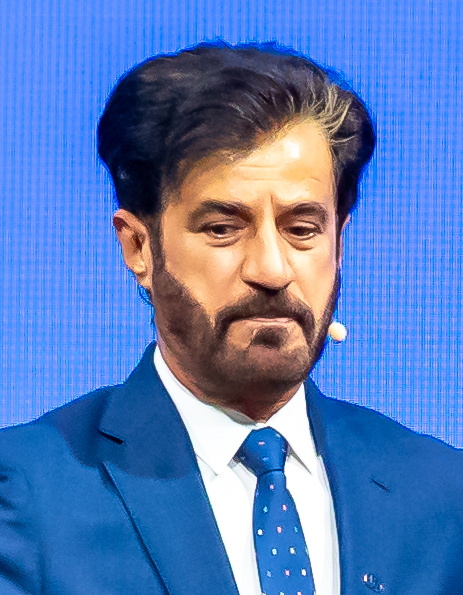
Formula 1's planned return to a V8 engine has just acquired the first set of hard numbers in print, with FIA president Mohammed Ben Sulayem laying out the technical and political shape of a power unit he believes will pull the sport back from a complexity dead end.
The headline figure is a combined output of around 880 horsepower, with the internal-combustion engine doing the bulk of the heavy lifting and the hybrid contribution deliberately constrained.
"Having a 10% [energy split], you will get to 880 horsepower, but then the car [gas engine] will be about 650 hp, I think," Ben Sulayem said. "It will be that [a 10% to 20% electric power split], it's not more than that. Not at all."
That is a deliberate move away from the philosophy of the current 2026 rules, which split power roughly evenly between combustion and electric motors and have been blamed for the "power clipping" that drivers have complained about repeatedly during the early rounds. The MGU-H, the turbo-driven harvester that became one of the defining engineering puzzles of the hybrid era, is also being deleted.
"The MGUH was, at the time, the future, but now it's not," Ben Sulayem said.
The engine itself will be physically larger than the current V6 but still tightly constrained on revs.
"You can't get the power with less than a 2.5- or 2.6-liter, so you're talking about between 2.6- to 3.0 liters," Ben Sulayem explained, before setting a clear ceiling on revs: "You don't want it to be over 15,500 to 16,000 rpm."
The rationale Ben Sulayem keeps returning to is cost and accessibility, with the FIA increasingly worried that the complexity of the current power units has frozen the manufacturer landscape and discouraged new entrants.
"If you make it simple, others can afford it," he said. "We're talking about easier to build, cheaper, and reliable units… really, it is a no-brainer."
There is also a quiet political signal embedded in the announcement. The FIA is no longer prepared to be forced down an all-electric path simply because every other category is moving that way.
"With all due respect, electrification is not the only solution," Ben Sulayem said.
On timing, the FIA had previously suggested 2031 for the new engine's debut, but Ben Sulayem made it clear he wants to compress the timeline by a full year if the manufacturers can be pulled along.
"It will happen in 2031, but I want to bring it one year earlier," he said.
For the manufacturer field that has just signed up to the 2026 rules — Mercedes, Ferrari, Honda, Audi, Red Bull Powertrains and the new V6 from Cadillac — the V8 era now becomes the next political battleground. Sustainable fuel is locked in for both regulation cycles, so the V8 will not be a nostalgia exercise but a deliberately downsized, cheaper engine designed to reduce the role of electrification and put the driver back at the centre of the show.