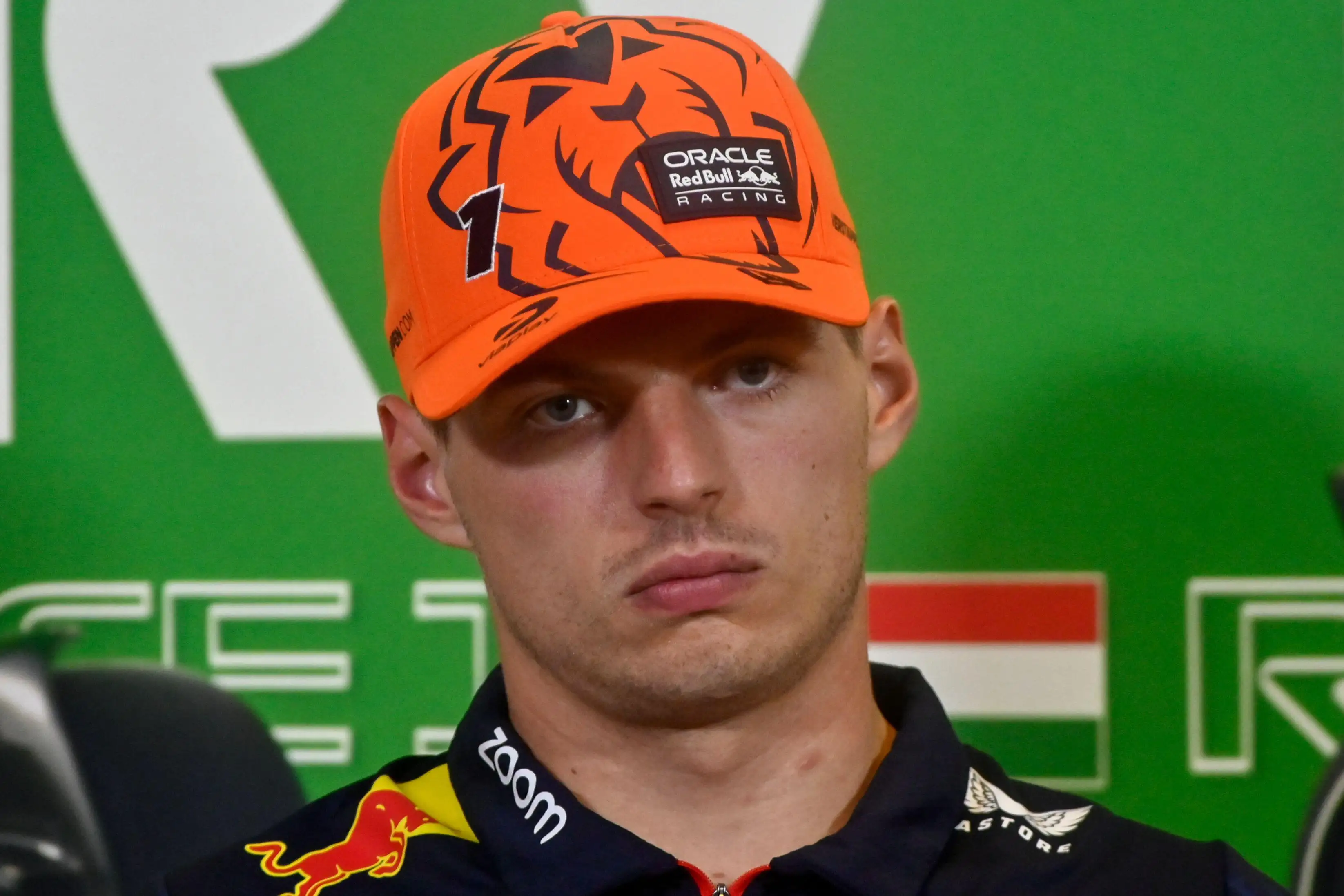
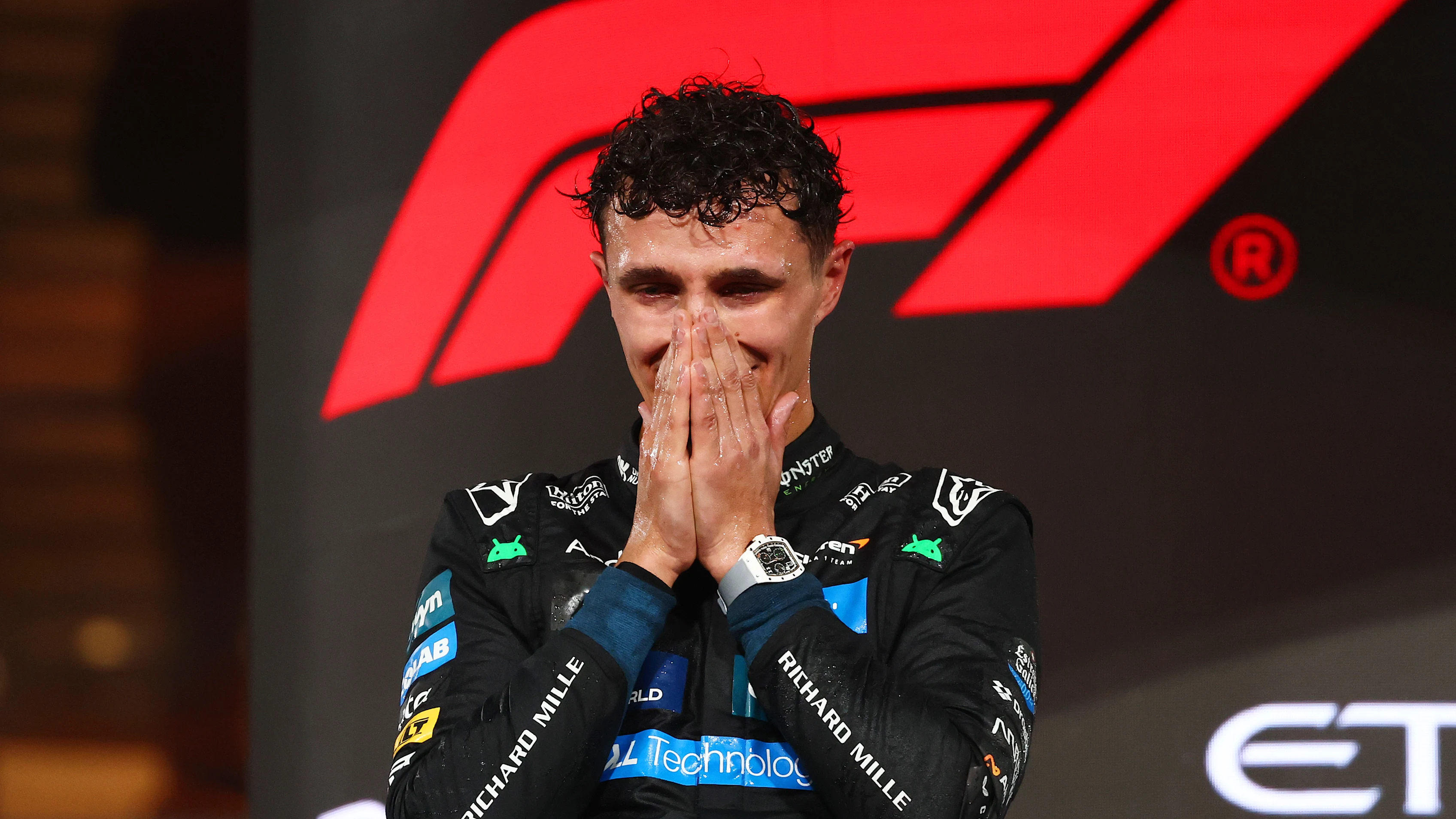
The defining critique of Formula 1's 2026 regulations has come from Lando Norris, in one memorable phrase. He has called the back-and-forth passing dynamic that the new power unit regulations produce "yo-yoing" — drivers swapping positions on consecutive straights because of energy-deployment mismatches rather than outright pace. Max Verstappen has co-signed the criticism. The rest of the grid has, for the most part, quietly nodded along.
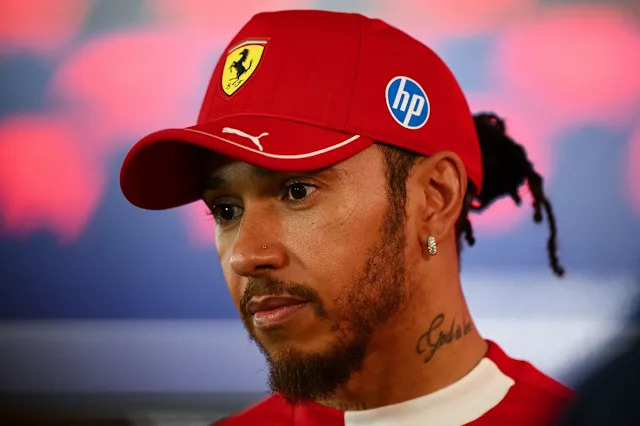
Lewis Hamilton has not. In a rare direct disagreement with the sport's younger vocal centre, the seven-time world champion has taken the opposite public view — and framed the argument by going back to the sport's entry point.
"In karting, no one's — it happens in karting all the time, back and forth, back and forth," Hamilton said. "No one ever calls it yo-yo racing. It's real racing. So, whoever's coming up with that is — yeah, that's it."
The position is a quietly unusual one for Hamilton to take. The Ferrari driver has spent the opening three races of his first full season in red being publicly respectful, tactically vague about performance limitations, and careful not to contribute opinions to ongoing paddock arguments. On the biggest structural debate of the 2026 season, he has now chosen a side.
The argument he is making is specific. Hamilton's view is that the 2026 racing dynamic — lead changes inside a single lap, repeated passes and counter-passes at different points on the circuit — is not evidence of a broken rule set. It is evidence of F1 resembling, for the first time in a long time, the racing culture of the sport's grassroots.
The empirical evidence he offered was personal. Earlier in the same press session, Hamilton was asked what he had enjoyed about the 2026 cars, and he responded with an unprompted memory of his second race of the year alongside his teammate Charles Leclerc.
"That race I had with Shal just in the second race was one of the most fun races I've had," Hamilton said. "I think other than that, maybe me and Nico in Bahrain many years ago. Um, so I just hope we get more of that because it's — it's that's what racing is about. It's like back and forth, back and forth rather than one take and then it's over."

The Nico Rosberg reference is to the 2014 Bahrain Grand Prix, remembered as one of the canonical one-on-one teammate battles of the hybrid era. For Hamilton to rank his second race in Ferrari colours alongside that Bahrain duel is a meaningful rating — and it is not the rating of a driver who believes the 2026 season is being ruined by its own energy-management quirks.
His broader position on the rule cycle was equally clear.
"Um well, I mean I obviously there's lots of different views on um this year's generation of car," Hamilton said. "But I mean for me it's just exciting that is a new era for the sport. I think every every time it has been a new era, it's it's always been exciting to see where people come out. And I'm proud of the team. The work we've done over the last year to get us to this to this point and be closer to the front and and in the battle, I think is is really a showing of the amazing work the team's done."
The "every time it has been a new era, it's always been exciting" framing is close to an explicit response to Norris. It places the 2026 regulations inside a familiar pattern of F1 rule resets, rather than treating them as a fundamental break with the sport.
There are two ways to read Hamilton's position. The first is that he genuinely believes it — that he sees the passing dynamic as a feature, not a bug, and that his own Saudi Arabian battle with Leclerc counts as empirical validation. The second is that a driver whose team has moved into a rebuilding season has a rational incentive to defend a rule set under which his new team is recovering.
Both can be true at once. What is not up for debate is that Hamilton is the most accomplished driver on the grid, and he has publicly disagreed with the younger champion leading the 2026 revolt. The question now is whose reading carries more weight inside the FIA's pre-Miami rule-review meeting. If Norris's critique dominates, the 2026 regulations will emerge with patches. If Hamilton's endorsement carries, the format survives unchanged into the mid-season European swing.
Either outcome shapes the championship. But the more interesting consequence is longer-term. The 2026 rule cycle was sold, in part, as a return to racing closer to the sport's roots. Hamilton has now publicly made that case for the regulators — in words the paddock will have to take seriously.