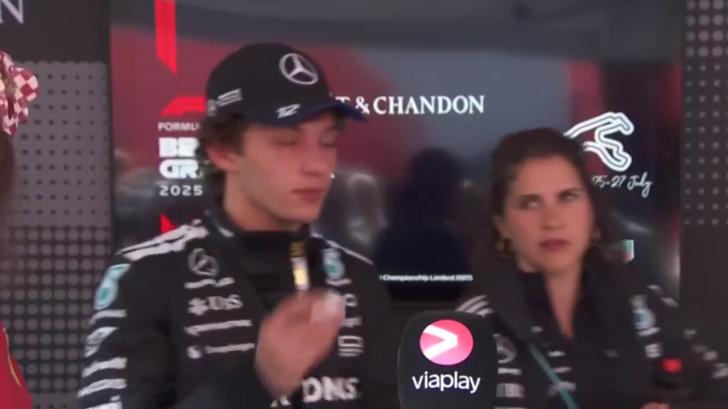
Kimi Antonelli was already out of the Barcelona Grand Prix when the stewards reached for the rulebook. The championship leader, who stopped from second with five laps left, picked up a five-second penalty for running wide once too often — a sanction that landed long after it could do any sporting harm, and one that has reignited the row over track limits.
The detail is what stings. Antonelli left the circuit four times at Turn 10, but one of those breaches slipped past race control in the moment. As a result, the warning flag that should have followed his third offence only flew after his fourth.
"The car left the track four times during the race without justifiable reason," read the stewards' verdict. "The stewards acknowledge that the driver did not receive a black/white flag after his third infringement but rather after his fourth infringement as one earlier infringement was only detected later in the race. However, based on the current regulations and driving standards guidelines, this does not exempt the driver from complying with the regulations."
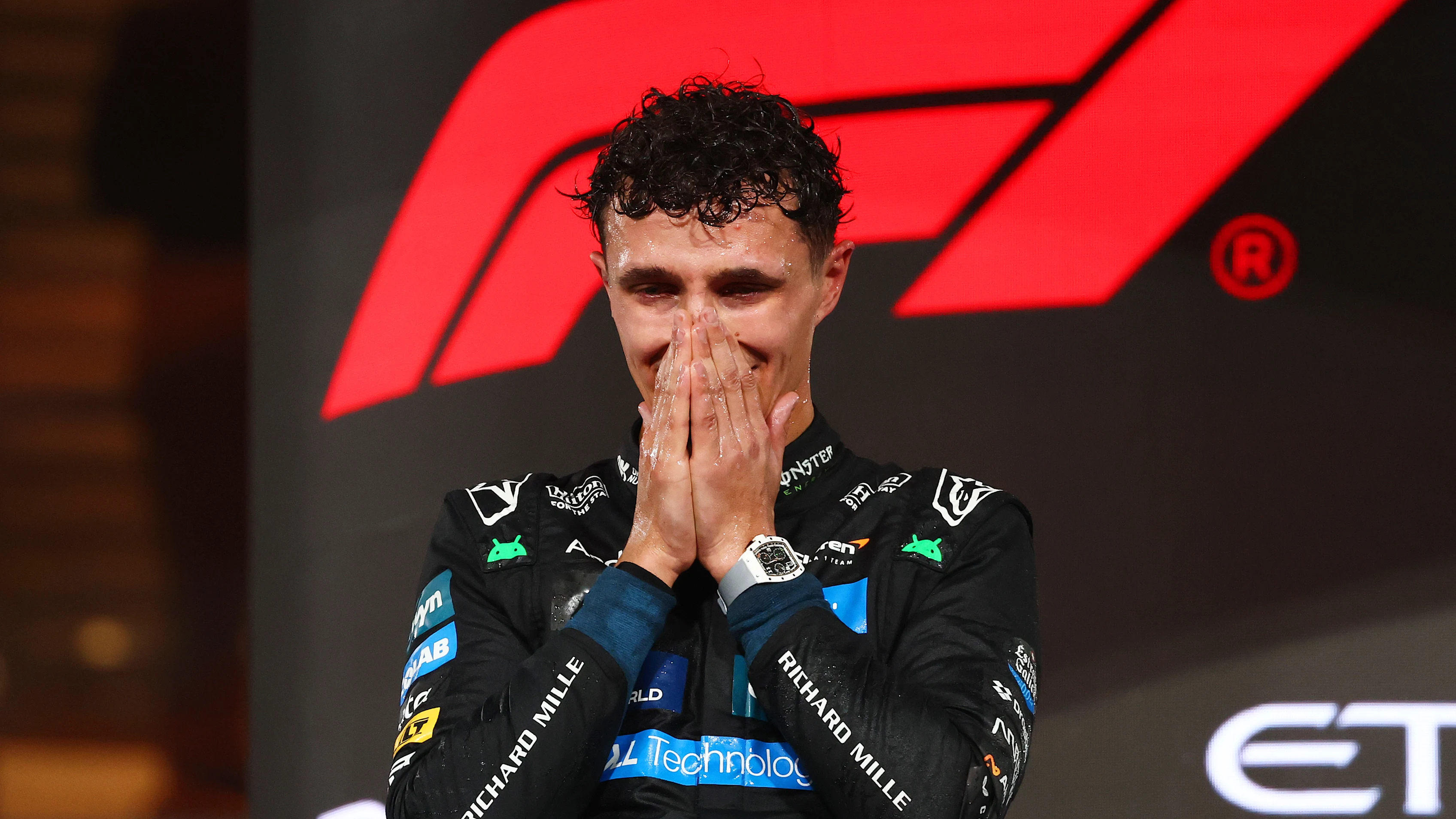
Tellingly, the missing offence was caught by a rival, not the FIA. McLaren raised the extra infringement and told Lando Norris over the radio that Antonelli had gone beyond three strikes and would be punished — before any official ruling existed.
Mercedes had seen the risk coming. Engineer Peter Bonnington had warned Antonelli he was on three strikes and to give the stewards nothing more. The Italian got past George Russell with five laps to run before his car simply switched off.
Finish second, and those five seconds mattered: Antonelli could have dropped behind Russell or Norris had either stayed within range, turning paperwork into a lost podium. Because time penalties applied after the race don't convert into grid drops, nothing carries into the next round.
Even the officials seemed uncomfortable. The stewards took the unusual step of asking the FIA to "revisit the current procedures and guidelines as soon as possible," admitting the current process is ambiguous. That is the real story here — a penalty regime that leans on rival teams to flag what the cameras miss, and that can be applied hours after the fact, keeps colliding with the sport's stated goal of consistency.

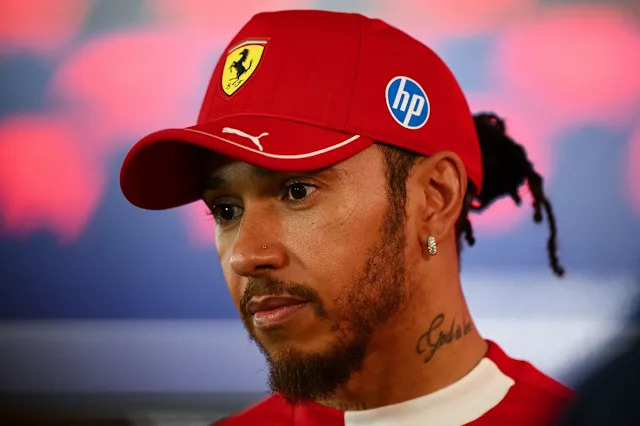
None of it changes Antonelli's weekend, which was already wrecked. His first DNF of the season halts a strong run, yet he still leads. Lewis Hamilton, celebrating a first Ferrari win, sits 41 points back, with Russell third, nine further adrift.
The points table is settled; the procedure is not. With the FIA now asked by its own stewards to tighten the rules, the next track-limits flashpoint could come as soon as the Red Bull Ring in Austria on 29 June.