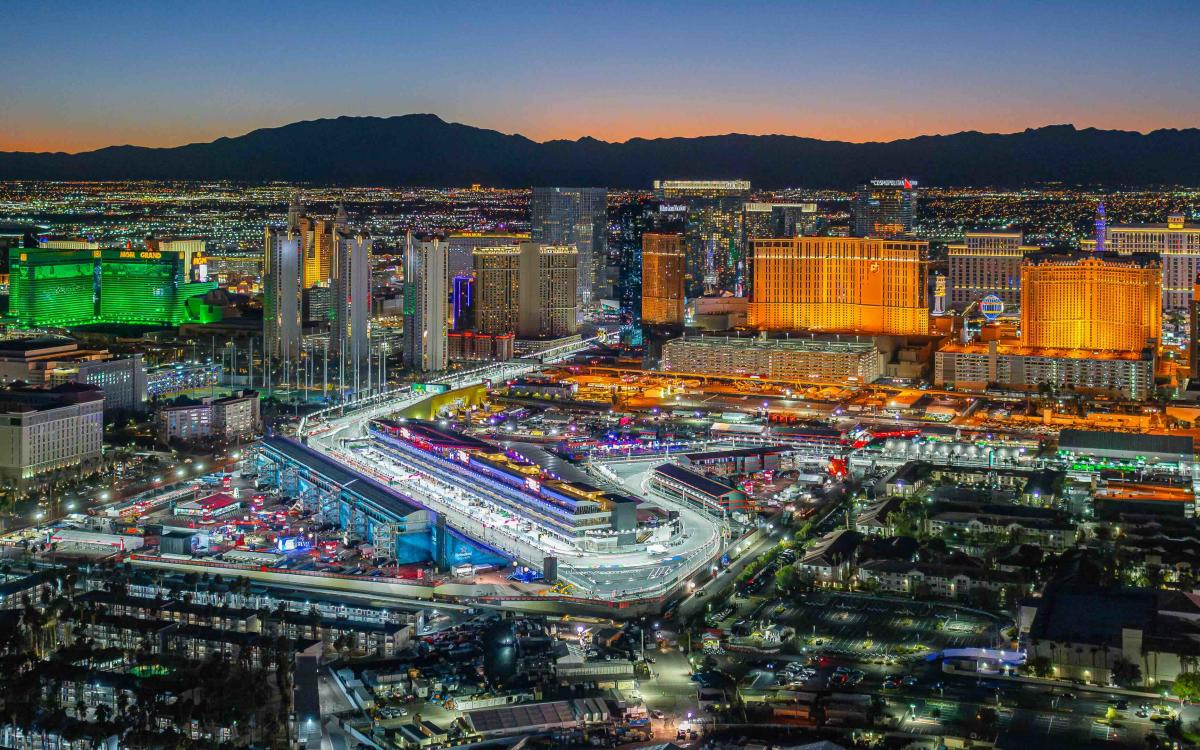
Formula 1 has committed to Las Vegas for the long haul. A fresh 10-year agreement with the Las Vegas Convention and Visitors Authority will keep the Strip on the calendar through 2037, with the new terms kicking in from 2028. For a race that landed in 2023 to a chorus of doubt, a guaranteed decade is a statement of intent.
The sport's chief executive, Stefano Domenicali, cast the renewal as proof the bet had paid off. "We are thrilled that Formula 1 will continue racing in Las Vegas for many years to come," he said. "Since its debut in 2023, the event has been extraordinary, rapidly establishing itself as a premier destination for great racing, world-class entertainment, global business leaders, A-list celebrities and influencers." Las Vegas, he said, had "always" been envisaged as "a cornerstone of our presence in the United States."
F1's case rests heavily on the balance sheet. The race has poured a stated $3.2 billion into the local economy since 2023, pulled in around 300,000 spectators over three days in 2025, and generated $43 million in state and local taxes last year — $15 million of it earmarked for K-12 schools.
The promoter was unsurprisingly upbeat. "Securing a 10-year extension through 2037 is a defining moment for the Las Vegas Grand Prix," said Emily Prazer, the event's president and CEO. LVCVA chief Steve Hill described the renewal as "a major moment for both Las Vegas and the Grand Prix."
The road here was bumpier than those numbers suggest. F1 spent a reported $500 million securing land and building a permanent pit complex, and the inaugural weekend nearly came apart. A dislodged drain cover ripped into Carlos Sainz's Ferrari in first practice, the running was halted, and the make-up session did not get going until 2:30am, with fans shut out. Cheapest grandstand seats that year ran to about $1,000, and plenty of supporters grumbled that the event prioritised sponsors and celebrities over them.
The mood has shifted since. Jalopnik judged Vegas "the best of a bad bunch" of F1's newer venues, crediting a circuit that — unlike Saudi Arabia's blast or the upcoming Madrid round — genuinely allows cars to pass. The 6.2km lap threads past the Bellagio, Caesars Palace and the Wynn at more than 320 km/h, and the results have carried weight too: Max Verstappen won the first running, George Russell triumphed in 2024, and Verstappen prevailed again in 2025 once McLaren's cars were thrown out.
Per GPFans, the local authority will pay F1 in the region of $10 million annually across the agreement. This year's race holds its slot on November 19-21 as the penultimate round — now the first of at least a dozen more guaranteed on the Strip.