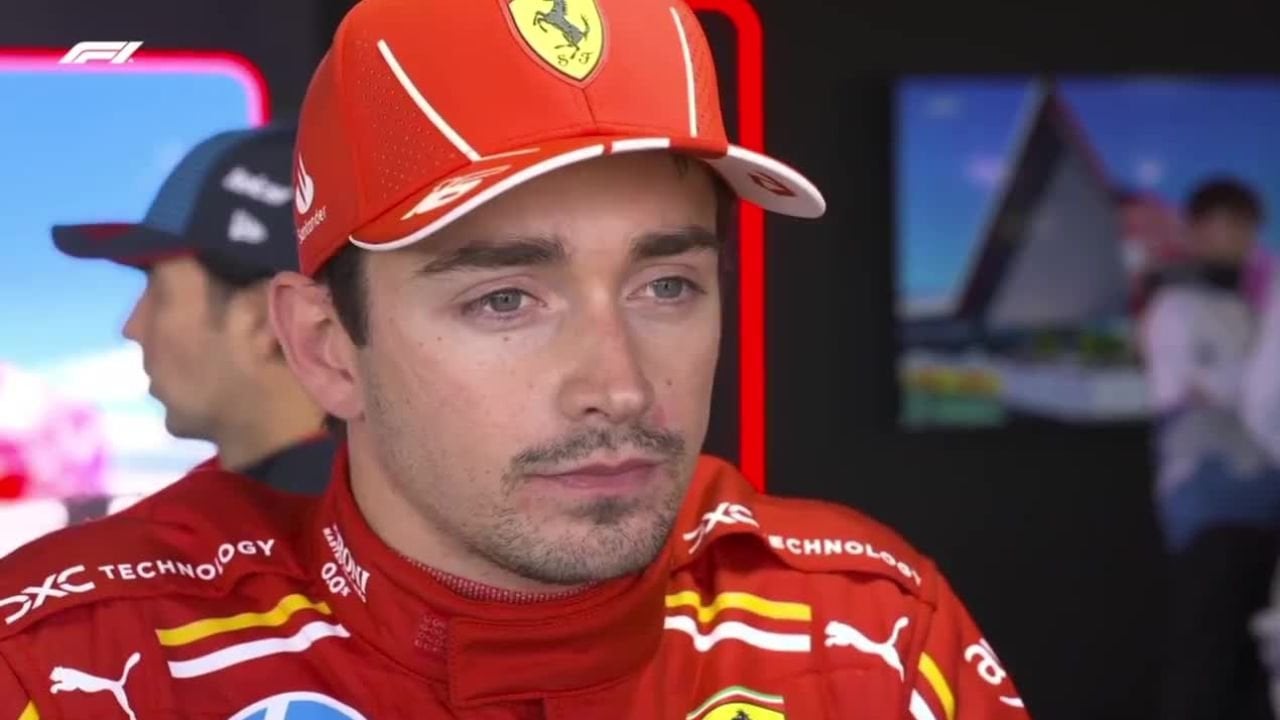
A retirement that started as one frustrated driver shouting about his brakes has become the most telling technical thread of Ferrari's 2026. Charles Leclerc crashed at a Monaco safety-car restart, climbed out and pointed straight at his braking system, calling the moment "borderline dangerous" and admitting he "looked like an idiot." On turn-in, he said, the brakes were simply not there.
Brembo, which supplies Ferrari, was quick to register its surprise and warn against early conclusions before the data had been examined. What several analysts have since reconstructed is more awkward for the regulations than for any single part: nothing failed.
According to The Race's Jon Noble, the cause sits in the 2026 rulebook. With power split evenly between the combustion engine and the electrical side, teams harvest aggressively off the rear axle, leaving the rear brake discs doing less work, running colder and slipping out of their temperature window. The trait first bit Leclerc in a cold Canada, Noble says, and was magnified at low-energy Monaco, where a long safety-car period meant the discs never came up to temperature at all.
Track Vision, breaking down the onboard, made a complementary observation: Leclerc braked unusually early and dropped to first gear at the restart. With a full battery, it argued, the MGU-K delivered no engine braking to the rear, so the Ferrari ran deeper than expected, understeered, and locked the fronts into the barrier. Crucially, the channel noted that Lance Stroll and Fernando Alonso had near-carbon-copy moments at the same kind of corner, evidence this is a 2026 characteristic rather than a Leclerc error.
ScuderiaFans described the problem as a clash between the brake-by-wire system and hybrid recovery, with Leclerc reporting absent rear brakes and front brakes biting at almost double their usual force because they were outside their window. By that account he is adamant nothing in his telemetry suggests he could have saved it.
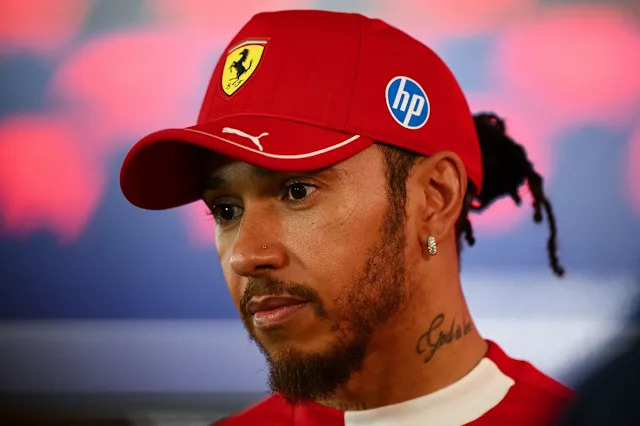
So why has Lewis Hamilton been comfortable in the other Ferrari? Noble offers two reasons. Hamilton's late, aggressive braking pumps heat into the discs and holds them in their window, whereas Leclerc's smoother style does not. And Hamilton has switched disc supplier, leaving Brembo for Carbone Industrie around the Japanese Grand Prix in search of the sharper initial bite he likes.
That switch is now Leclerc's likely route out. Sources suggest he will run Hamilton's specification from Barcelona, with the team expected to move toward smaller rear discs that warm up more easily over the longer term. There is also natural relief on the horizon: Barcelona is a high-energy circuit in summer heat, the opposite of Monaco, and exactly where the brakes should finally behave. The first answer comes on Friday.