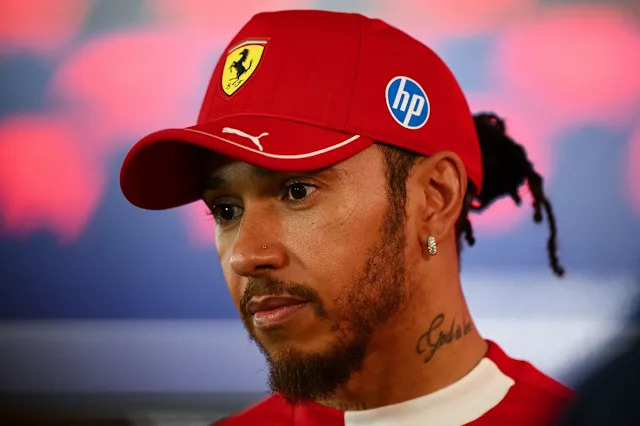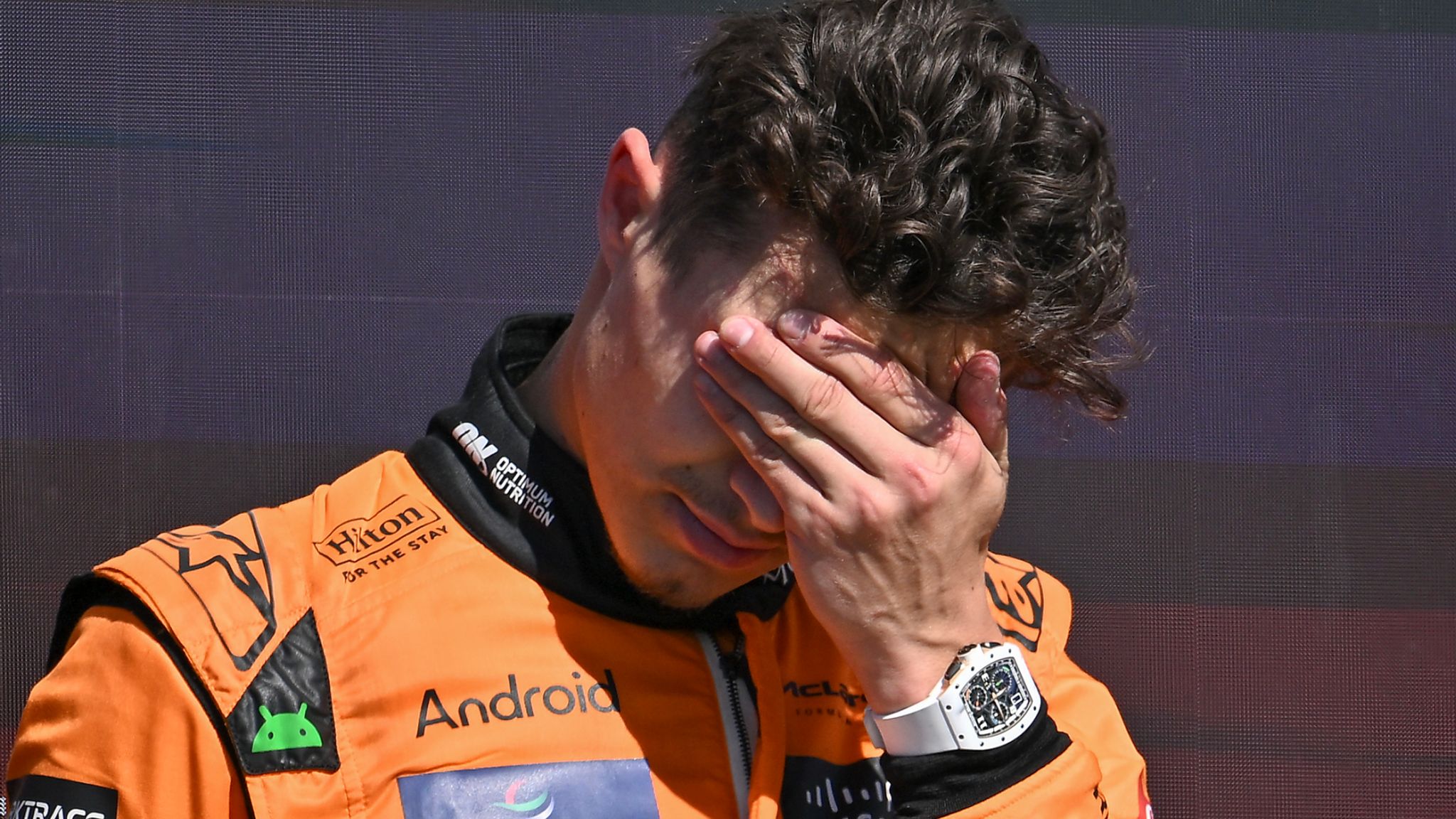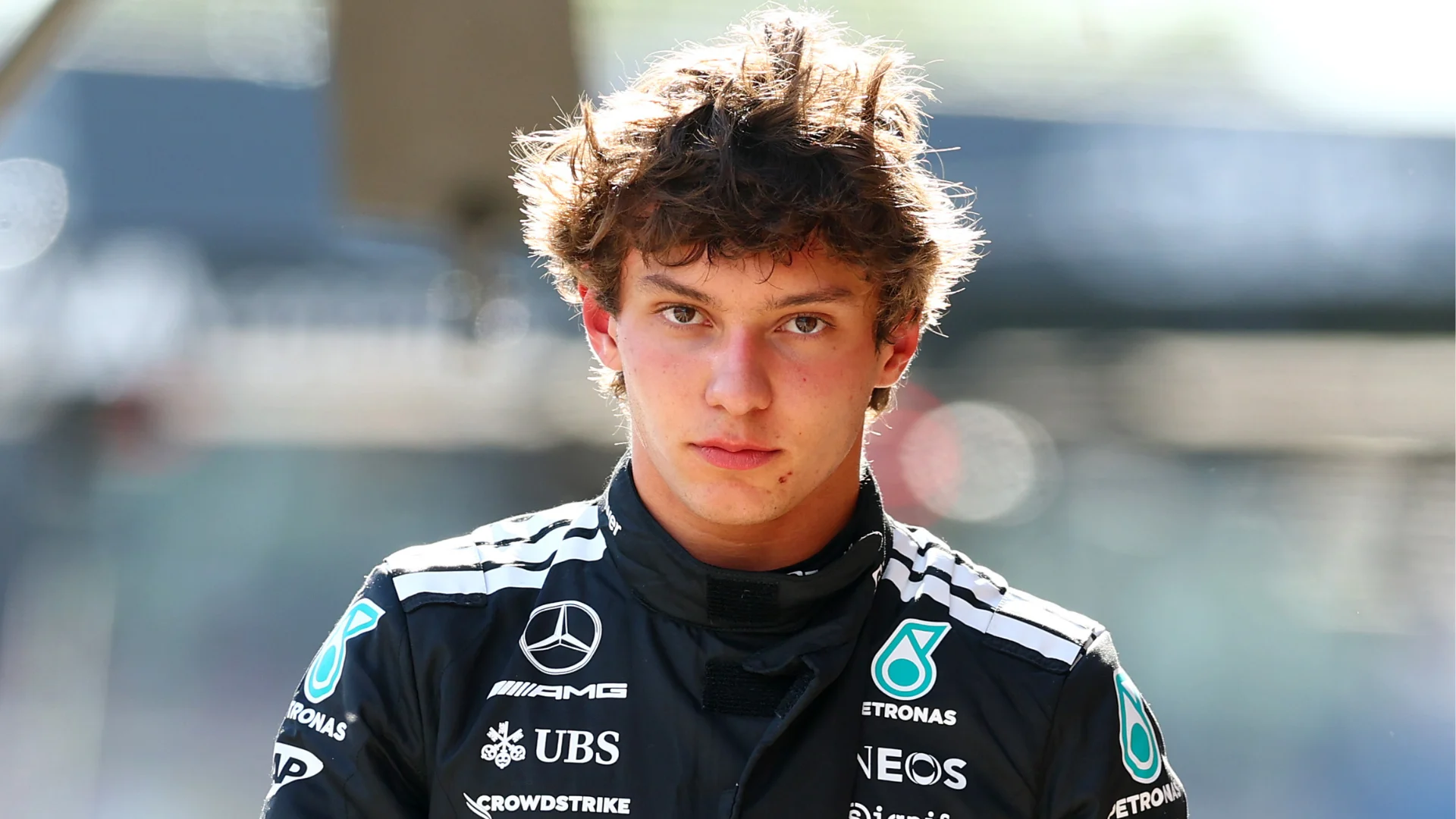
For weeks the build-up told the same story: Formula 1's 2026 cars would tear up Monaco's reputation as a procession. The FIA had even pulled the active-aero straight-line mode for this race alone, and the principality was supposed to be watchable again. Then Kimi Antonelli led every single lap from pole, won his fifth race on the bounce as the youngest driver ever to manage it, and handed the doubters precisely the kind of unbroken front-running they always complain about. So was Monaco actually fixed? The people who watched it closely don't agree.
Count Kym Illman among the converted. The photographer, who worked the weekend from inside Port Hercule, opened by repeating the case against the race. "The Monaco Grand Prix is a terrible race. It's a procession. It's boring. I will never watch it. I read so many comments like that on social media," he said. "And yet today, it just blew everybody out of the water." His reasoning had nothing to do with the rule book and everything to do with the track. Recalling a chat with 1996 world champion Damon Hill, Illman noted that Monaco punishes the tiniest slip like nowhere else: an error that costs you half a second in Melbourne or Austin puts you in the wall here.
The BBC booth felt it too. "My brain's still fried from those last 10 laps," lead commentator Harry Benjamin said on the Chequered Flag podcast. "What a Grand Prix that was." F1 correspondent Andrew Benson pointed the praise at the winner instead of the show. "The superlatives just keep coming for this young man," he said. "He's answered all the questions. This was an absolutely perfect weekend on every level." Benson added that George Russell had turned up trying to rattle his teammate, only to concede "within 48 hours or so" that he could not live with Antonelli's pace.
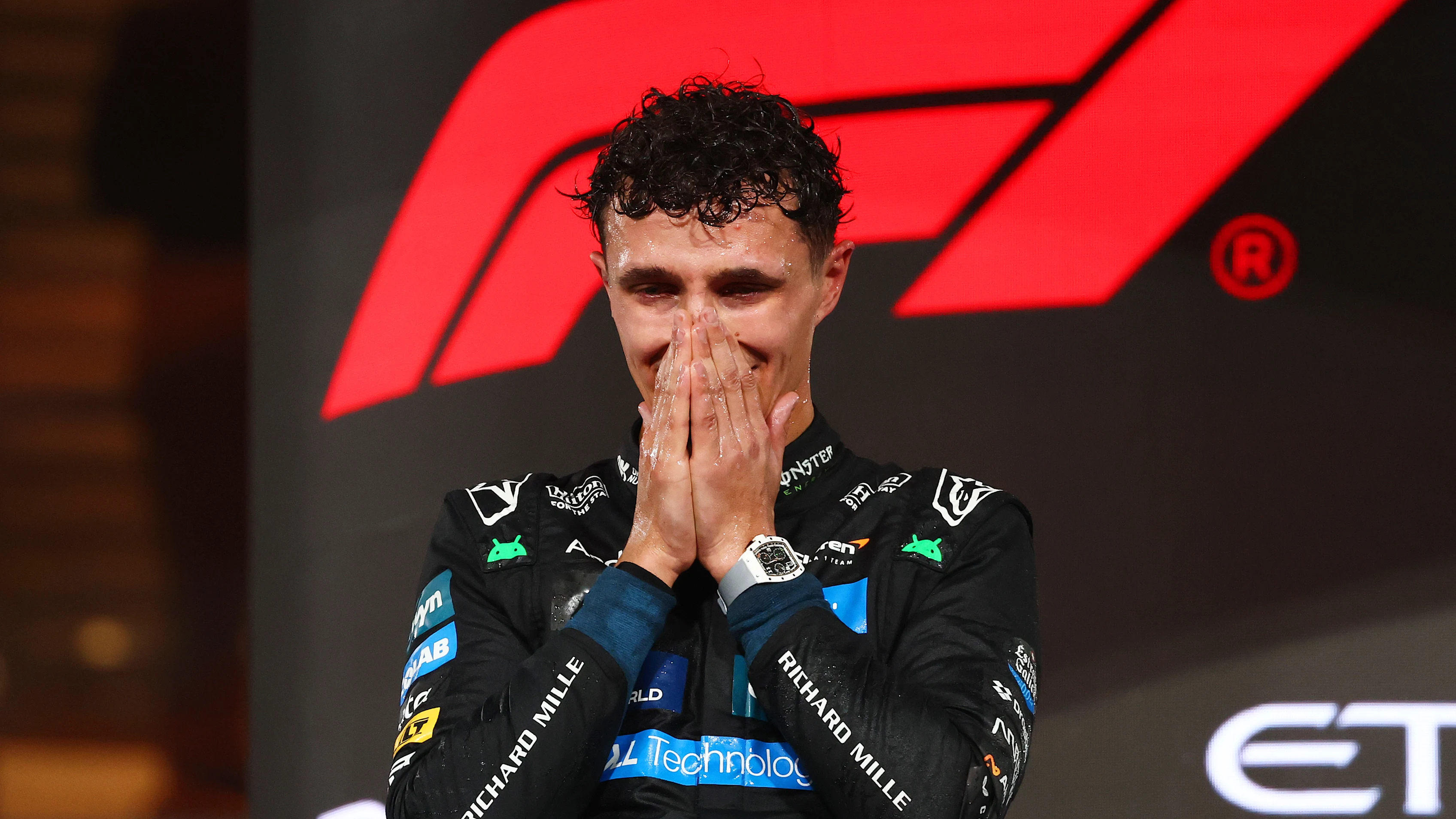
The dissent came from the P1 podcast. Hosts Matt and Tommy, who watched from trackside, were less swept up. "It feels like even though it was processional for a lot of it, we've got quite a few topics," one said. Their point: the entertainment was a by-product of things going wrong, not wheel-to-wheel racing. Max Verstappen's engine expired as the pack streamed away, cars found the barriers, a late red flag scrambled the running order, and penalties did the rest. "We expected just kind of lights to flag, normal, nothing happening," they said. "And at one point it generally felt like anyone could be on the podium based on all the penalties that were going on."
There is the heart of it. The chaos was genuine — Verstappen out on lap one, the crashes, Pierre Gasly taking the flag in third before a pit-lane penalty stripped his podium — yet hardly any of the order changed because one driver overtook another. Antonelli was never under threat for the lead.
Which leaves the verdict somewhere in the middle. Monaco 2026 was thoroughly watchable, and those unforgiving walls did exactly what Hill described. But the cars designed to run riot still couldn't pass on this circuit, and it took mayhem rather than the new formula to turn the afternoon into a classic. Whether that amounts to a fix is the debate that carries straight on to next year.