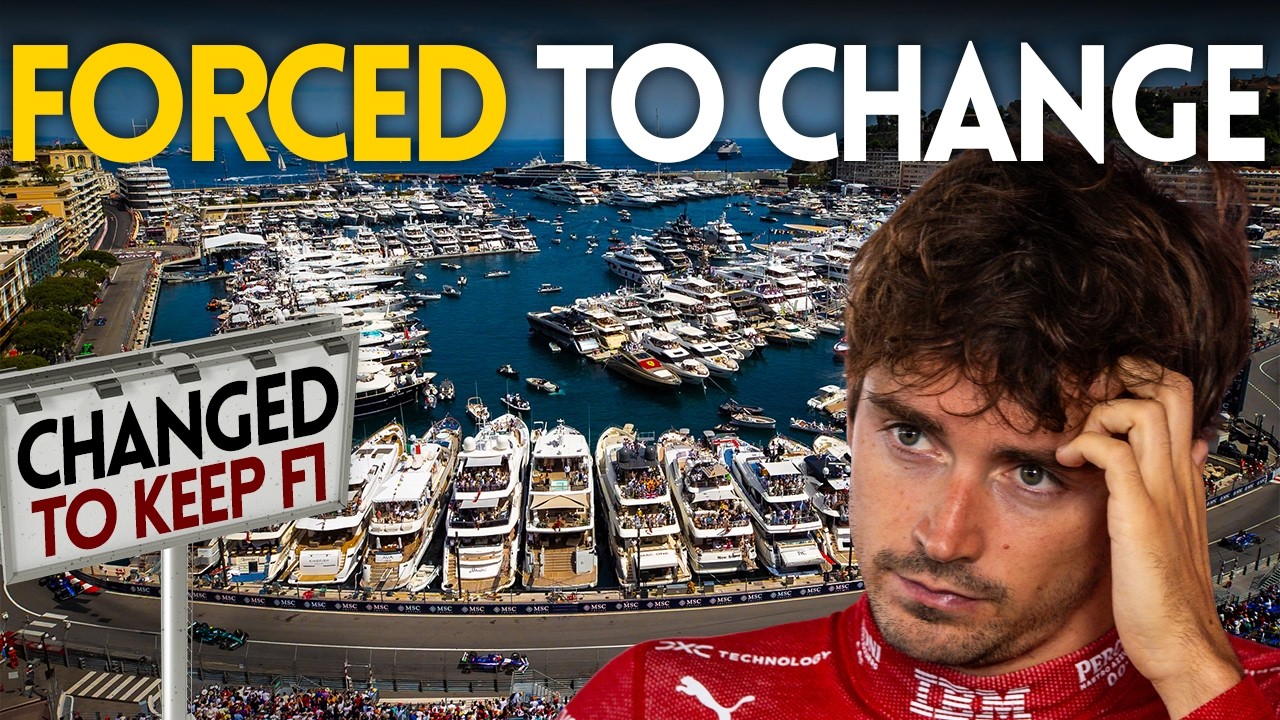
No race on the calendar trades on glamour quite like Monaco — the yachts, the celebrities, the wealth crammed into a few square kilometres of harbour. But sustaining that spectacle has come at a price, and the principality has quietly given up more than most fans realise to keep Formula 1 coming back.
For years the Automobile Club de Monaco called the shots. It fixed the date in late May, controlled the hospitality and signage, and produced the television feed itself — a level of independence no other host enjoyed. That era is over. As veteran paddock photographer Kym Illman put it, the power has swung firmly towards the championship.
"Monaco has changed. It had to, to keep this event," Illman observed from the waterfront. Formula 1 has reclaimed the television production, absorbing one of Monaco's most valuable assets into its own global broadcast operation.
Cadillac's arrival as the grid's eleventh team created a second, more tangible headache. More cars demand more paddock, and in a country where land is measured in metres, that space had to come from somewhere. The answer was blunt: a kindergarten and a school were torn down to clear room, with demolition starting the Monday after last year's race and the pupils moved to alternative premises.
Where the classrooms once stood now sits a gleaming three-storey paddock club, reportedly built at a cost of around 10 million euros. The previous facility had simply grown too cramped for a sport that refuses to stop expanding.
The track remains Monaco's immovable object. Among the shortest layouts in the championship, there is virtually no scope to lengthen it, hemmed in as it is by barriers, harbour and hillside. The only nod to better racing in 2026 comes from the machinery: cars ten centimetres narrower than before, a tweak the paddock hopes will buy drivers a sliver more room on a circuit where passing is close to impossible.
For all that has changed, the flavour of the weekend has not. Drivers rolled into the paddock on Friday by bicycle, on foot and by elegant tenders gliding in from the water. That theatre is precisely the point — even those who deride Monaco as a procession concede the setting is like nothing else in the sport.

Which is why both sides keep finding a way. Monaco is small, and to retain the biggest annual event in world sport it has surrendered control it once guarded fiercely and demolished buildings to make room. The glitz survives intact — but the Grand Prix that returns each May now runs increasingly to Formula 1's script rather than the principality's.