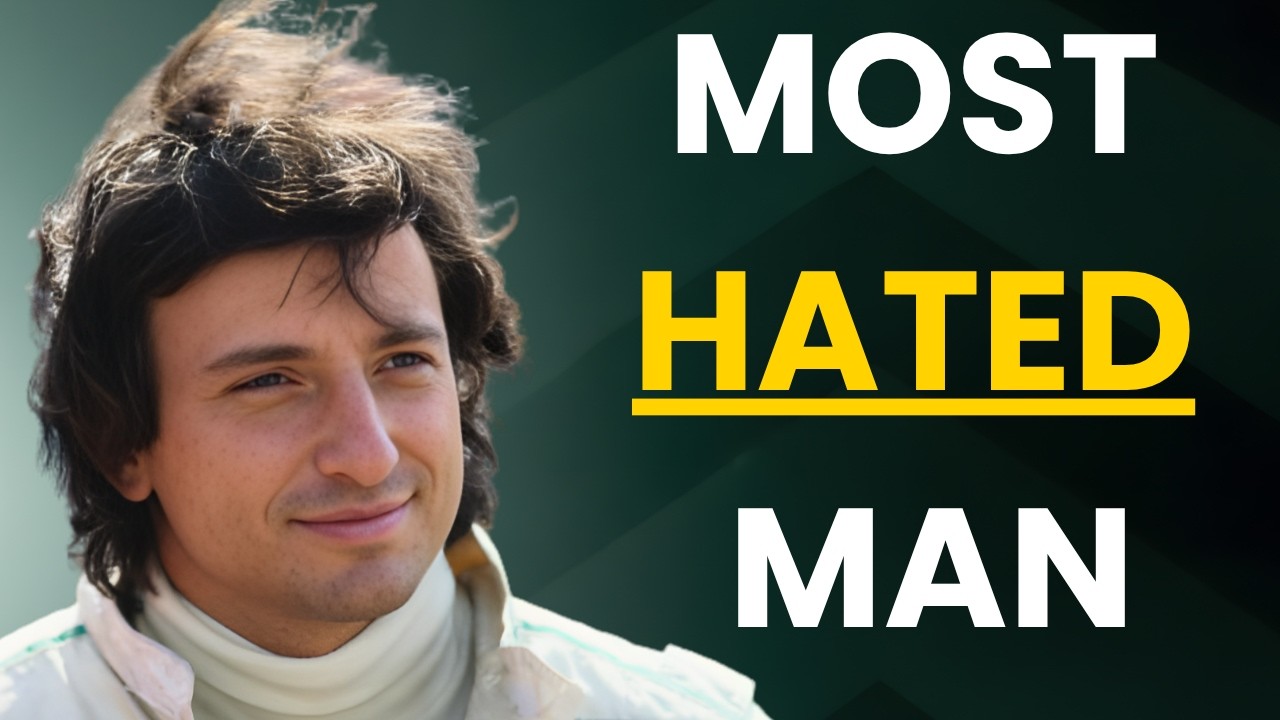
Ricardo Patrese was 24 years old when Formula 1's most famous drivers decided they wanted him out of the sport. The Circuit Stories YouTube channel has now revisited that chapter in a documentary that has drawn fresh attention to one of F1's uglier episodes — and quietly reframed one of its longest-serving drivers.
The setting was Monza, 1978. Ronnie Peterson, beloved across the sport, died from complications of injuries sustained at the start of the Italian Grand Prix. In the raw, compressed days that followed, the driver paddock agreed informally that the crash had been caused by Patrese's aggressive driving. James Hunt, one of the most persuasive voices in the group, led the call to action.
"They demanded Patrese be removed from F1," Circuit Stories' narrator recounts. The Italian was banned from the next race — the United States Grand Prix — and his career appeared, at that moment, to be stillborn.
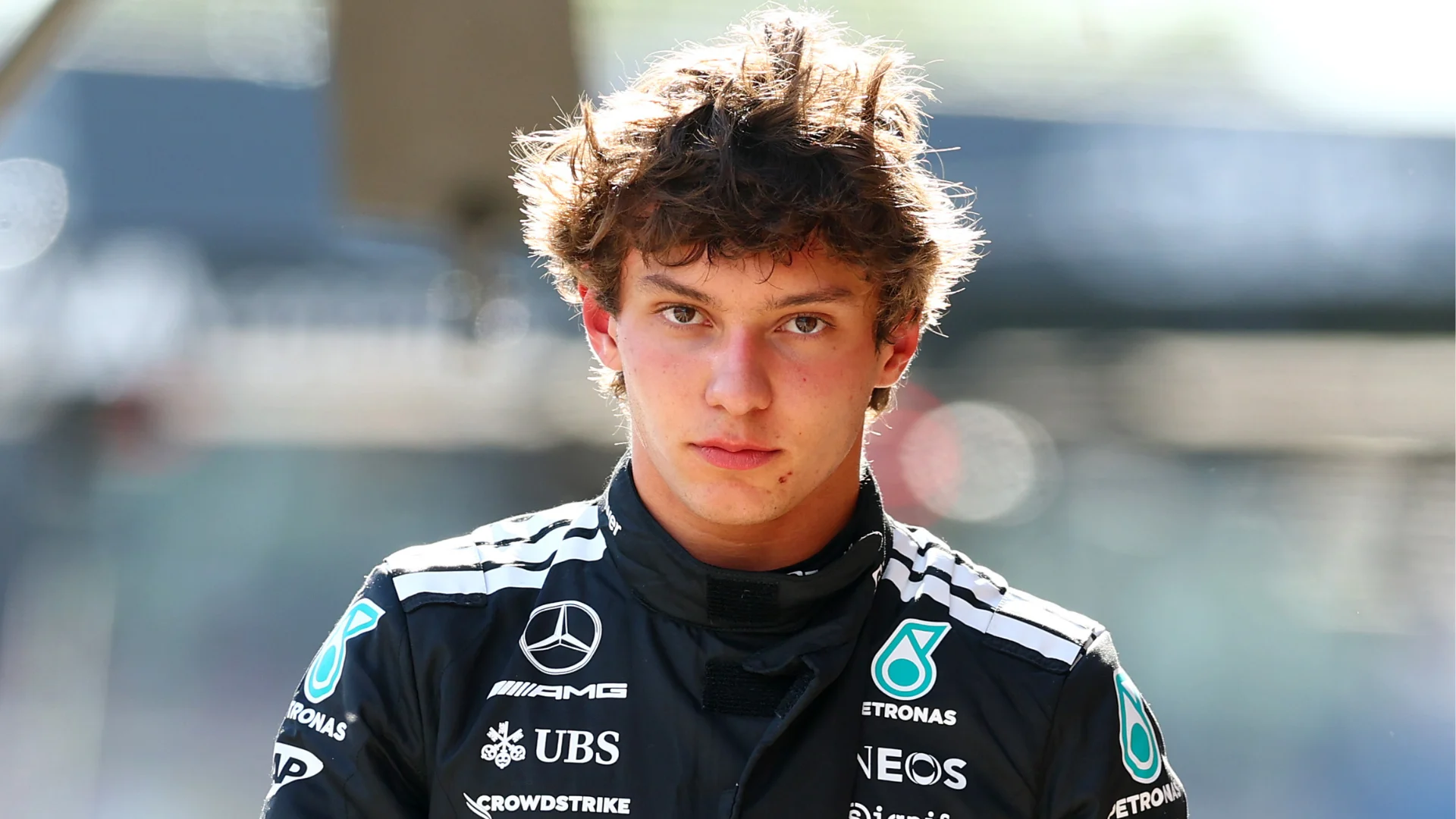
The advice he received from respected friends was unambiguous. "You have a big problem. Say you were wrong. Apologise." Patrese would not. His read of the incident then, and in every interview since, is that he had done nothing that warranted either ban or apology. Later review and, over time, many of the same drivers who signed the original petition, came to agree.
Circuit Stories frames the aftermath as a quiet, slow-burning revenge. "Patrese became most feared despite being banned," the documentary records. The same drivers who had tried to freeze him out soon found themselves racing a Patrese who had very little patience left for their approval.
The documentary's sharpest moment comes, not from Patrese himself, but from a careful reappraisal of James Hunt. "Hunt's hatred was unjustified," the producers argue, drawing on contemporary accounts. "Patrese genuinely decent."
The character witnesses who appear in the film use plain language. "A good man, genuine, honest, true," one old friend says of Patrese — a sentence that carries more weight in its simplicity than any paddock rumour. It is the kind of judgement former competitors offer only when they are certain and only when it no longer matters whether anyone is listening.
Nigel Mansell's perspective arrives as an almost private admission. Williams team-mates during the Grove outfit's dominant early-1990s era, Mansell and Patrese were forced to measure themselves against each other lap after lap. Mansell, never one to understate his own hierarchy, eventually came to a quiet realisation. "Mansell realised Patrese was his most dangerous rival," the documentary notes — a verdict that cut against every pundit who insisted the Italian was a reliable number two.
The film's closing frame is a historian's summary. "Enormously talented, but always in the wrong place at the wrong time," one contributor says of Patrese — a driver who retired with six Grand Prix wins, 37 podiums and one of the longest continuous tenures in F1 history, yet never the world championship most of his peers suspected he deserved.
The Circuit Stories documentary is not a glossy rehabilitation. Patrese has not needed one in Italy for decades, and his name remains quietly revered in the sport's old-guard circles. What it does do, and usefully, is remind a generation of newer fans that the collective judgement of a Formula 1 paddock in the heat of tragedy is not the same thing as justice. Sometimes it is not even close.