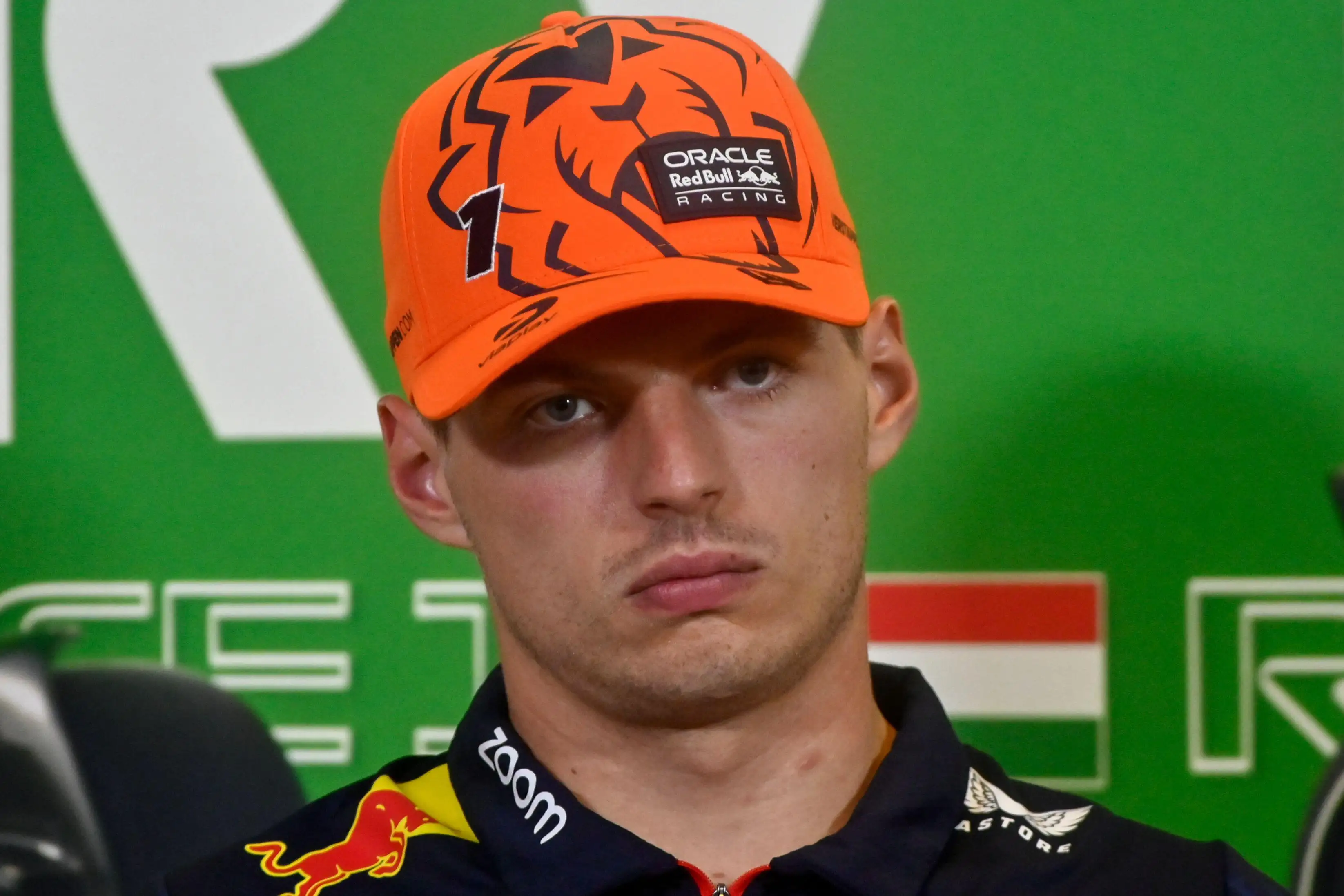
There is a particular shape to a Red Bull crisis. It begins with a leak, moves through an awkward paddock week, and either ends in a rapid upgrade recovery or in a longer public conversation about why it is not recovering. The 2026 Red Bull has entered that cycle this week, and the first confirmation of the leak came from a Mercedes driver.
Asked at Suzuka whether the early-season Mercedes advantage over the rest of the grid could last, George Russell was careful — and very deliberately, specific.
"Right now as Mercedes we have a small advantage over Ferrari and a good advantage over everyone else," he said. "But these things change so quickly. You know, we saw in the press last week, it was leaked a bit about Red Bull being a bit overweight. So they could probably improve this quite quickly and they look fast in Melbourne. McLaren still haven't brought any updates to the car and they obviously have a Mercedes engine in the back."
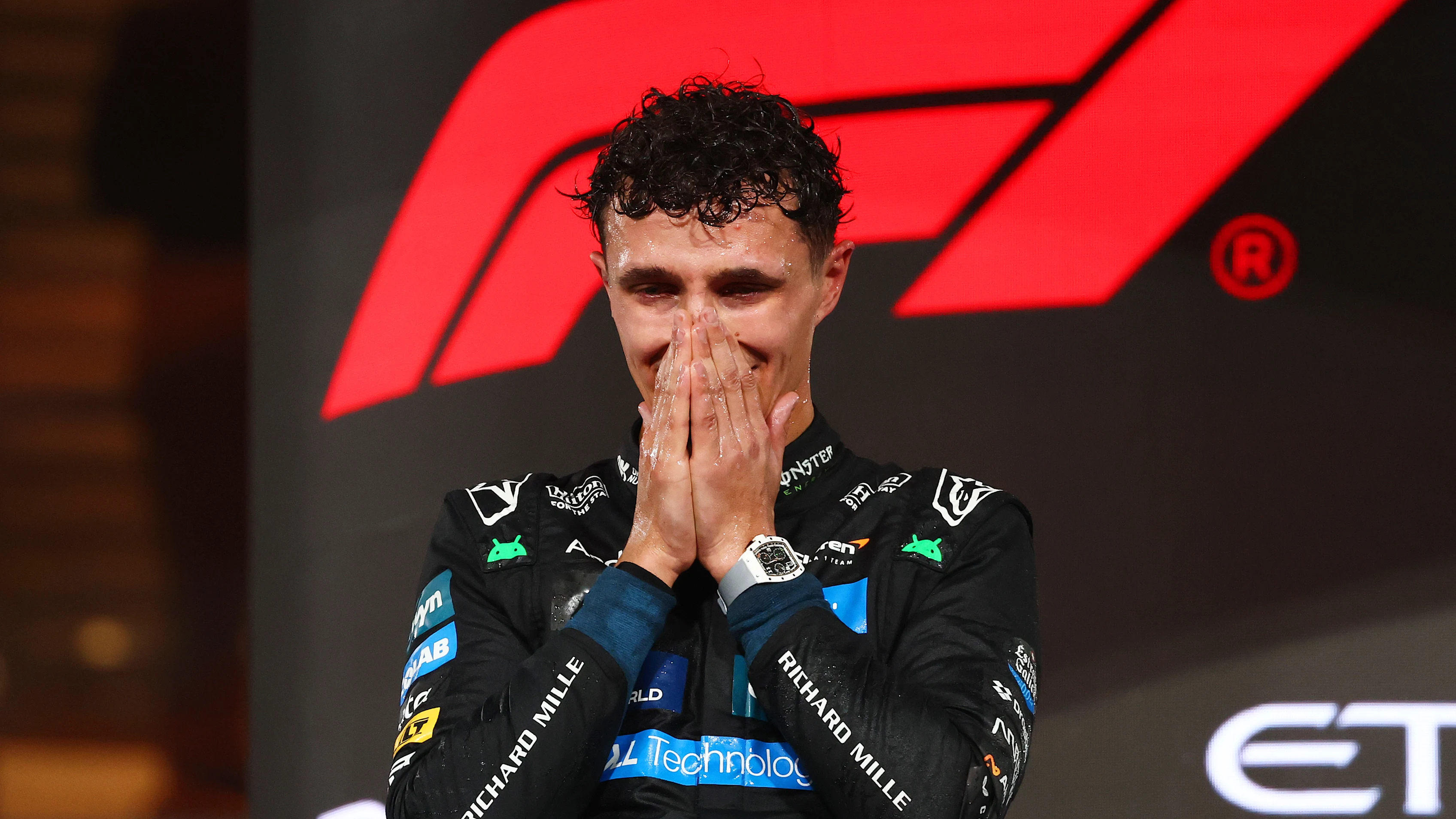
Russell did not originate the leak. He referenced it. But in F1, a title-contending driver referencing a rival team's press leak on the record is the moment the story becomes official. The Red Bull weight problem is no longer an anonymous source's claim; it is, as of this weekend, a thing Mercedes drivers talk about to reporters on camera.
The follow-up, which filled in the broader picture, came from independent analysis. On his weekly F1 show, LawVS treated the weight issue as one symptom of a much bigger technical problem.
"Yes, the RB22 is — um, it is struggling with weight, and I think — even though on Mekies' I saw like a ping on Twitter that they said that they are basically struggling in all areas," LawVS said.
"Mekies" is Laurent Mekies, Red Bull Racing's current team principal. The Twitter exchange LawVS was citing — widely shared in F1 analyst circles before Suzuka — briefly appeared to extend Red Bull's own internal acknowledgement of the struggle beyond weight alone and into chassis behaviour, aerodynamic correlation, and power unit deployment. That is, in short, every major system on the car.

The technical context makes the problem harder, not easier. Red Bull brought its first major upgrade package to the opening races of 2026. That package has not delivered the headline lap-time gains the team targeted, and independent engineers on the paddock have quietly described it as underwhelming. Verstappen's own assessment of the car — "not sustainable" — was delivered to reporters at Suzuka earlier in the weekend.
Weight, under the 2026 regulations, is the hardest single property to fix mid-season. The minimum weight limits are already binding. Any excess weight on a specific chassis is structural, embedded inside the monocoque, the ERS packaging, the cooling system. Removing it typically requires a six-to-eight-week engineering sprint at minimum, and, in more serious cases, a revised reference chassis — a B-spec.
Russell's phrasing suggests he believes Red Bull's weight problem is the faster-to-fix kind. His reference to Melbourne pace — where the RB22 had looked more competitive — supports that reading. LawVS's independent reading is less generous, placing weight alongside a wider list of faults that would require multiple intersecting upgrades to fix, not just a single lightness programme.
Neither interpretation makes the coming five weeks comfortable for Red Bull. Between Suzuka and the Miami Grand Prix, the Milton Keynes team has a single short window in which to produce a meaningful technical answer. Whether the car turning up in Miami looks visibly lighter, more aerodynamically balanced and better at deploying its power unit will be the first real public verdict on how deep the 2026 crisis goes.
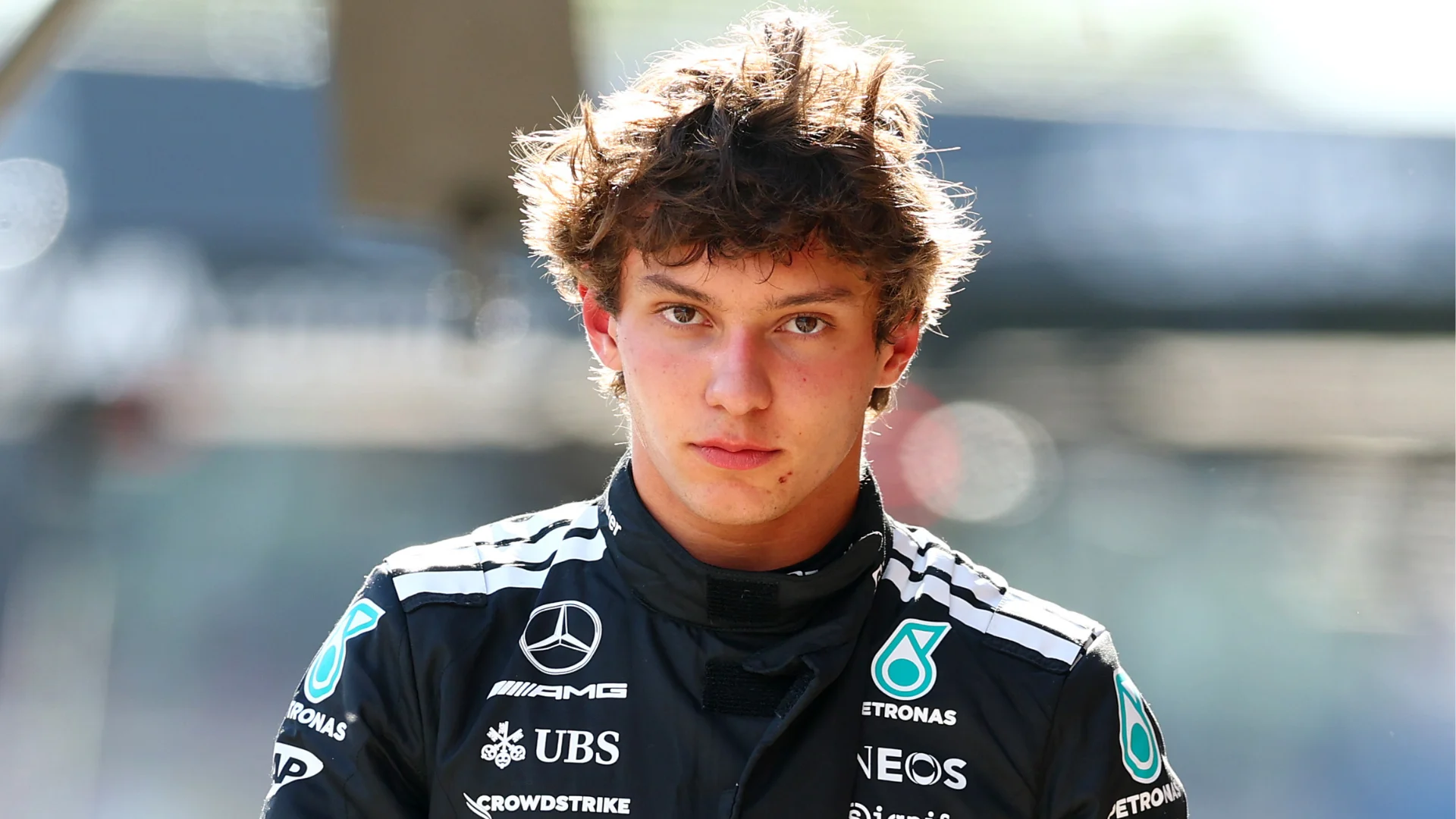
A paddock leak that a rival title contender chooses to repeat on the record is never accidental. It is, in the careful way F1 stories are placed, a reminder that the 2026 championship is not a one-team sprint. Red Bull's response — and the timing of the Mekies administration's first real upgrade breakthrough — is now the subplot running underneath the Mercedes-Ferrari-McLaren fight at the front.