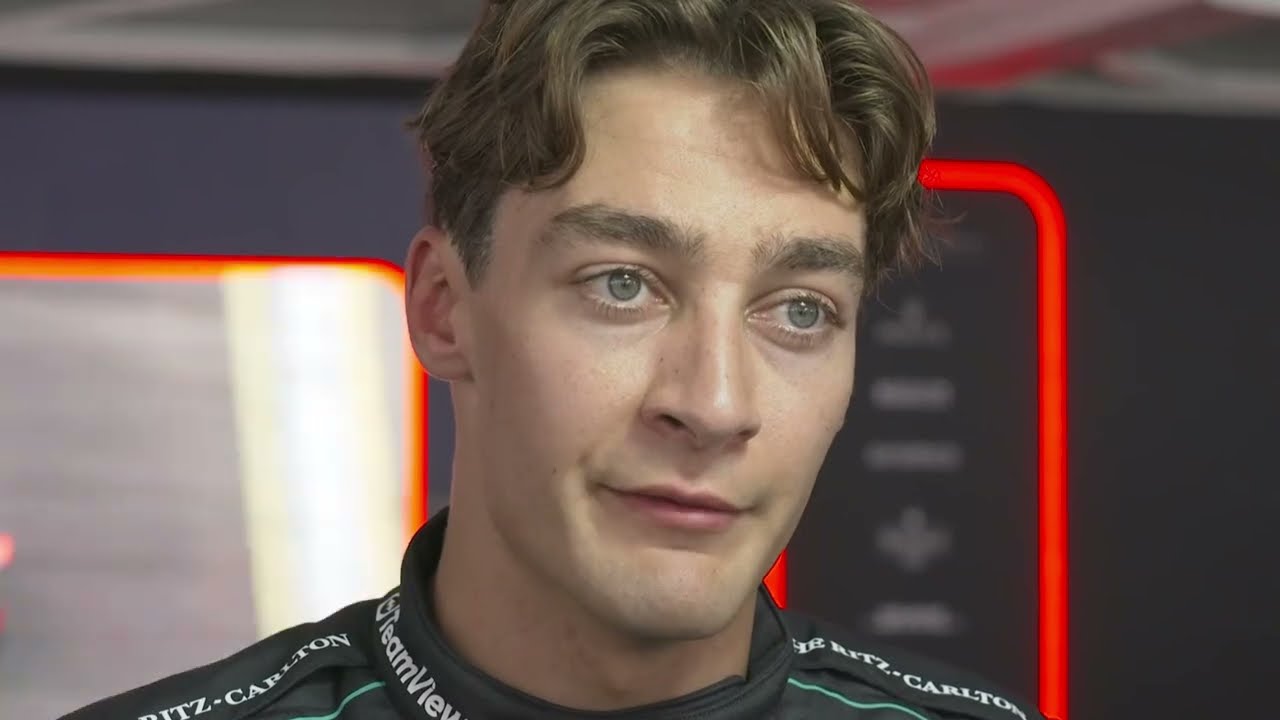
George Russell wants the FIA to change one of the quietest rules in the 2026 Formula 1 regulations, and he wants it changed soon. At the heart of his argument is a phrase most fans had not heard before Suzuka: the harvest limit.
The Mercedes driver has been candid about how the rule cost him a likely Japanese Grand Prix win. "I mean everything that could go wrong did go wrong," he told reporters. "Obviously we both made bad starts. Mine was slightly less bad. Safety car timing restart. I got a harvest limit which meant I couldn't recharge my battery, and similar to what's happened to some drivers at the race starts, I had to manage my energy."
The rule itself exists for a reasonable purpose. It prevents teams from banking unlimited battery charge during qualifying laps, which would otherwise make the 2026 power unit's deployment strategy pointlessly one-sided. The problem, Russell argues, is that the same cap is being applied at moments when no racing is actually happening.
"No harvest limit on formation lap and under safety car," he insisted. "You understand why you need to have a harvest limit on your fast laps, but it makes no sense for formation lap and race and safety car. Just causes a bit of a problem."
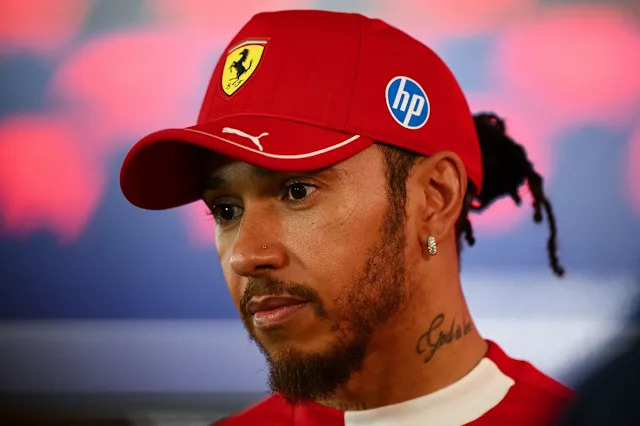
Russell is not the only driver making that case. F1 Love's paddock coverage captured another driver, audio partially obscured on the broadcast, articulating the same complaint in more colourful terms. It was, they said, "the most frustrating race in a long time" because "one lap difference and uh probably race win. To be honest. And then safety car restart hit what's called a harvest limit. So I couldn't charge my battery. So I got flew by Lewis, passed me."
The frustration has a paradox embedded in it. The 2026 regulations are producing some of the most visually rewarding energy-management moments F1 has ever put on screen. Oscar Piastri's defensive lesson against Russell later in the race depended on exactly the kind of real-time harvest-and-deploy choice the rules are meant to encourage.
"Oscar's very clever at this moment," the Formula 1 commentary team pointed out. "He just sees this one coming, slows the car down a little bit more, harvests a little bit more energy, and then he has plenty to deploy on the way out of this corner. And he simply yo-yos straight back past George Russell."
Broadcast graphics are increasingly showing these choices to viewers. "You can see the McLaren deploy the battery there. That's interesting," one pundit noted during the Suzuka feed. The new transparency has turned the energy layer of F1 into genuine content.
Russell's argument is not that the rule book is wrong in spirit. It is that one specific edge case — safety cars and formation laps, where no competitive racing is going on — is producing outcomes that look less like racing and more like random punishment. With several drivers privately backing him and the FIA's Monday technical meetings offering a standing forum, pressure is building for a targeted fix.
Russell, never one to spin his frustration, keeps returning to the same four words. "Just cause a bit of a problem." From a driver who chooses his words as carefully as he chooses his race lines, that is about as loud as it gets.