7 articles
As Formula 1 prepares for the 2026 season, teams are unveiling innovative designs that might redefine competition. Insights from team strategies indicate how differences in regulations impact car performance.
As the F1 season progresses toward 2026, teams navigate a complex balance of developing their 2025 cars and preparing for new regulations. Here’s how they approached the challenges.
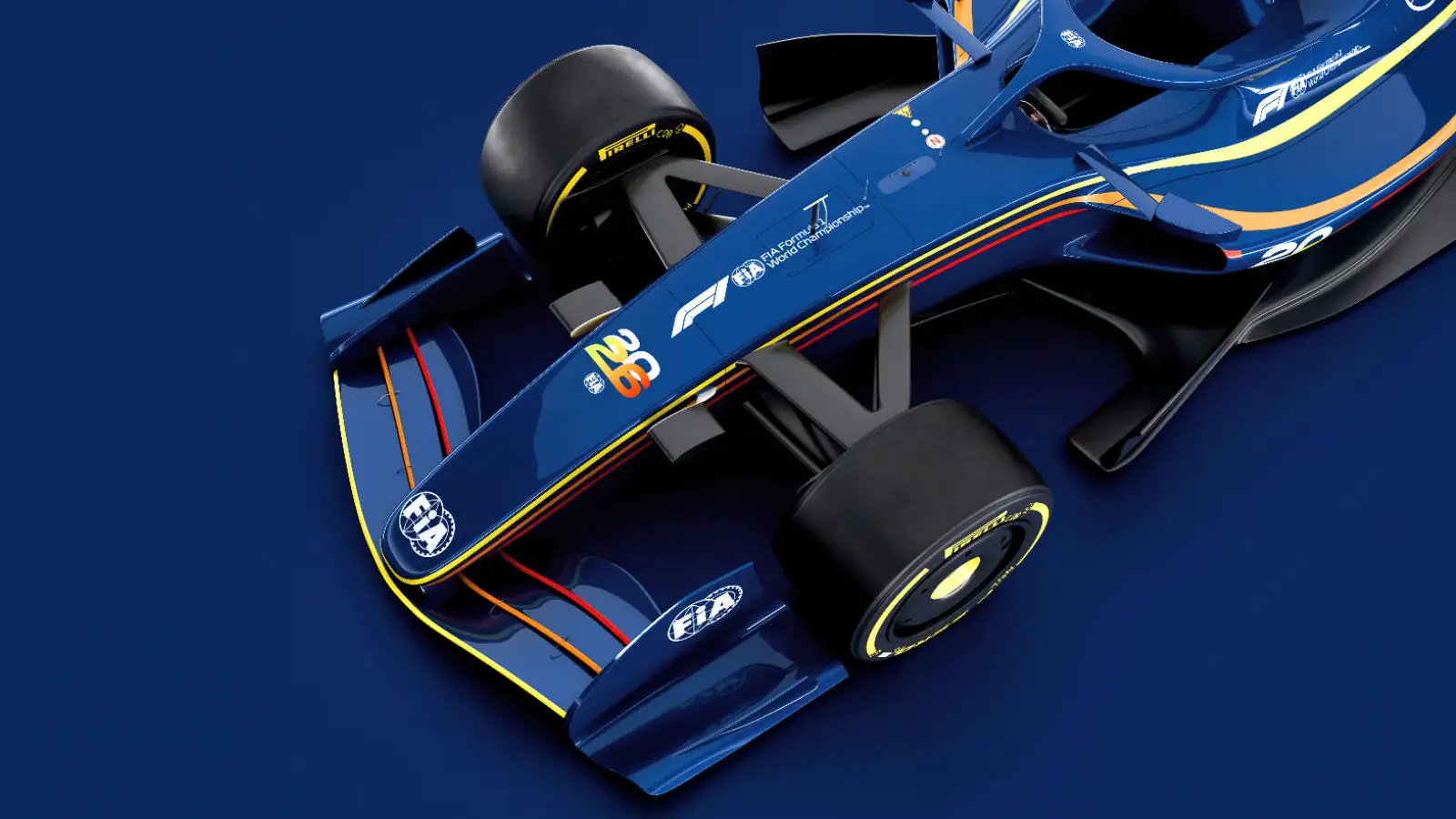
As F1 gears up for the 2026 season, teams face monumental challenges due to sweeping regulatory changes. From power unit specifications to aerodynamic enhancements, the landscape is shifting dramatically.
The 2025 Formula 1 season brings several significant regulatory changes. Notably, the fastest lap bonus is scrapped, and new driver cooling systems are introduced.
As the 2025 Formula 1 season approaches, several changes to regulations have been introduced that teams need to prepare for. These revisions come as the sport gears up for a significant overhaul in 2026.
The upcoming 2026 season in Formula 1 will bring significant regulatory changes, particularly in engine specifications and tyre designs. Here's a detailed look at what these adjustments entail and their potential impact on teams and drivers.
The 2023 Formula 1 season introduces significant changes in regulations aimed at enhancing competition. Key adjustments focus on car design and performance.