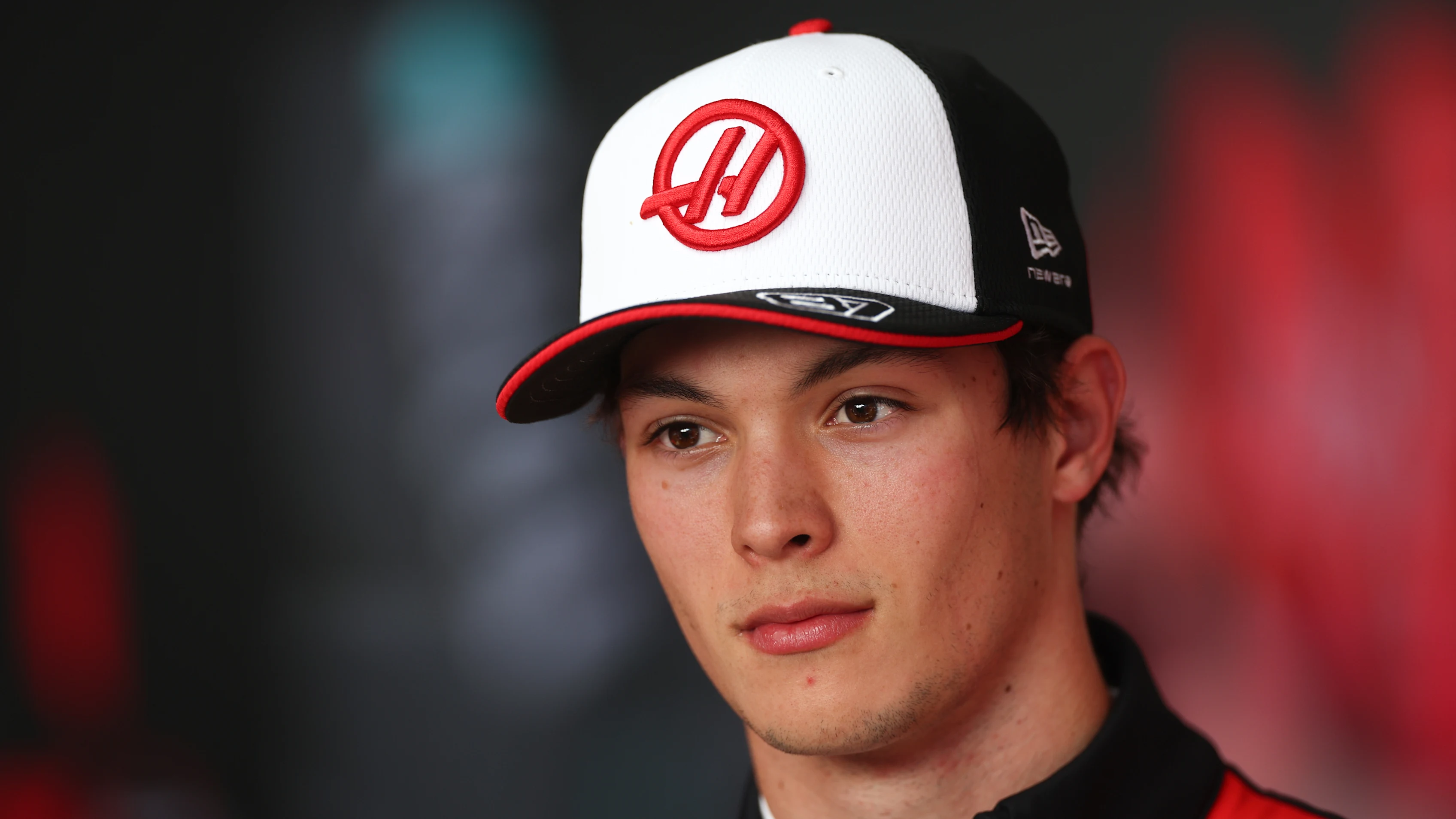
Oliver Bearman has signalled a clear change of tone heading into his second F1 campaign, sitting down with Haas for the team's in-house "The Journey" interview and openly describing how a debut season has rewired the way he operates inside a Formula 1 garage.
The 21-year-old, who scored a P6 in the Netherlands and finished his rookie year inside Haas' expanding factory operation, framed 2025 as a year of forced maturity — not just a year of laps.
"It was a big year for myself and I think it's probably the most learning that I'll ever do in a year," Bearman said. "It's my first time stepping into Formula 1, and the first and the last time that I'll have that experience. I matured a lot."
The biggest culture shock, he said, was the size of the operation around him.
"I've gone from a team in F2 with 20 people coming to the track — of course the team was very big back at the factory, but trackside there were 20 people — and now that number is tripled at least," he said. "We also have almost 400 staff back at home. The team has grown exponentially. The developments we make on the car directly come as an influence of what we're saying as drivers."
Inheriting that lead-driver responsibility, he conceded, took longer than the headlines suggested.
"It's tough to assume it automatically. It takes a while, and I think I took the position well, but it's not overnight that it happens," Bearman said. "It definitely took a good few races to understand my position within the team, and that position is very different to what it is in lower categories."
The most concrete behavioural change he flagged is a new willingness to challenge the team rather than defer to it.
"Now I'm someone who's more outgoing, less afraid to speak up and to give my opinion," Bearman said. "It's tough to feel like your opinion will be valued straight away. It's just natural that you're coming in as a kid basically, and you need to earn that. I'm just a bit more outspoken, I understand a bit more what I want, so I can be a bit more picky in terms of how should we approach weekends, how should we set the car up."
The 2026 regulation reset — a change his rivals have already navigated multiple times — is one of the few areas where he is the least experienced driver in the room. He framed that as upside, not exposure.
"This is my first regulation change, and some of my competitors have been through two or three or four of them," he said. "This will be a very new experience for me, and that excites me because it's a great opportunity to learn. Hopefully throughout my career there'll be lots of these changes, and it means that I've been there for a while."
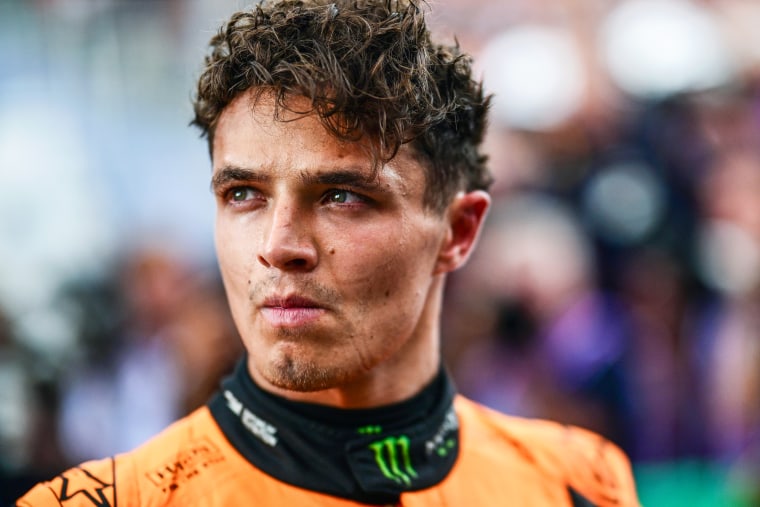
Asked whether the constant churn of new cars and categories was draining, he said it was simply his normal.
"I'm kind of used to it. I've been changing category, changing car pretty much every year in the last five or six years," Bearman said. "It would have been strange to have the same car twice in a row, because I've never had that before."
The most striking line of the interview, however, came when he was pressed on what targets he sets himself.
"I have a goal in life, in my career, but it's a long-term goal," Bearman said. "My goal in life is to become a world champion. But that's not an overnight process, and that's not my goal for this year. I think it would be unrealistic. I feel like this stage is a stage where I'm building the foundations to hopefully one day be in a position to do that."
He also rejected the idea of treating any given Sunday as a numbered objective.
"I'm not the type of person to sit there and say, 'Okay, I want to finish sixth this race,'" he said. "It's a bit bigger picture than that. I want to make another step closer to my dream, and the only way I can do that is by increasing my consistency and improving the way I communicate with the team. The full package has to be there if you want to ever be in the position to win a world championship."
For Haas, the rhetorical shift is significant. After a 2025 framed by survival and learning, the team's second-year driver is publicly using the language of a long-term title bid — from inside their own content channel.