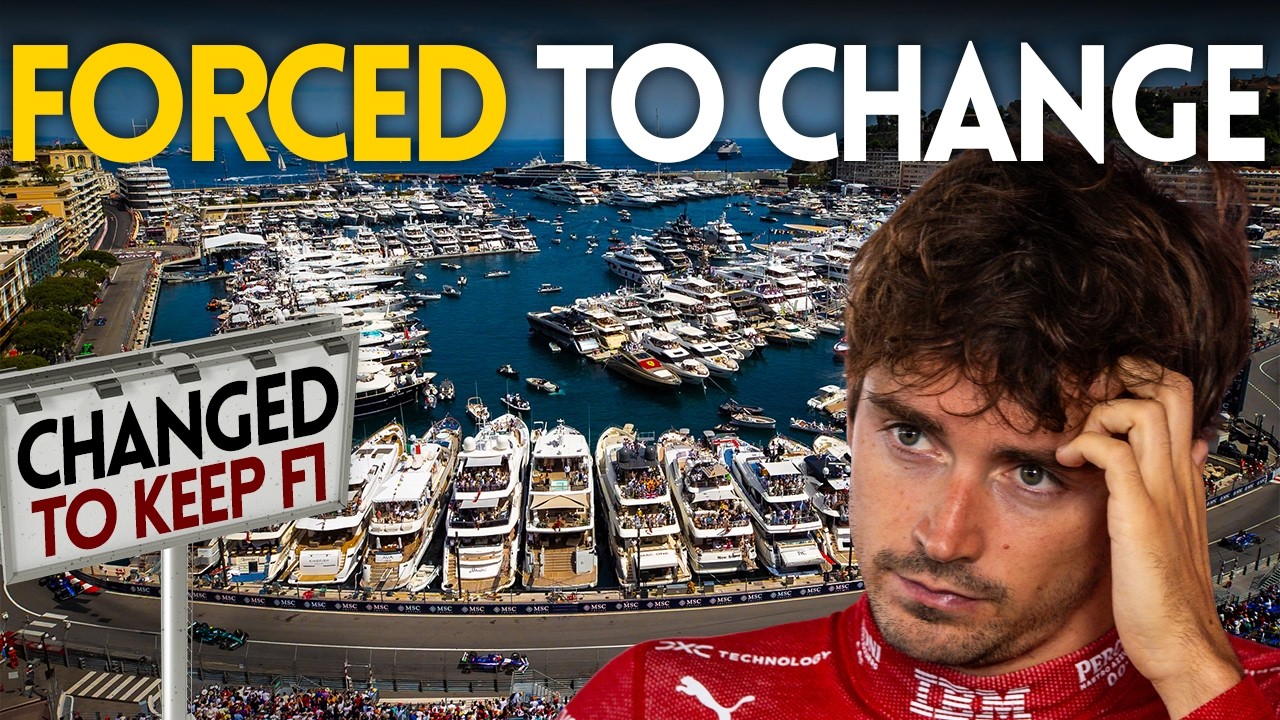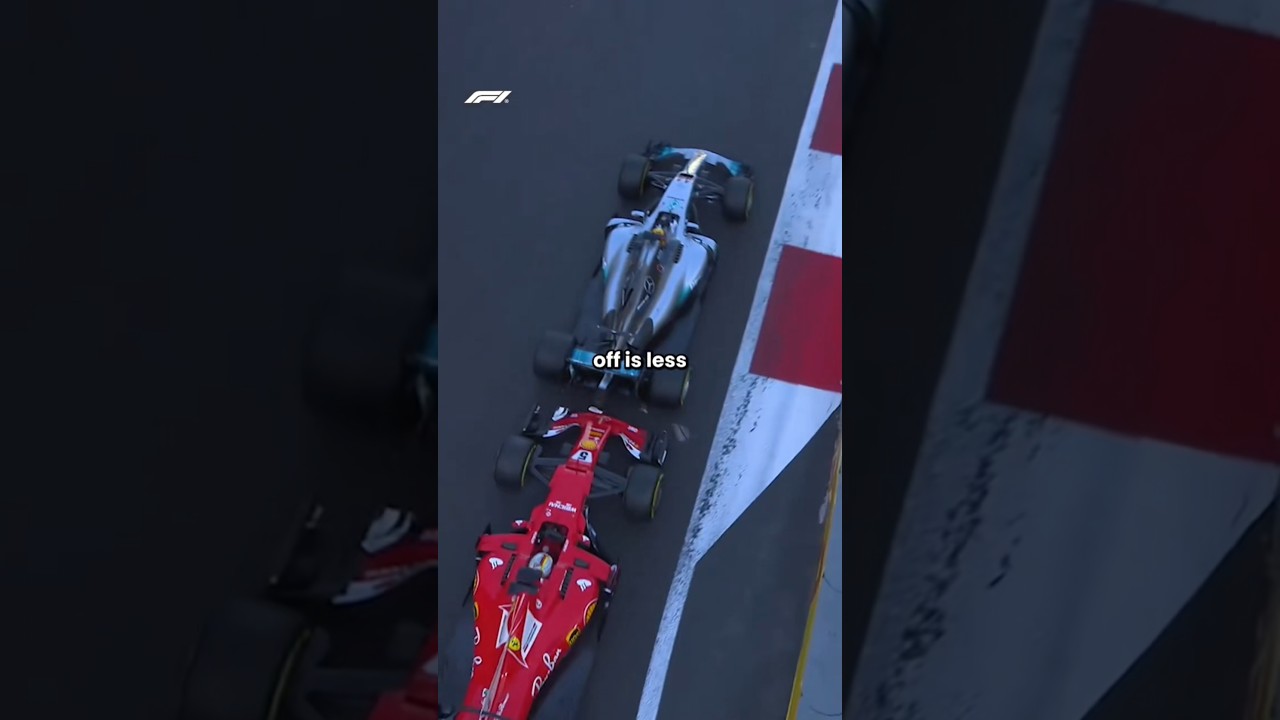
If Formula 1's first few race weekends of 2026 have felt subtly slower on television, that is not an illusion. The underlying stopwatch data from pre-season confirmed it — and a recent Red Sector YouTube analysis has traced the full picture back to a deliberate FIA decision that is no longer reversible.
The raw numbers from Barcelona testing set the tone. The fastest 2026 lap of the session was close to two seconds off the quickest 2025 benchmark at the same circuit. That is a generational drop, not a tenths-level regression — and it landed even though teams had known for months that some slowdown was inevitable.
"During Barcelona testing, the fastest 2026 lap times were nearly two seconds slower than 2025's quickest times at the same circuit," the Red Sector narrator put it plainly. "Teams knew the cars would be slower, but nobody expected this much of a drop off."
The cause, Red Sector argues, is not one specific change but the cumulative effect of the 2026 package. Lighter chassis. An internal combustion / electric split that delivers roughly half of total output from the battery. Tighter aerodynamic constraints meant to reduce dirty-air effects. Each individual trade-off is defensible. Together, they have produced a car that is measurably less quick through a lap than its predecessor.
What makes the picture uncomfortable is the FIA's own messaging around the regulations. The governing body designed the slowdown deliberately, Red Sector maintains, and cannot simply undo it now.
"The FIA can't reverse course now because the regulations are locked in," Red Sector's analysis concluded. "The reason for the slowdown is sustainability optics. The FIA wants F1 to appear more environmentally conscious, so they prioritise efficiency over raw performance."
That framing matters because it helps explain why the FIA's current emergency meetings — held in early April ahead of the Miami Grand Prix — are focused almost entirely on deployment algorithms, qualifying energy allowances and battery harvest rules rather than on the underlying car itself. The base regulations, from aero package to mandated weight, are essentially untouchable until 2030 at the earliest.

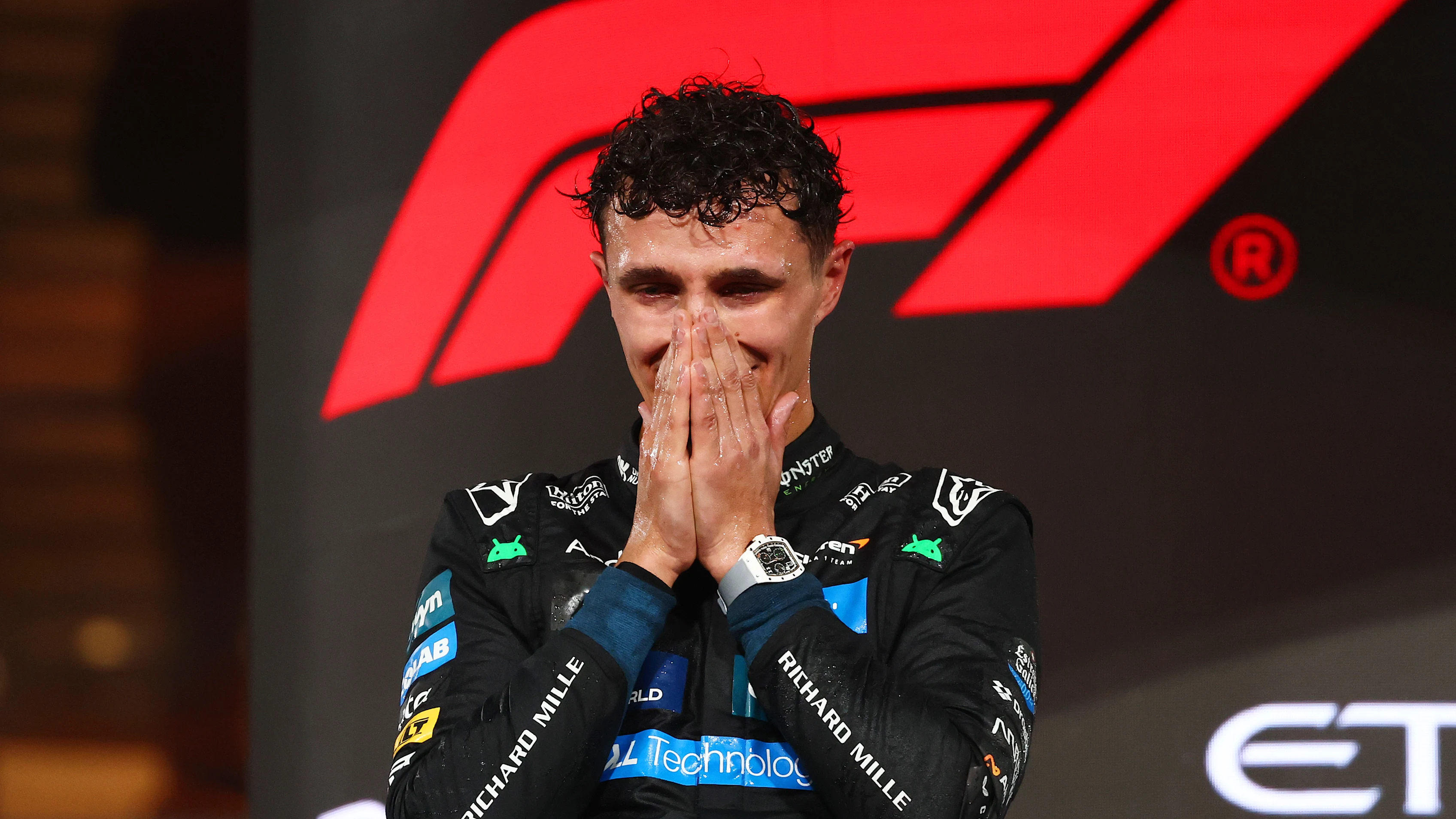
The paddock response has been instructive. Lando Norris has been publicly pained by the visible speed drop-offs on straights.
"It hurts your soul to see such a stark speed tail off on straights," the McLaren driver said. "It looks worst of all on the onboard cameras when they're working — with the painfully unmissable sound of the engine note falling away."
Charles Leclerc has focused his criticism on the algorithmic behaviour of the power deployment. The Ferrari driver described it as "a bit silly" that briefly lifting off the throttle pedal could knock him outside the software threshold that allows for full power deployment, meaning the system would subsequently burn energy at the wrong point on the next lap.
The fan reaction has tracked predictably. Red Sector notes that complaints of races being "boring" have multiplied rapidly on social media — often among viewers whose connection to the sport is less about lap-time data than about the audible, visceral sense that cars look fast. Two seconds per lap is plenty for that sensation to be affected.

Some in the paddock have tried to reframe the situation more positively. One argument picked up by THE RACE suggests that viewers would rather watch a slower car being driven to its absolute limit than a faster one being nursed around to make the power unit survive a race stint. That is a philosophical argument, not a performance argument, and the FIA will need both.
For now, the constructor teams are doing what they always do — looking for every tenth in the margins available to them. Driver coaching, energy management software, bespoke aero efficiency work through the medium-speed corners, and the careful art of discovering how hard each engine and gearbox truly can be pushed before the deployment rules bite.
The Red Sector verdict, stripped of rhetoric, is simple. The 2026 cars are slower by design. The FIA cannot now pretend otherwise. And the question of how quickly that design choice proves costly at the gate — in viewership, in commercial interest, in fan sentiment — is the one the governing body will be asked to answer through the rest of the year.