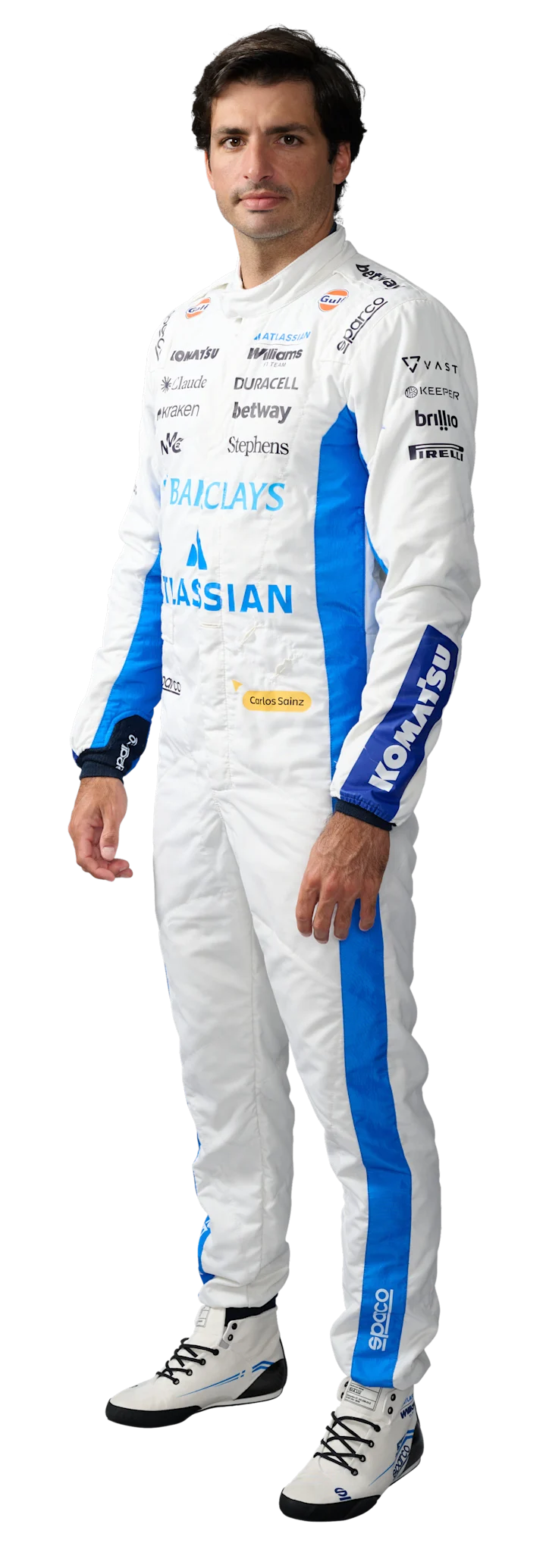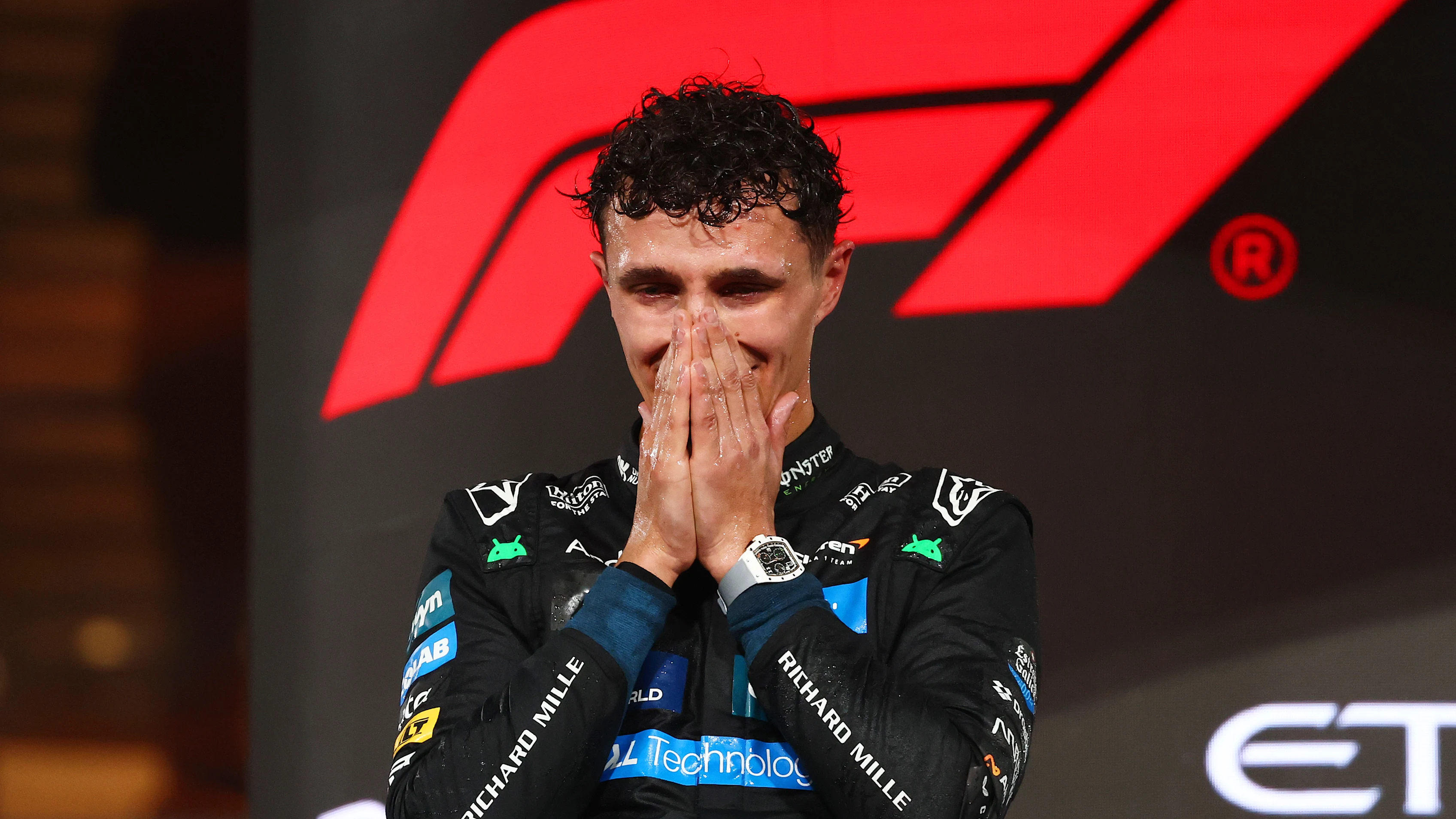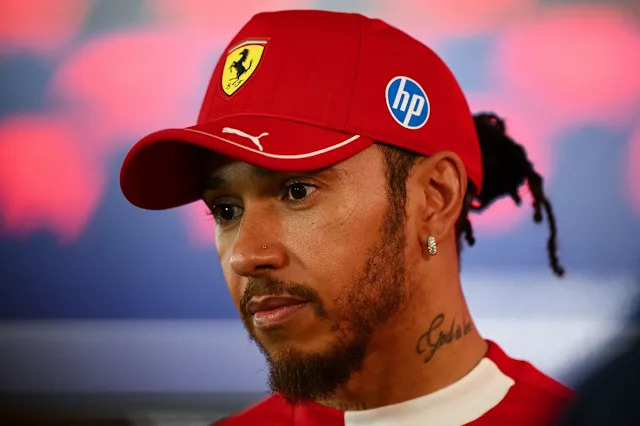
Lewis Hamilton's first Ferrari season was supposed to be a study in rediscovered enjoyment. Most of it, on his own messaging, has been. The Suzuka cooldown room was where that narrative crashed into a power-unit problem the seven-time world champion could not pretend away.
'Pretty, pretty terrible, ultimately, because I was P3 and ended up going backwards,' Hamilton told the broadcast crew as he climbed out of his SF-26. 'I just need to understand where I was losing all the power. I just had a real lack of power, particularly the second sin. But the majority of the race, even from the beginning, I couldn't keep up with people, just for the lack of power.'
It is the longest unbroken negative quote Hamilton has given in red, and it does not come from a man having a difficult adjustment to a new car. It comes from a man who knows a power-unit deficit when he is sitting behind one. Mercedes' 2026 hybrid package has become the new gold standard of the grid, and Ferrari's engine programme — for all the brilliance of its chassis department — has not been able to close.
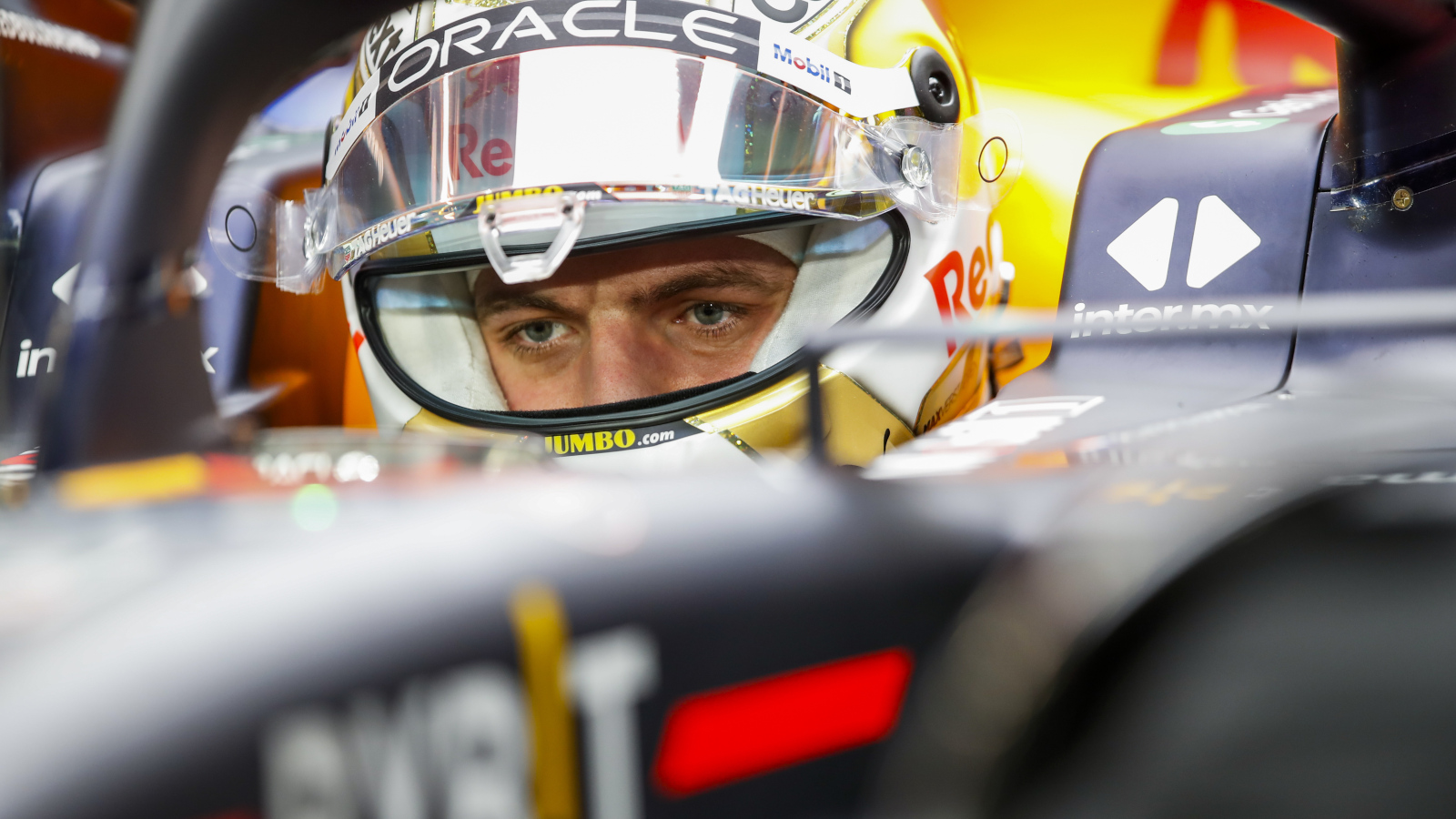
Charles Leclerc, asked the same day whether he believed Ferrari could realistically match the works Mercedes cars over a flying lap, gave the same answer Hamilton had given in different words. 'I don't think so,' Leclerc said. 'They still have a big advantage and it's up to us to try and change that situation.'
Leclerc's Chinese Grand Prix interview, two weeks earlier, was even bleaker on the same theme. 'It was such a tough battle,' he said in Shanghai. 'I just kept losing the lead. It's really hard to hold the Mercedes off. It was impossible actually. They were just so quick on the straight. So, we we really got to step up. I think the car is good enough. We just need more power on the straights.'
That last clause is the engineering brief sitting open on every desk inside Maranello. The SF-26 is, by chassis benchmarks, one of the two best cars on the grid. Ferrari's run of bold technical innovations — the inverted rear wing, the exhaust wings, the halo wings — has triggered an open imitation programme up and down the pit lane. None of it disguises a deployment-and-ICE deficit that arrived at the Bahrain pre-season test and has barely closed since.
For Hamilton, the political backdrop adds noise. Italian media has spent the past fortnight reading every public Ferrari signal for hints of a Silverstone retirement announcement. The team has pushed back. What it cannot push back on is its own engine telemetry — and on the data from Suzuka, the gap to Mercedes is the only number anyone at Maranello really cares about heading into Canada.
The candour was new. Hamilton stopped short of blaming the power-unit department directly, framing the loss of pace as something the team had to 'understand'. But the diplomatic shaping did not disguise the underlying reality. He started Suzuka in podium contention. He finished it watching Mercedes drivers vanish down the straights at a rate his Ferrari simply could not match. The joy of driving was not the story coming out of that cockpit.