The defining tension in Formula 1's 2026 cars is not the one fans see — it is the one happening inside the rear axle every time a driver lifts off the throttle. The MGU-K, now rated at 350 kW, is doing three times the work it did last year. The mechanical brakes are being asked to do less, but at the wrong moment, that imbalance can cost a lap. RMW Magazine technical editor Lawrence Butcher walked through what he saw in Bahrain — and why it has Max Verstappen driving Turn 10 in a gear nobody used to consider for it.
"It's been really interesting this week watching the drivers get a handle on these cars in Bahrain," Butcher said. "Particularly through Turn 10, downhill, left-hander. So many were locking a wheel. And it's all because they're trying to do this balancing act between this really, really powerful MGU-K. I mean, 350 kW is three times what they had last year. And coming down this left-hander, it's just getting that balance, balancing the mechanical brakes against the recovery, is a really tricky problem for them."
The gap between motor power and battery capacity is the hidden constraint. "Despite the MGU-K being so much more powerful this year, the teams have actually got basically the same size battery they had to play with last year," Butcher explained. "You've got this 4 megajoule limit and it's not actually a limit on battery size. It's a limit on state of charge difference. You can have a state of charge variance of up to four megajoules of overlap and they're allowed to recover up to nine megajoules. But what it means is that to get the most out of this powerful, powerful motor, they have got to be cramming energy back in at every opportunity."
That cramming changes how a Grand Prix lap is driven. Verstappen's adaptation at Turn 10 is the visible illustration.
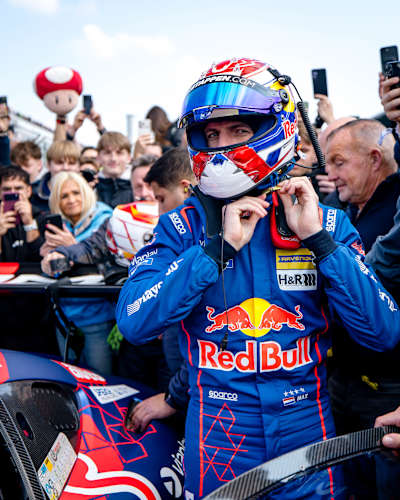
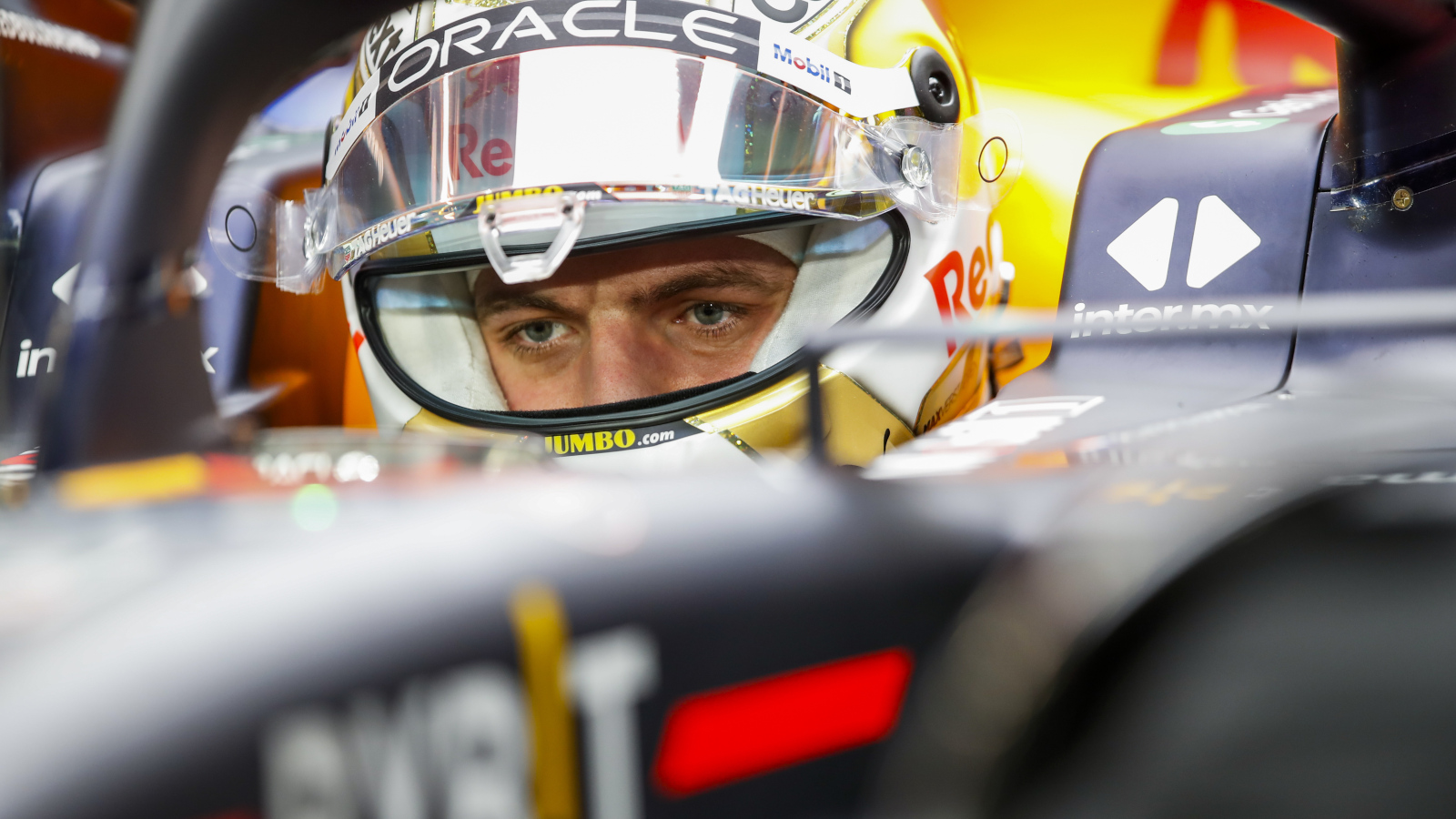
"We're seeing into the corners drivers dealing with the cars in a very different way to how they might have been last year," Butcher said. "For example, going back to Turn 10 again, Max Verstappen in the Red Bull, he's been knocking all the way down to first gear for that corner when normally it would be a second gear corner. And the whole reason for that is to get that MGU-K spinning in its most efficient operating range, getting as much energy back into the battery before corner exit."
The simulators cannot quite catch the cars. "All the teams have got really, really efficient, effective modelling simulation capabilities back at their factories," Butcher acknowledged. "But really, it's when the cars hit the track that they actually find out. Talking to so many engineers this week, it's been a case that they're not in the dark, but they're very early in the learning curve with these cars."
That learning curve is where 2026 will be decided. "Energy recovery, deployment, braking — all of that is going to be such an area of not just getting the cars right for the drivers, but it's where so much of the performance is going to come this year," he predicted. "Who gets that right will have a proper competitive edge."
Eight rounds in, the team that has, very visibly, got it right is Mercedes. The team that, very visibly, has not is Aston Martin. The braking integration that looked like a technical curiosity in February has become the defining engineering battlefield of the year.