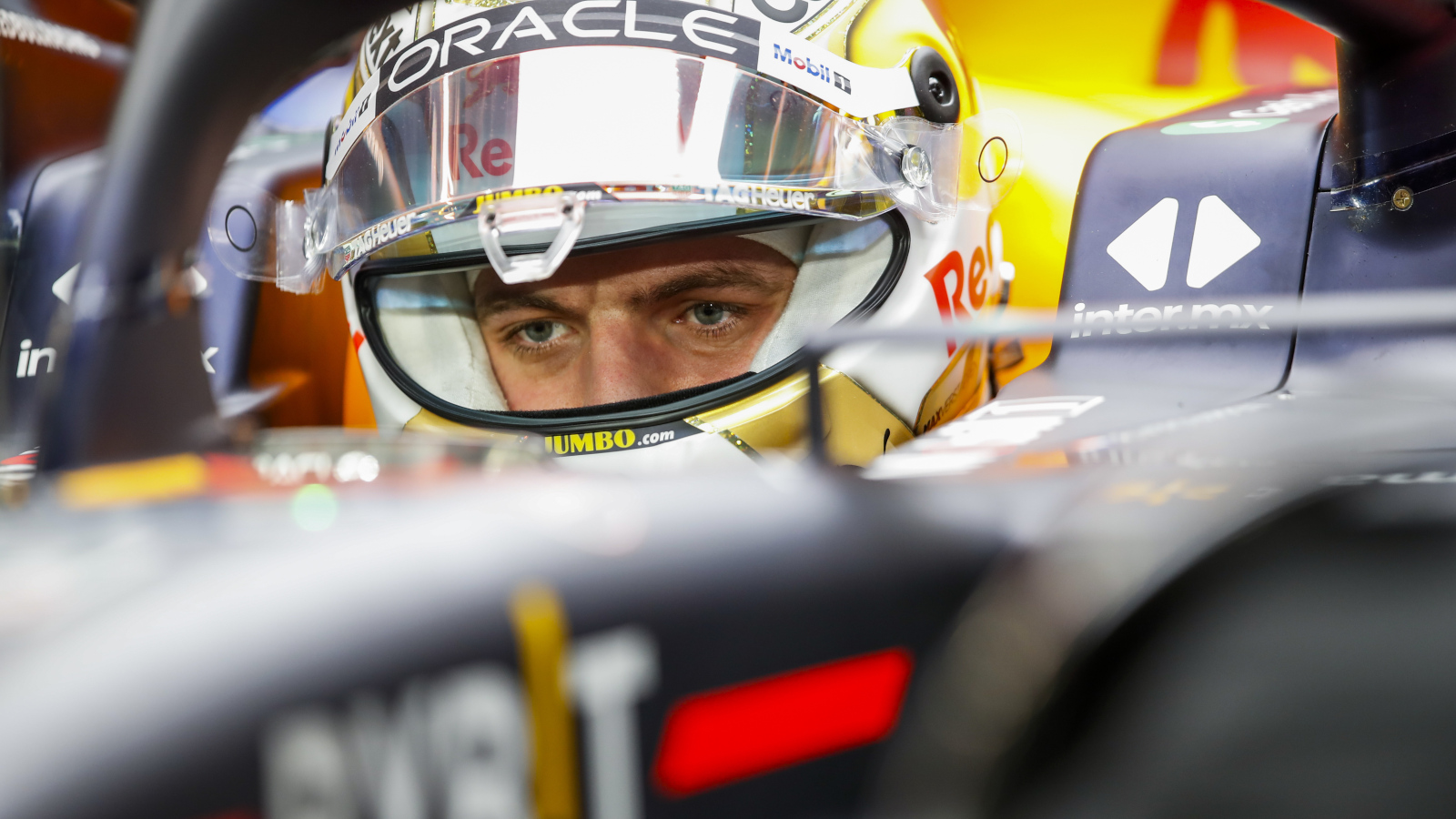
Pierre Wache used Red Bull's Miami media debrief to do something rarely seen in the modern paddock — apologise, on the record, to a four-time world champion for letting the car under-perform for too long.
Red Bull arrived at Miami International Autodrome with the most aggressive update package the team has produced this season: a complete steering rack rebuild, fresh sidepods, a new floor and a rotating rear wing the paddock has nicknamed the "Macarena." Max Verstappen converted the upgrades into a front-row qualifying lap and a recovery drive after a first-corner spin. The pace, the team's technical director admitted, is the result of finally cracking a problem that had eluded Red Bull all the way from Barcelona pre-season testing.
The diagnostic process, Wache said, was the slow part.
"First, we had to make sure that he had an issue," Wache said. "Then it was about identifying where it was coming from, and that takes a long time. And after that, it was about fixing the problem."
The team identified the root cause around the start of April, but the parts only became available because Bahrain and Jeddah were cancelled.
"A little bit before that, but the break gave us time to produce the parts, I would say," Wache said. "Otherwise, in Bahrain and Jeddah, we would not have had the parts."
The headline moment of the briefing was Wache's decision to apologise on the record, both to Verstappen and to the rest of the team.

"I'm sorry that we didn't fix it before," Wache said. "We tried multiple stuff and it didn't work. Some parts also took a long time to arrive, but I think the engineering team did a very good job of achieving it."
That admission effectively confirms what Verstappen had been telling Red Bull since Barcelona testing: the RB22 was not behaving the way the data said it should, and the team's public position that the car was inside its expected window was wrong. Verstappen failed to make Q2 in Japan and complained openly about steering and balance issues throughout the early flyaway leg.
Wache also addressed the rotating rear-wing concept that has drawn the most attention from fans and rival teams. The Macarena wing has been in development since November and has already failed to deliver in Bahrain testing, in Melbourne and again in Suzuka.
"I think we started in November," Wache said. "We tried to introduce it in Bahrain and then in Melbourne. But we had some issues to make it work. We tried again in Suzuka, but we were struggling a lot. And now it works. It's a long process to make this type of device happen."
He flagged the engineering challenge as something Red Bull underestimated.
"Because the time that you have to open and close it is limited. And it's a longer distance that is not exactly what we used to," Wache said. "We also didn't anticipate some issues because it's a new system. Maybe it was our fault, things that we had to fix. And after fixing, it takes time on top of the normal development of the car."
Red Bull have insisted that the device is not a copy of the Ferrari rotating wing currently under FIA scrutiny, with Wache pointing to a different rotation direction and an entirely separate operating principle.
A modest second wave of upgrades is scheduled for Montreal, with weight reduction and cooling work next on the list. The bigger structural step is being targeted for the British or Austrian Grands Prix in midsummer.
The clearest takeaway from Miami, however, is not the lap time. It is the sentence Red Bull have been avoiding for two months, finally said aloud by their technical director: the early-2026 problem was theirs.