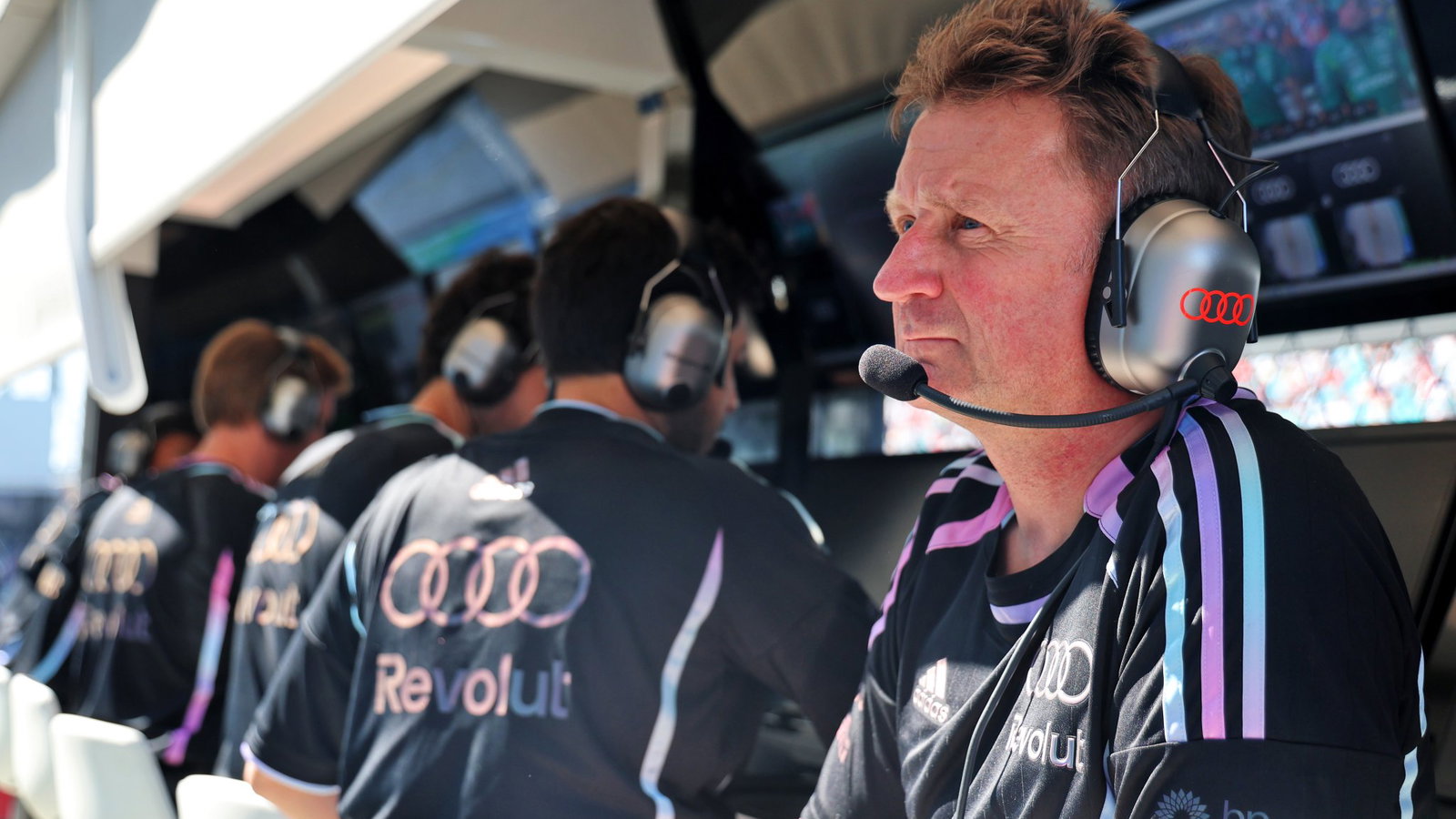
Audi's first season as a full Formula 1 manufacturer was always going to be hard. According to new racing director Allan McNish, it is becoming harder than it needs to be — for one specific reason that has nothing to do with raw performance.
After the Miami Grand Prix, McNish sat down with media and was unusually direct about where Audi's biggest 2026 problem lies. Not the chassis. Not the energy management on the new power unit. Not the rookie driver line-up. Reliability.
"Well, obviously you don't want them — that is for sure," McNish said of the team's growing stack of retirements.
"Definitely, we need to tidy those, there's no question about it."
The numbers underline why he is so blunt. Three pre-race retirements in four rounds — Australia, China, and now Miami. None of them were performance failures in the conventional sense. In each case, the cars never made it to a meaningful chunk of the race.
McNish, a Le Mans winner and the most experienced motorsport hand the team has hired, was also careful to draw a line under the most recent technical breach uncovered in scrutineering on Saturday in Miami.
"It's not something that was performance beneficial yesterday for Gabi," he said, referring to driver Gabriel Bortoleto.

The distinction matters internally. A one-off paperwork issue is something Audi can absorb. A repeated image of one of its cars sitting in the garage at the formation lap is not.
"The frustrating part is not having two cars at the start on Saturday."
The implication is that Audi believes the C46 chassis has decent raw pace under it. The team simply cannot validate that pace because too many race weekends are ending before the racing starts. McNish's framing was a chicken-and-egg one.
"We need reliability, and then we can also start developing in other areas as well."

Until the cars are running both bays through every grand prix, the team cannot dedicate engineering bandwidth to genuine performance development. The 2026 power unit, in particular, demands learning hours that Audi simply has not been able to log.
The diagnosis is deliberately unglamorous, and that is the point. Audi entered F1 with a marketing campaign built around long-term ambition — public statements about challenging at the front by the end of the decade and a road-car alignment around full electrification. Six months in, its racing director's public message is simply that the team needs both cars to start the race.
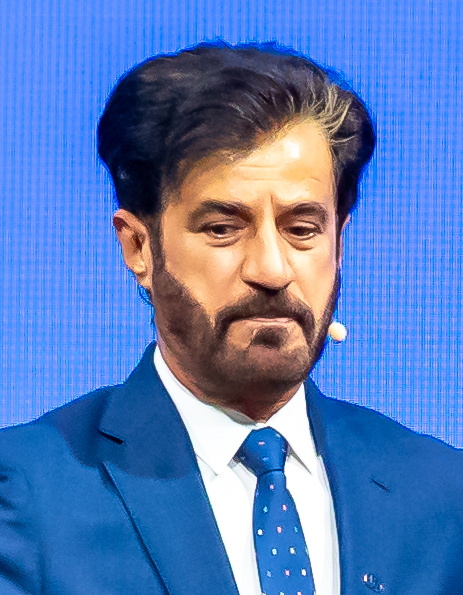
There is also a darker context. FIA president Mohammed Ben Sulayem has separately said he wants to retire the 2026 hybrid formula altogether by 2030, in favour of a return to V8 engines with minor electrification. Audi's whole F1 entry is built around the current hybrid architecture and its road-car relevance. Every race that ends with one or both Audi cars stranded is a race the team cannot use to validate its project before the regulations potentially get scrapped.
McNish, characteristically, is not catastrophising. The plan is reliability first, performance second. But heading into Canada, the message from Audi's pit wall is unambiguous: build the platform, then climb.