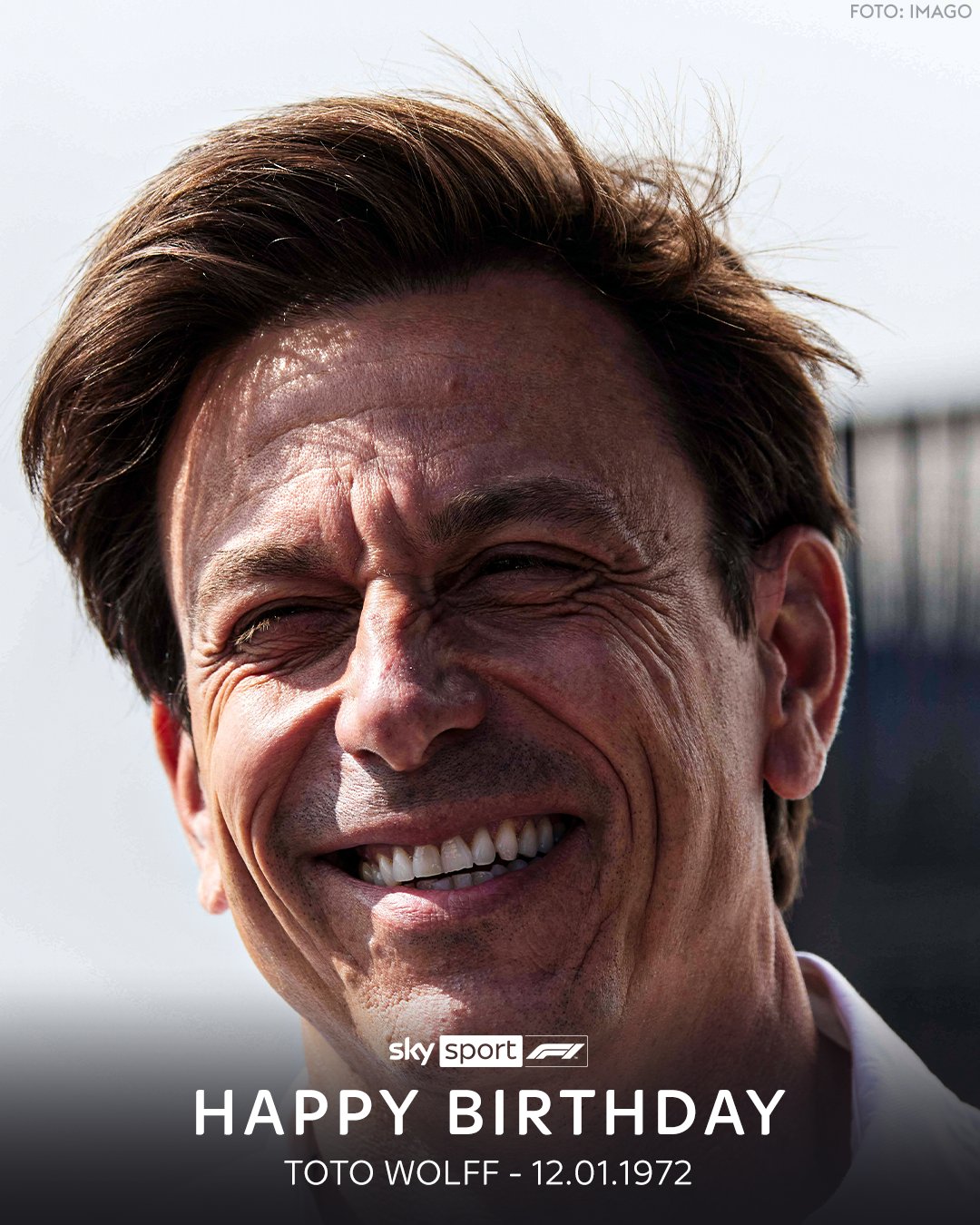
Formula 1's 2026 regulations have been a punching bag since the season started. Lift-and-coast complaints. Battery management horror stories. Mid-season FIA tweaks already pushed through. Toto Wolff has now decided to push back.
In the immediate aftermath of the Miami Grand Prix — a race won from pole by 19-year-old Kimi Antonelli, with Lando Norris hounding him to the line and Max Verstappen carving through the midfield after a spin — the Mercedes team principal made it personal.
"If there's one single person that complains about the race today, I think they should hide, honestly," Wolff said.
The line is vintage Wolff: short, brutal, and aimed straight at the noise around F1. It also lands at a particular moment. The 2026 rule package was developed with substantial Mercedes engineering input, and Mercedes has been comfortably the strongest team of the new era — pole positions in Suzuka, Shanghai and Miami, F1's youngest race winner of all time in Antonelli, and a 20-point lead over second-placed George Russell at the top of the drivers' standings.
He did concede the racing has not been uniform.
"Now, obviously this track is a little bit easier, it's not so energy stuffed. There's good games and there's bad games, so I think that was great, great advertising for Formula 1."
That is one of the few public acknowledgements from a senior principal that not every circuit has worked under the 2026 deployment package. Bahrain and Suzuka in particular exposed weaknesses, with frontrunners conserving energy and the midfield bunching into single-file deployment trains. Wolff's argument is not that every weekend has been perfect — it is that the Miami floor was high enough to silence the most catastrophic critiques offered before the season started.
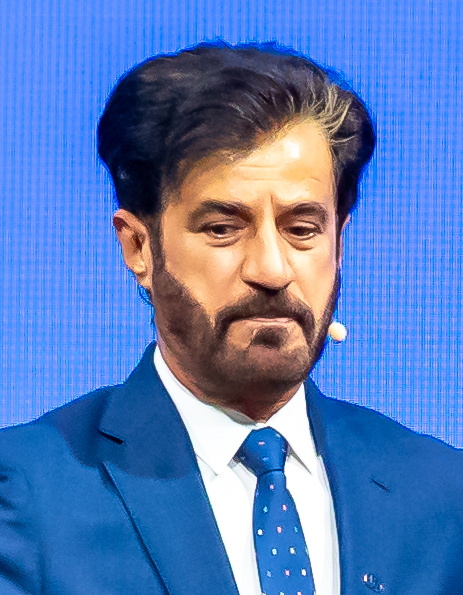
There is more political weight here than there might seem. The FIA has already moved once on the 2026 rules, introducing a 'Rain Hazard' provision in Miami and adjusting energy deployment caps. There is open speculation about more interventions before Canada. And separately, FIA president Mohammed Ben Sulayem has confirmed he wants to retire the 2026 hybrid formula altogether by 2030 in favour of a return to V8 engines.
Wolff is, in effect, trying to halt the momentum behind those changes. With Mercedes leading both championships and Miami delivering exactly the kind of race the rule book's authors promised, his message is unmistakable: this is what 2026 was supposed to look like, and anyone still arguing otherwise should sit down.
Whether the next weekend in Montreal — a circuit with very different deployment demands — backs that argument up will determine how long the silence holds.