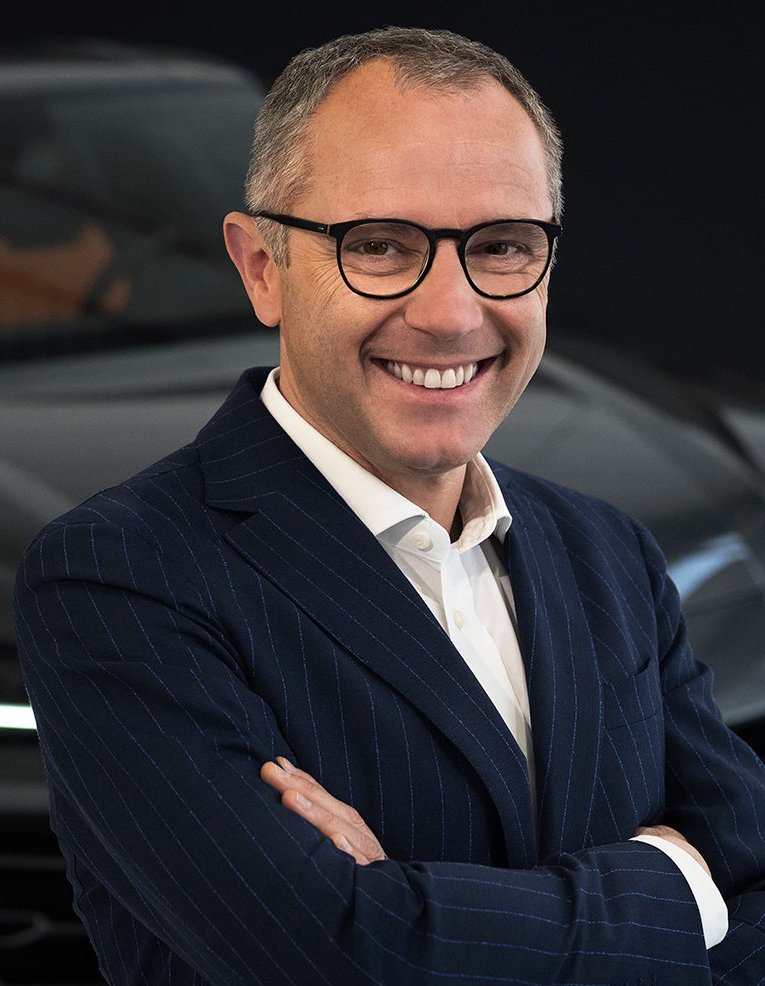
BYD has stopped denying that it wants into Formula 1. In comments to SportMediaset that have circulated globally over the past 48 hours, the Chinese electric-vehicle giant's vice president Stella Li openly confirmed that the company has held formal discussions with F1 chief executive Stefano Domenicali about joining the grid.
Li's framing was matter-of-fact rather than diplomatic. "We met Stefano Domenicali in Shanghai," she said. "We are always in close contact."
For a company that spent most of the spring batting away Bloomberg leaks, the disclosure is significant. BYD has historically been guarded about its motorsport intentions, even as Bloomberg, Reuters and Electrek reported through March that the Shenzhen-based manufacturer was actively examining both Formula 1 and Le Mans-style endurance options. A vice president now naming the F1 CEO and the meeting venue takes the story past speculation and into the realm of ongoing commercial negotiation.
There is also a personal pitch underneath the political one. "I like Formula 1 because it's about passion and culture, and people dream of being in Formula 1," Li said.
She was more guarded on the structural question — whether BYD would buy an existing team, build a new one, or enter as a power-unit supplier — but the underlying technical pitch was explicit. "We are discussing the possibility of joining the Formula 1 grid, which would provide the opportunity to put our technology to the test," she said.
That technology argument is central to BYD's case. The 2026 power unit regulations rebalance F1 toward a 50-50 split between internal combustion and electrical energy, with the MGU-K alone responsible for around 350 kilowatts of deployment. BYD, the world's largest producer of battery-electric and plug-in hybrid vehicles, has spent years refining the high-density battery packaging and thermal management that the new architecture rewards. On paper, the regulation set could not be a more flattering shop window.
The symbolism would be hard to ignore. No Chinese manufacturer has ever competed in Formula 1. Honda, Toyota, Renault, Ferrari and Mercedes have all served their tours of duty, but the world's largest automaking nation has remained on the sidelines. A BYD entry, in any form, would change the cultural geography of the championship in a way few of its post-2026 storylines could match.
The Cadillac precedent is sitting right there as well. Liberty's expansion to 11 teams in 2026, with General Motors-backed Cadillac taking the new slot, demonstrated that an OEM-backed entry can be wedged into the regulatory framework when the political will exists. BYD-watchers in the paddock have been monitoring whether a 12th-team carve-out, or a power-unit-only entry path, could be opened next.
The strategic case for F1 is similarly straightforward. China is one of two large markets where the championship has consistently underperformed its global growth curve — the United States is the other — and Liberty has spent meaningful resources rebuilding the Shanghai event into a calendar fixture. A BYD entry, even at supplier level, would deliver the kind of domestic-manufacturer storyline that turns a foreign sport into a national one.
Nothing has been signed. Li's confirmation of the Domenicali meeting is the strongest public marker yet, but BYD has not committed to a structural pathway and Liberty has not opened a formal expression-of-interest window. What has changed is that the conversation is now on the record, between named principals, in public — and that is a fundamentally different kind of pressure on both sides than the leaks of March.