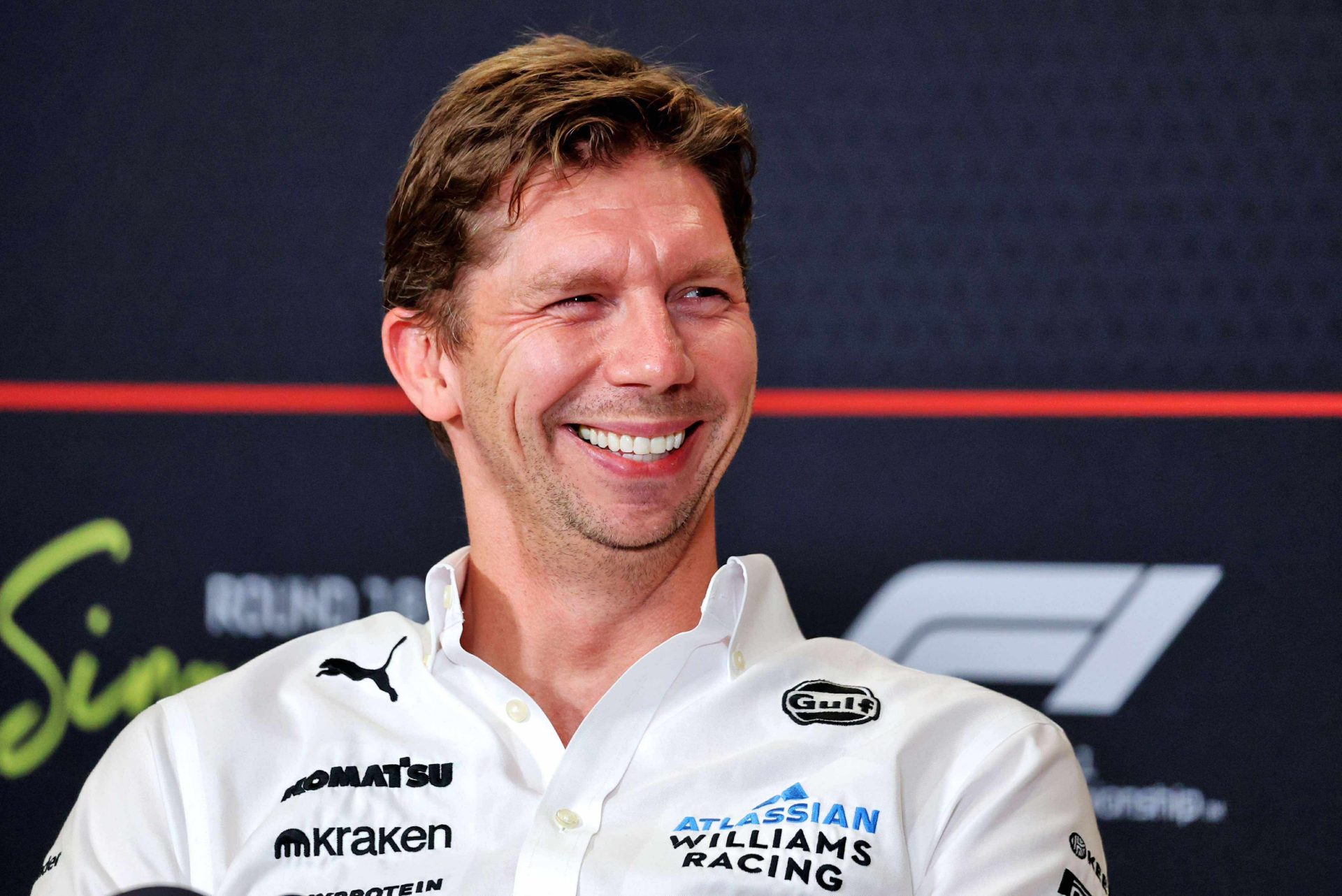
James Vowles has finally explained why Williams' 2026 winter unravelled, with the team principal pointing to a perfect storm of new internal software, an unusually complex car, and a brutal crash test programme.
Both Williams cars finished in the points at Miami last weekend - Carlos Sainz ninth and Alex Albon tenth - the first time the team has banked a double-score this season.
Vowles called the build-up "a really messy winter" and said the post-Suzuka break was the first chance to draw a line.
"A really messy winter, and the break gave us an opportunity to reset, take a breath, catch up, form a plan," he said.
The core problem, he explained, was that Williams pushed new ERP and PLM software live at the same time it was producing its most ambitious car yet.
"It's tiny, small details but hundreds of them that add up," Vowles said. "The car we produced is the most complex. All of it is about one-and-a-half to two times more complex and it didn't go smoothly for much of that process."
Once the schedule slipped, the consequences cascaded.

"Your reaction once that starts to happen is there's very few alternatives. Once you start falling behind you're in trouble," he said.
The FW48's notorious weight problem is the visible scar of that pressure.
"Once you start running out of time, weight is quite an easy addition to effectively get a part through," Vowles admitted.
Failed crash tests added more punishment.
"There were a number of crash tests, some were passed incredibly well, some were difficult frankly and that put load back into the system," he said.
Vowles will not pretend the work is finished.
"The gap is so large from where we are to the front that I'm sure we've made a small step," he said.
Williams are now targeting consolidation at the top of the midfield by late August. Miami is the first race in months that fits that storyline.