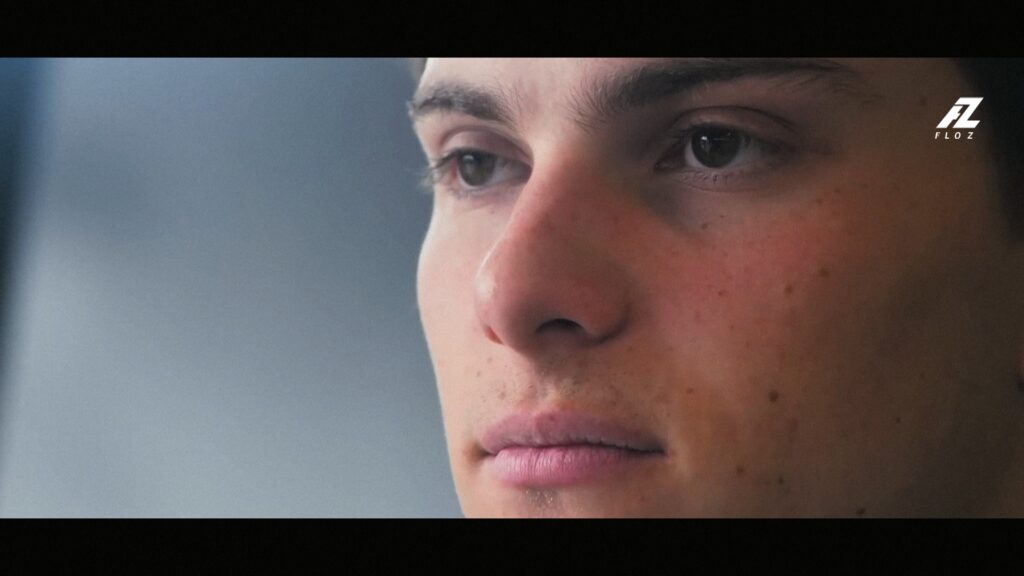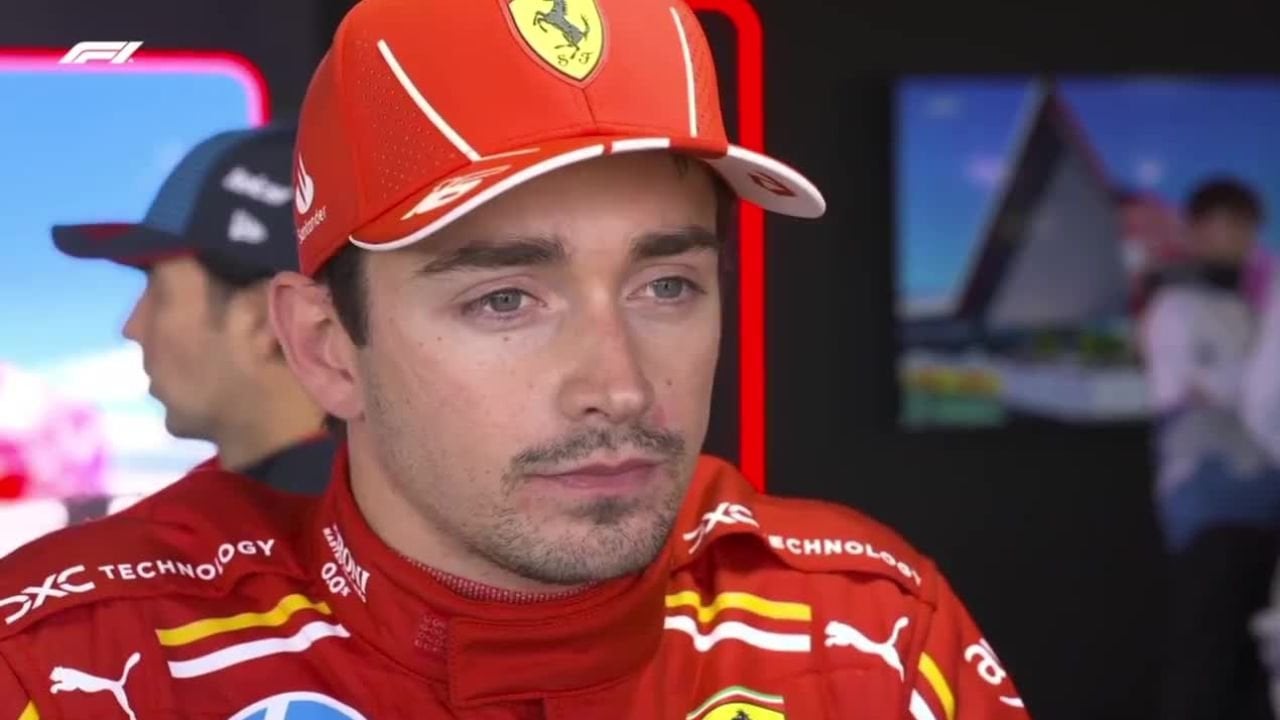
If Saturday at Suzuka had a paddock-level talking point that ran all the way through to Sunday morning, it was Jolyon Palmer's commentary on Charles Leclerc - and the suggestion that the Ferrari driver's aggression at the Japanese Grand Prix has stopped looking inspired and started looking risky.
Palmer, the former Renault F1 driver who has emerged as one of the more analytical commentators on the grid, framed Leclerc's weekend bluntly.
"I've been wincing all weekend waiting for Charles to just lose it totally," Palmer said. "He has been driving this like a speedway machine the whole way through. But I think that's cost him on the long run."
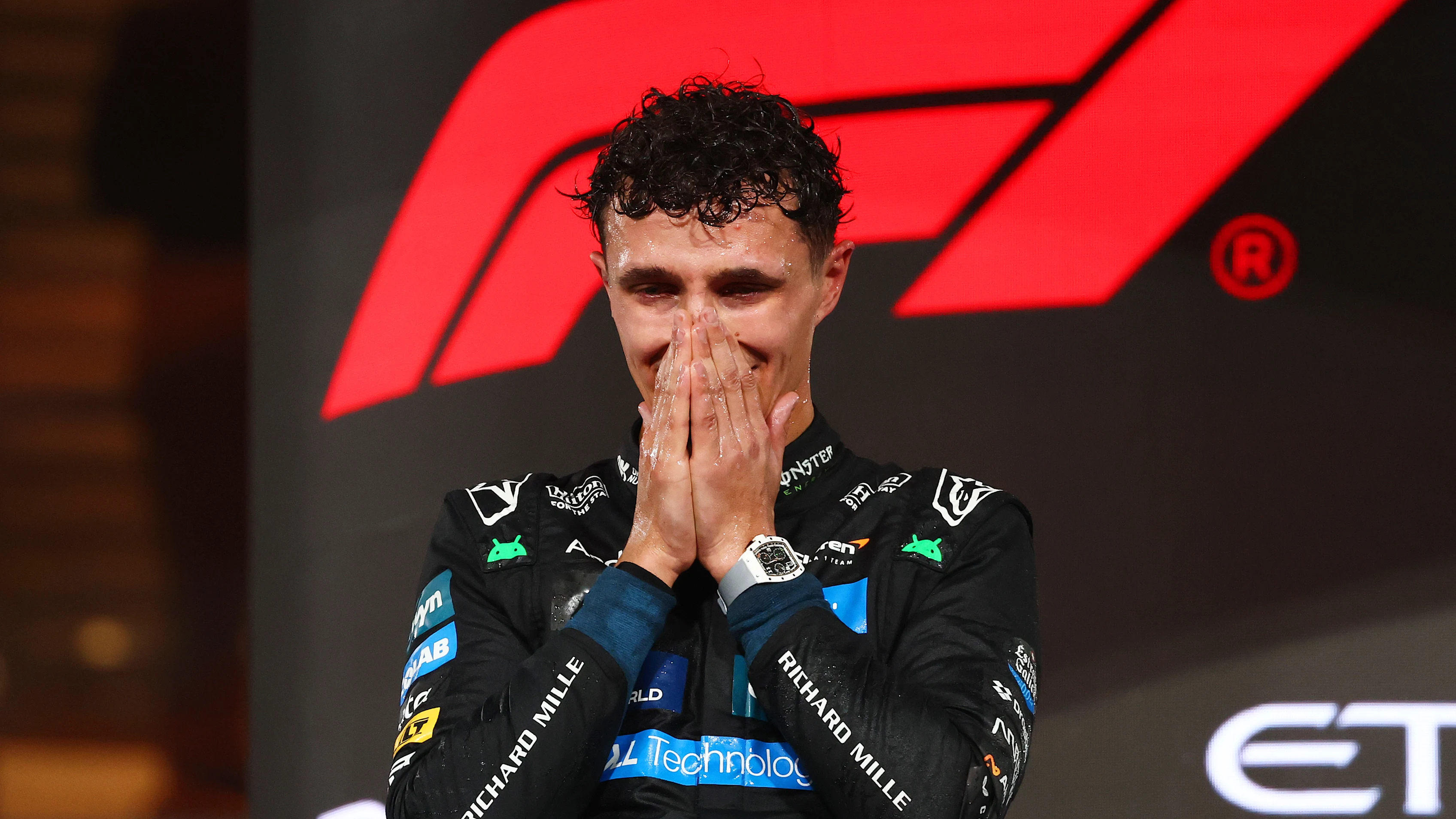
The "speedway machine" choice of words is loaded. It implies a driver leaning heavily on every kerb and camber change, attacking each corner with an oval-racing commitment that Suzuka will eventually punish. The Japanese GP track rewards rhythm, tyre management and a flowing line through Sector 1; it does not reward the kind of hyper-aggressive corrections that Palmer has been observing from Leclerc.
Leclerc's own commentary after qualifying lent credibility to Palmer's read. The Monegasque referenced a moment of instability mid-lap that he believed could easily have ended his run, and the radio chatter through the weekend pointed to traction issues out of slow corners that he was clearly trying to mask with bigger inputs and braver entries.
Ferrari's broader 2026 problem is the gap to Mercedes, and Leclerc is doing what natural racers do when their machinery is short on outright pace - he is driving around the deficit. That instinct produced his world-class Monaco poles and saved Ferrari weekends in seasons past. The question is whether Suzuka, with its high-energy front-tyre demand, is the right venue for the trick.
Palmer's concern is the second-order effect on race pace. Aggressive qualifying laps tend to produce tyres that arrive at lap one already a millimetre out of the optimum operating window. Across a 53-lap Japanese GP, that compounds. If Leclerc's Sunday sees front-tyre degradation hitting earlier than team-mate Lewis Hamilton's, Palmer's commentary will look prescient.
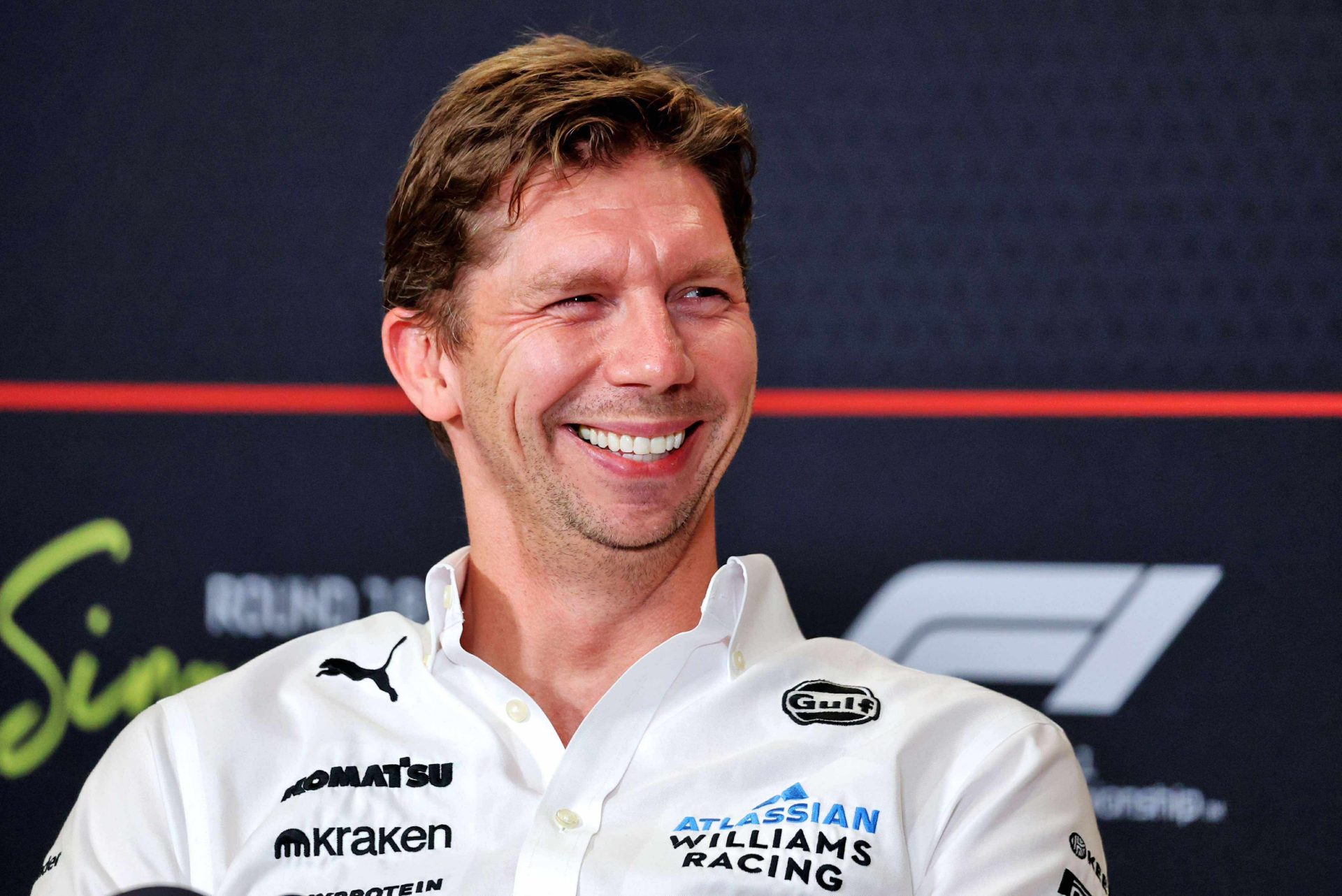
The pundit's track record on this kind of forward-leaning critique is good. He flagged Lance Stroll's brake-throttle overlap concerns months before the team admitted to its set-up issues, and his early read on McLaren's 2024 floor was vindicated by the team's own technical director within weeks. When Palmer says a driver is over-driving, the engineers tend to listen.
For Ferrari, the challenge is to convert Leclerc's commitment into a manageable race plan rather than an extraction war. Hamilton, qualifying not far behind, may end up serving as the more patient race-pace anchor. If the Suzuka Sunday turns into a study in two contrasting tyre management approaches, the team will have a real-time data set on whether Palmer's warning held water - or whether Leclerc's speedway-style commitment can be reconciled with race-day discipline.