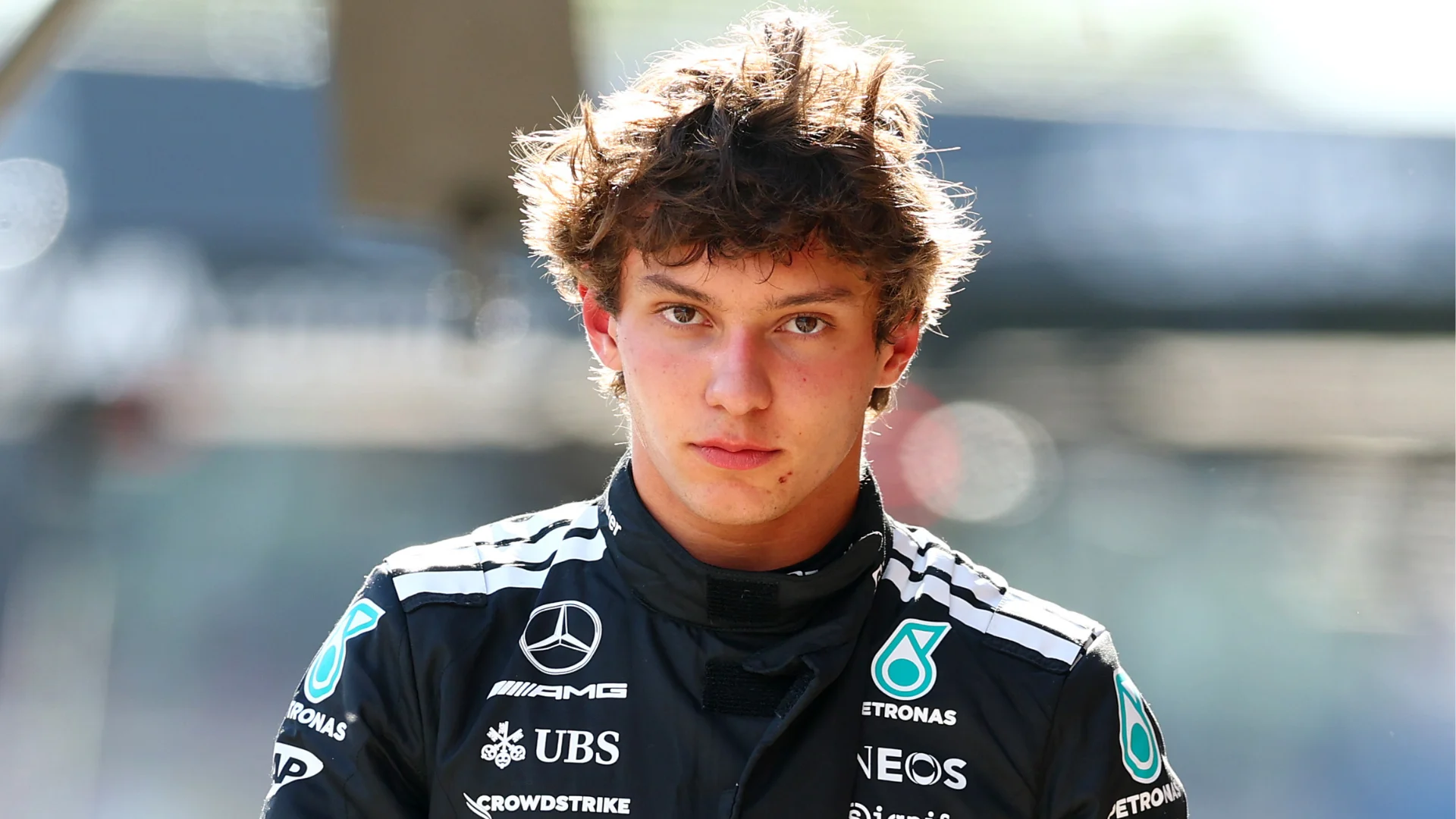
On the broadcast scoreboard, Mercedes left Miami with a third Kimi Antonelli win in succession, a 20-point championship lead and a Toto Wolff cigar's worth of vindication on the new 2026 ruleset. On the data sheet, the result is closer to a stolen one. Mercedes did not have the fastest car in Miami. It just had the smartest two corners' worth of pit-wall, the cleanest 2.2-second pit stop and the best inlap-outlap pairing of the weekend — and that was enough.
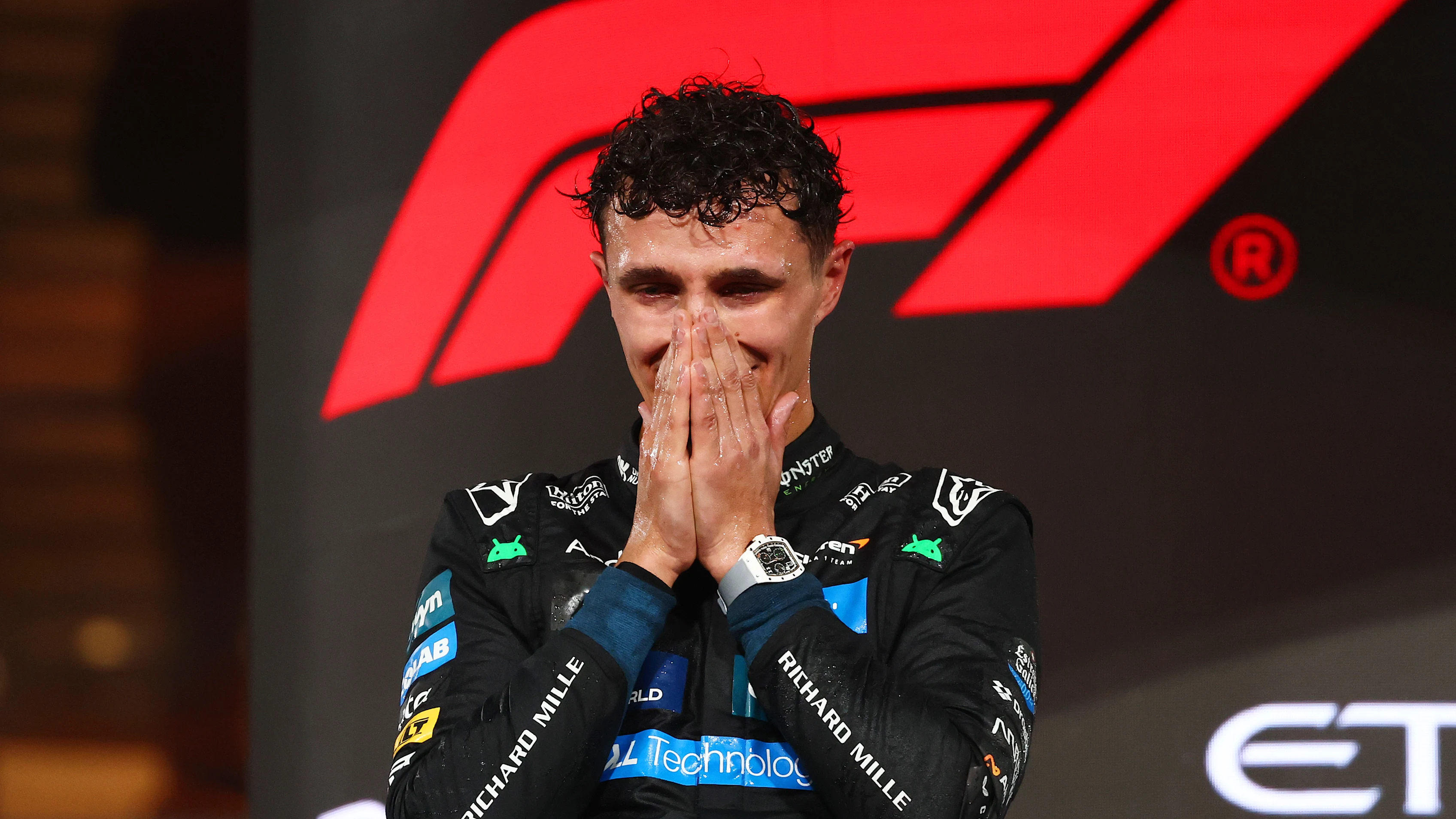
The build-up favoured McLaren. Lando Norris took pole on Saturday and converted it into the sprint win that morning. By Sunday, the McLaren had stabilised about two seconds ahead of Antonelli through the first stint, with the threat of rain looming but never quite landing. With the layout's reputation for being almost impossible to overtake on, the most likely outcome was a steady-state Norris cruise to victory.
That reading is what Mercedes had to break. Once the pit wall was confident the rain would not flip the strategy toward intermediate tyres, the team made the call: pull the pin on the undercut early and trust the rest of the pit-lane execution to do the rest.
It did. Antonelli pitted in a 2.2-second stop. The 19-year-old then nailed an inlap and an outlap on cold hard tyres, exactly the lap-and-a-bit window on which Sunday's strategic order was decided. McLaren reacted a lap later, but by the time Norris emerged from his own stop the McLaren was on cold rubber while Antonelli was already through the warm-up phase. Pit exit was technically a Norris position. Turn four was where Antonelli took it.
The rest of the race, on paper, looks comfortable. Antonelli cleared Verstappen's Red Bull cleanly into the next braking zone, then managed the gap to Norris all the way to the chequered flag. Two stressful downshift wobbles in the closing laps were the only moments in which McLaren got close enough to be a real threat, and even those windows closed quickly.
The more interesting argument is happening between the two teams' engineering rooms after the race. McLaren's read is that it has a tenths-level advantage on outright pace and that Norris's pole, sprint win and lap chart confirm it. Mercedes' read is that it brought a comparatively minor upgrade package while McLaren brought a much larger one — and still found enough on Sunday between deployment optimisation and pit-stop precision to make the strategy work. Both reads can be true at the same time.
Wolff has continued to insist Antonelli's drive was the youngster's best in F1 to date. The harder strategic point is that Mercedes' early-season cushion — a regulation-cycle advantage on aero and energy management — is no longer insulated from the rest of the field. McLaren is now matching it on Saturdays. Ferrari and Red Bull are closing it on Sundays.
Mercedes' answer is already loaded. The team's first major in-season upgrade of 2026 is scheduled for the Canadian Grand Prix — a rougher, cooler, more energy-poor circuit that will reward exactly the kind of car balance Antonelli is most comfortable with. If that package lands, Miami's strategy-led win will look like the moment Mercedes bought time. If it doesn't, it will look like the moment the title fight became one.