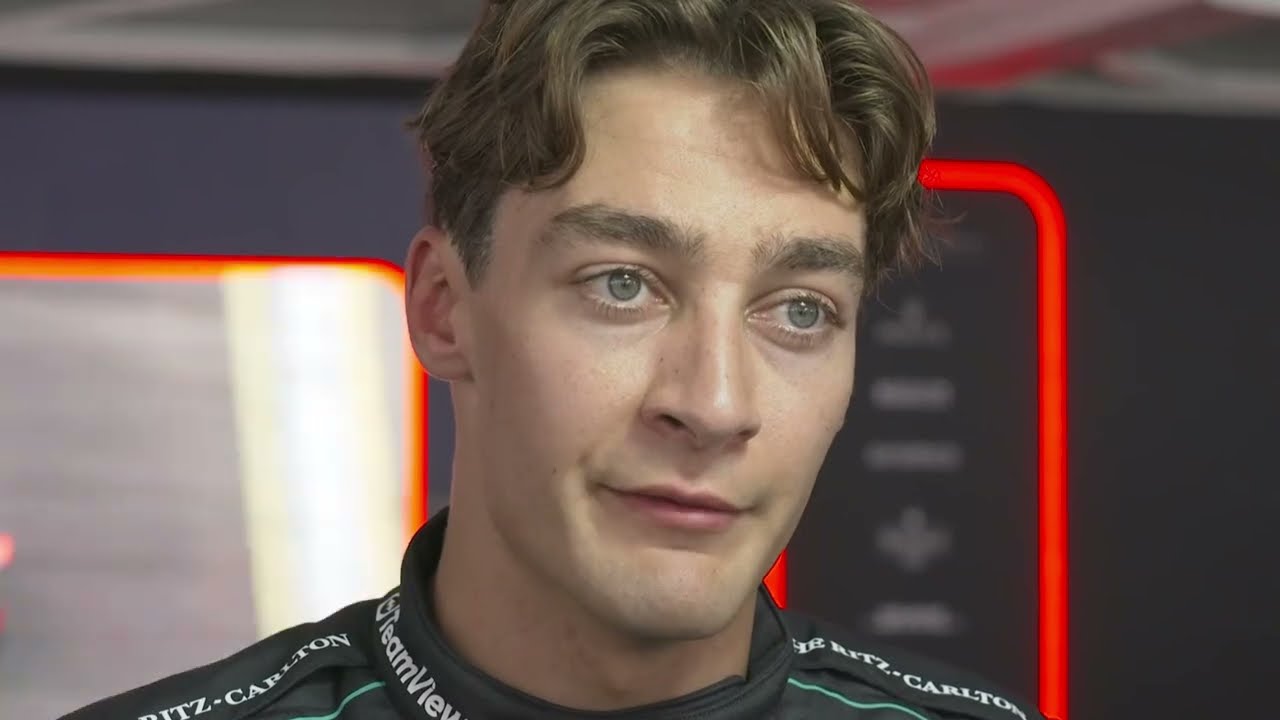
If George Russell needed a snapshot of how alarming his start to the 2026 Formula 1 season has become, the closing third of the Miami Grand Prix supplied it: rather than racing for position, the Mercedes driver was effectively running a setup development programme, cycling through configurations on the steering wheel because nothing he tried was unlocking pace.
Russell described the race as "very tough" and admitted being "so lost" on the medium and hard tyres that he turned the final 20 laps into an experiment in search of grip. The contrast with the other side of the Mercedes garage was stark. Kimi Antonelli, in his rookie campaign, took pole on Saturday, won on Sunday and now leads Russell by 20 points after four rounds, with three consecutive Grand Prix victories on the books.
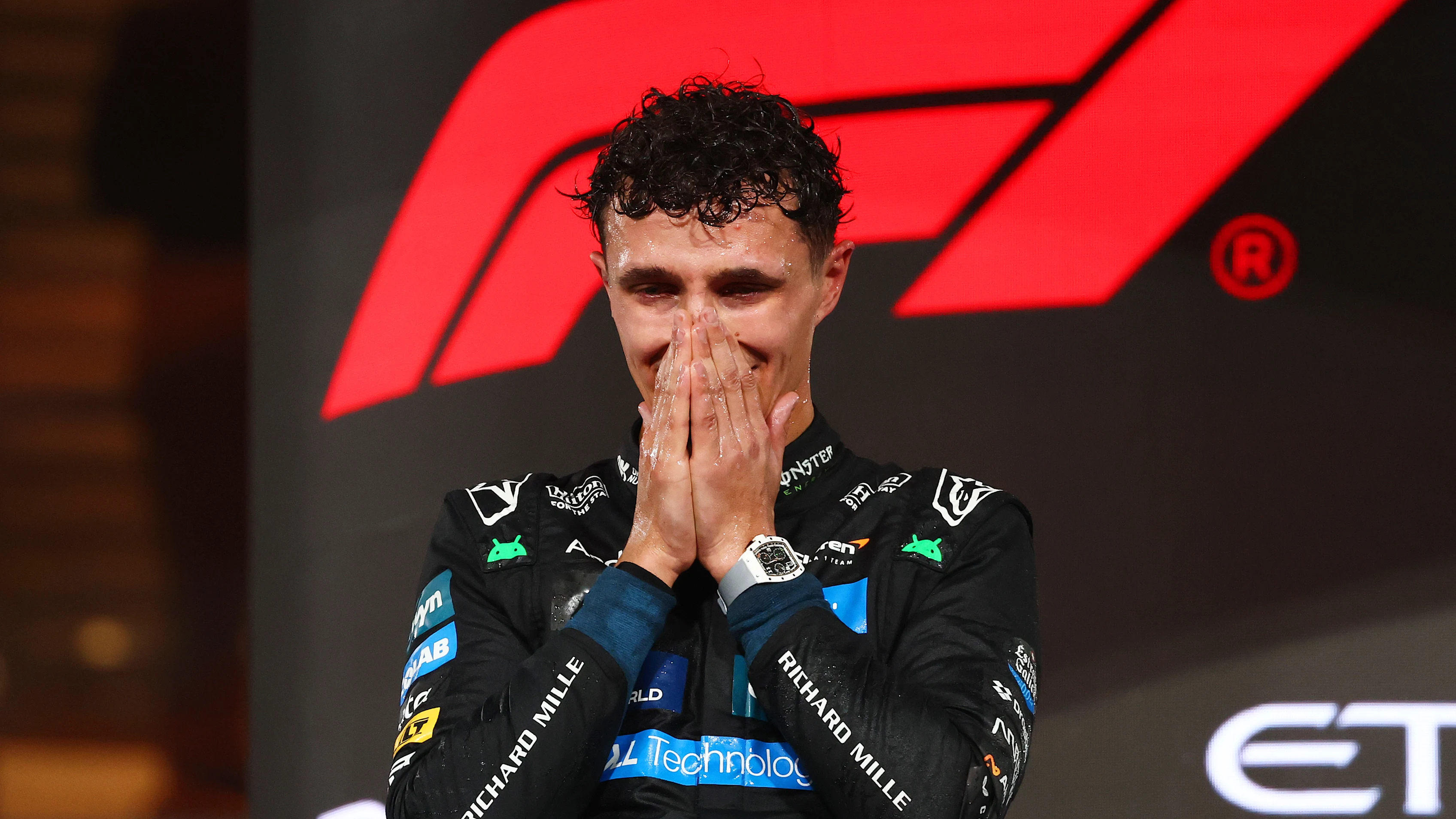
The Briton, long pencilled in by external observers as Mercedes' next world champion, points to track-specific factors as part of the explanation. Miami's smooth, hot surface plays into Antonelli's strengths and away from his own preference for higher-grip, more abrasive layouts. Russell drew a parallel to McLaren, where Lando Norris and Oscar Piastri also have visible windows where one is faster than the other depending on track texture and temperature.
That is why the next round in Canada has become disproportionately important. Montreal is cooler, rougher and the track at which Russell took the first of his two 2025 wins. It is also where Mercedes will introduce its first major in-season upgrade for 2026 — and where the championship narrative will either tighten back around Russell or harden against him.
There is one statistical lifeline. A different safety-car timing in Japan would have given Russell two wins from four — and the championship lead. The gap to Antonelli is, on his reading, more about marginal weekends than a structural pace deficit. Mercedes still has, on its baseline numbers, the best car on the grid.
But the trend is becoming hard to ignore. Russell has been bogged down at race starts, scrappy at safety-car restarts and a step behind Antonelli at Miami across all three sessions. Toto Wolff said publicly that Antonelli's race was the youngster's best in F1 to date, while Russell openly acknowledged that momentum is with the rookie and that the only way to push back is to focus narrowly on returning to the top step of the podium.
The broader risk is that the longer Antonelli stacks consecutive strong weekends, the more the championship begins to look like a generational handover at Mercedes that Russell never anticipated. Two strong races in Canada and Spain would reset the conversation. A third Antonelli weekend would not.
For a driver whose 2026 was supposed to be a coronation, using the closing laps of a Grand Prix to gather data rather than gather points is not a press-release moment. It is, in Russell's own framing, a Mercedes driver privately running out of ideas in public, and trying to find them again before Montreal.