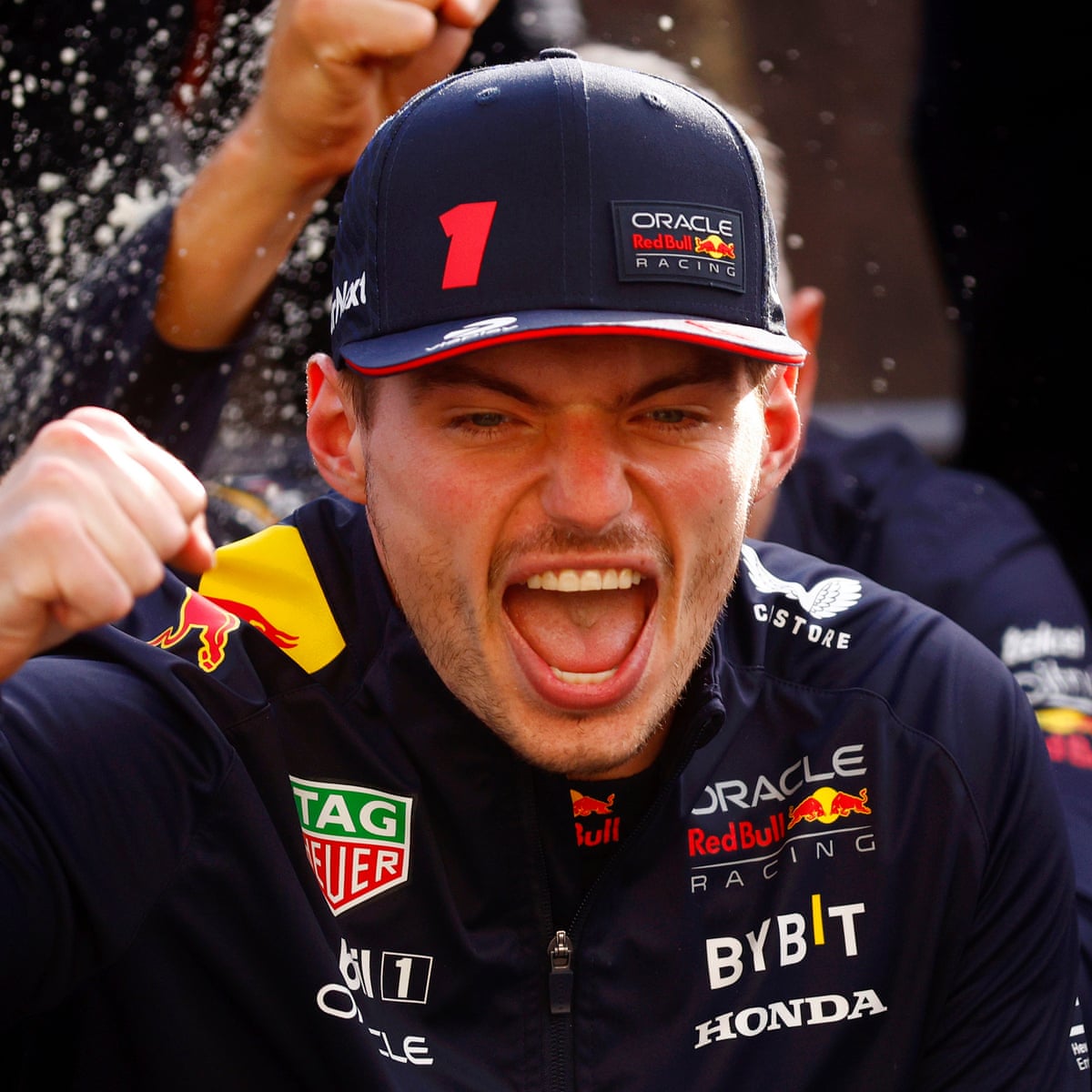
Ten years on from the afternoon that turned him into Formula 1's youngest-ever race winner, Max Verstappen has revisited his 2016 Spanish Grand Prix victory — and acknowledged that the day which changed the sport's trajectory still sits in his memory more as instinct than detail.
The four-time world champion was asked by Red Bull to pick ten races from his decade with the team. Barcelona 2016 came up first, almost reflexively.
"That was a crazy one for me. It was something really incredible," Verstappen said. "I'm going to be honest with you, I don't really remember much of it."
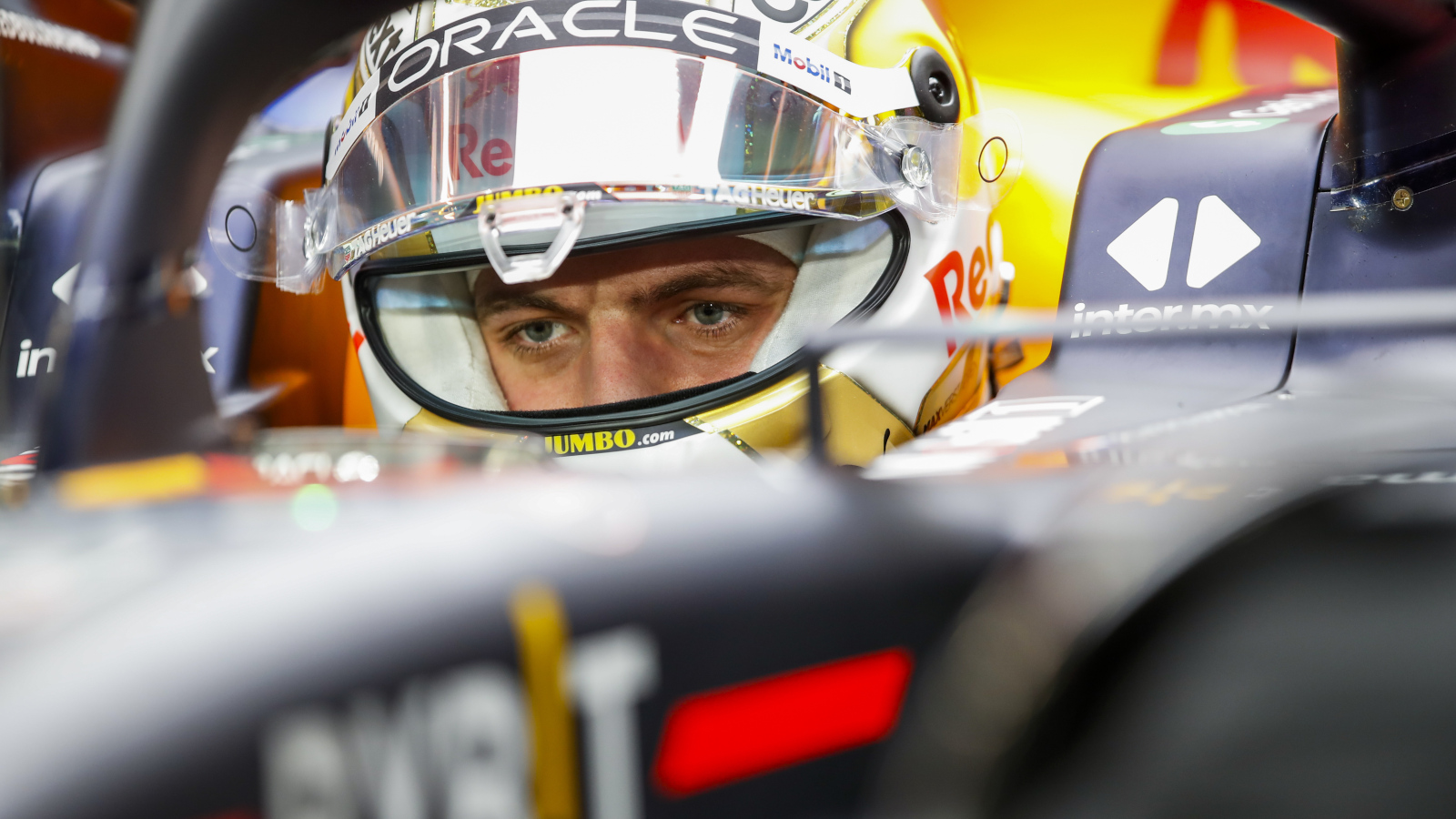
The context surrounding that race remains one of the boldest calls Red Bull has ever made. A mid-season swap with Daniil Kvyat had been confirmed only days earlier, leaving Verstappen with no proper testing in his new car before he climbed into a winning Red Bull at a venue every F1 driver knows better than any other.
"The first one in Spain. Yeah, that was a crazy one," he said. "Just being promoted to Red Bull and then jumping in, not really expecting anything, just trying to score good points."
Lap one delivered the kind of plot twist nobody had scripted. Lewis Hamilton and Nico Rosberg collided at Turn 4 — the leading Mercedes pair eliminated each other before the race had really begun — and the lead of the Spanish Grand Prix was suddenly in the hands of an 18-year-old.
"After lap one, I think the opportunity was there for a podium," Verstappen recalled.
Kimi Raikkonen, then a Ferrari driver and one of the most experienced grand prix winners on the grid, spent the second half of the race shadowing Verstappen, looking for a way past the inexperienced Red Bull. The young Dutchman did not concede an inch.
"I had Kimi I think like 30 laps behind me trying to pass me," Verstappen said. "So yeah, there was a lot of pressure, but at the end of the day we managed to keep it in the lead. And of course, very emotional first win, that's for sure."
It remains, after every record Verstappen has subsequently set, the result that established the basic identity of his career — the ability to absorb pressure, execute racecraft and convert opportunity. His own description of how unprepared he felt for it underlines how striking the achievement was at the time.
"It was so hectic the whole weekend already, or the week leading up to it," he said. "And then, also for me, not really knowing the car yet, the first time doing a race distance in it. It was just learning all the way."
A decade and four world titles later, the conversation around Verstappen has expanded into a debate about all-time rankings. The driver himself appears to find the perspective both flattering and slightly absurd.
"It's a long time for sure. That's how it feels like. But it's always good to see it again."
For Red Bull, the gamble paid off within ninety minutes of green-flag racing on a Sunday in May. For Formula 1, the win became the unofficial start of the Verstappen era — even if Verstappen himself, ten years on, can recall most of it only in flashes.