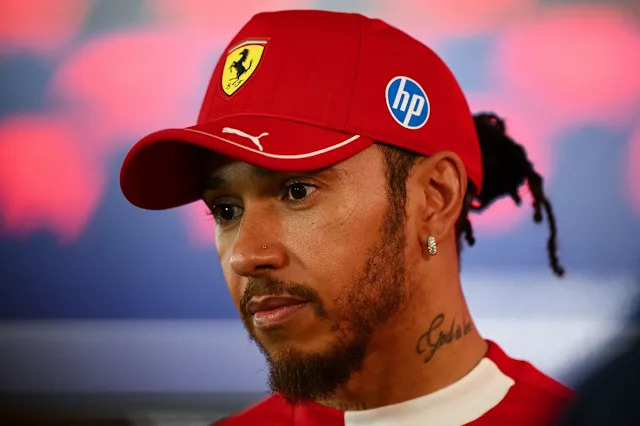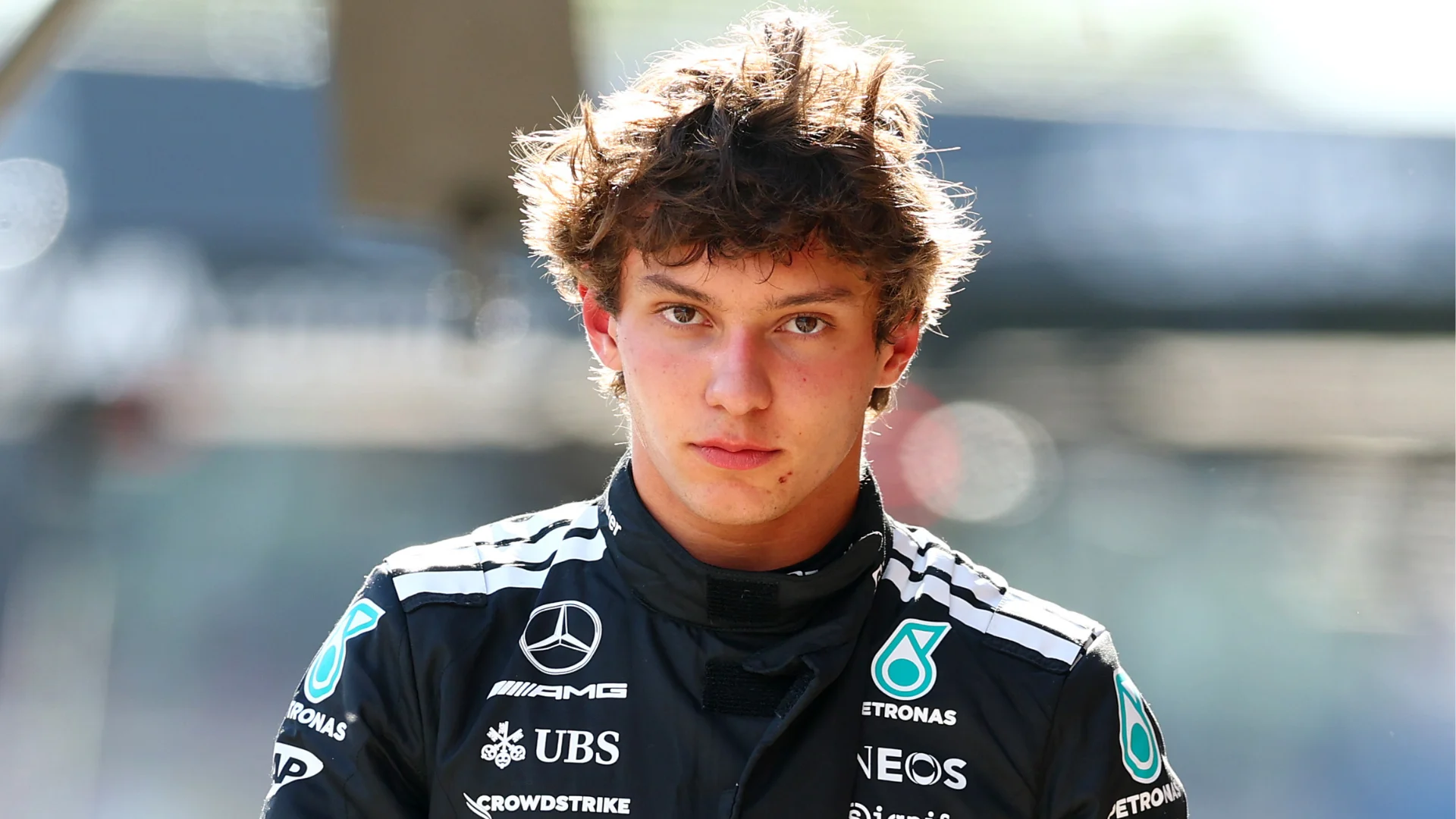
Kimi Antonelli won the 2026 Japanese Grand Prix from pole position, became the youngest driver ever to score consecutive F1 victories at Suzuka, and left the paddock more annoyed than satisfied. The Mercedes rookie's post-race interview with PitLane has emerged as one of the more revealing soundbites of his early career — not because of what he said about the win, but because of what he refused to celebrate.
"Obviously, a very special win in a very special track," Antonelli told the channel. "But you know, on one side I'm very happy, but on the other side I'm a bit disappointed with how the start went."
The context is what makes the admission stand out. Antonelli had converted pole position with the fastest single lap of the year so far on Saturday. The Mercedes was, by most teams' lap-time analysis, several tenths clear of the field on race-trim long runs as well. On a circuit that has historically rewarded pole position more often than almost any other on the calendar, the start was the only obvious weakness in his weekend — and on Sunday afternoon it was the part of the race that nearly undid everything.
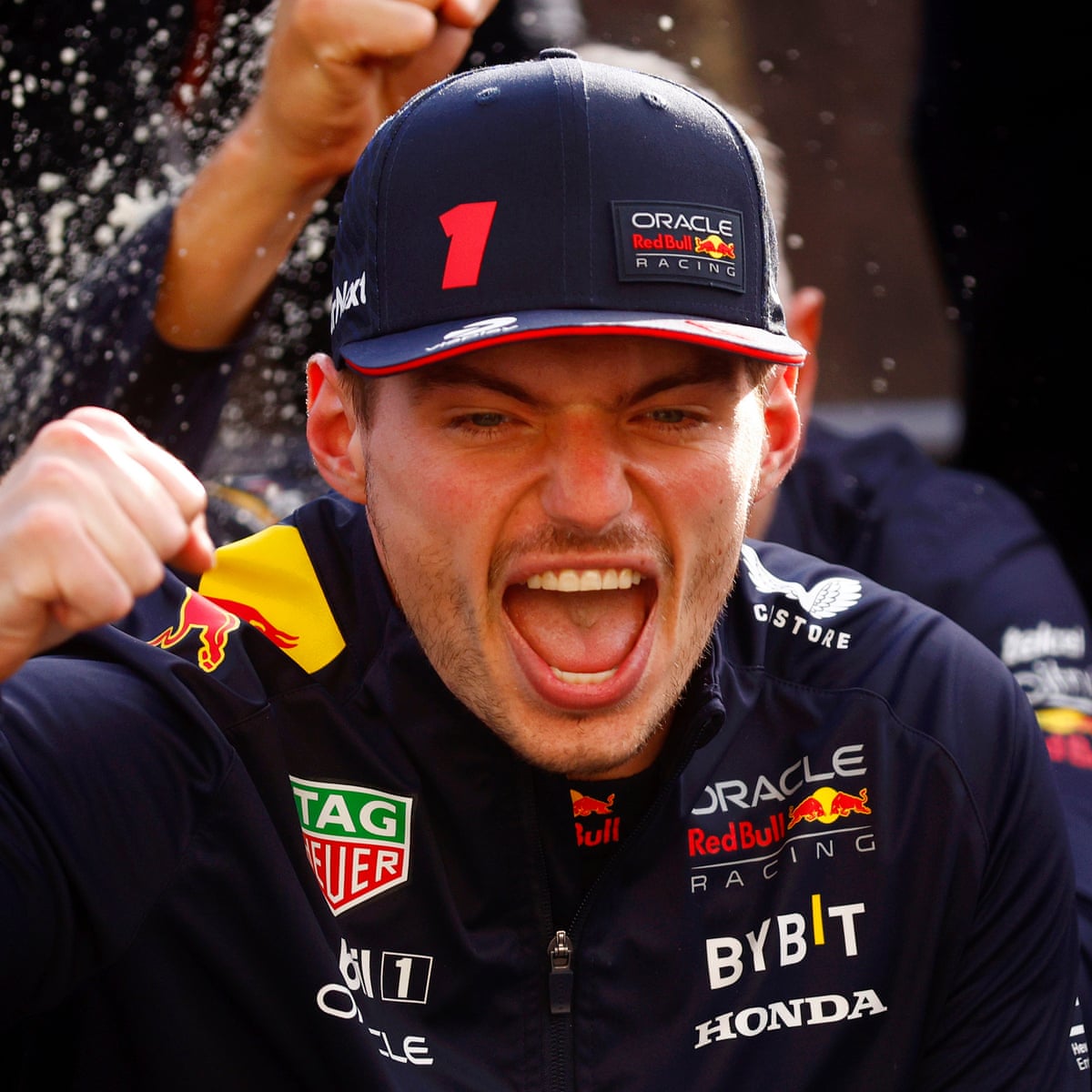
At the lights, Antonelli bogged. By the climb to Turn 2, five cars had cleared him: George Russell, Oscar Piastri, Carlos Sainz, Lando Norris and Charles Leclerc. The Italian sat P6 on the opening lap, in a Mercedes that the rest of the grid agreed had no business being there.
That he then recovered to win the race — by overtaking, in order, Leclerc, Norris, Piastri, Russell and the timing of an undercut on Sainz — is what has driven the championship-statistics chatter now surrounding him. But the line that crystallised the post-race interview was about the start, not the recovery.
Asked exactly how it felt to be P6 on lap one with the fastest car in the field underneath him, Antonelli's answer was unusually candid by F1 standards.
"I cannot say," he replied, after the briefest pause, "but I was very mad."
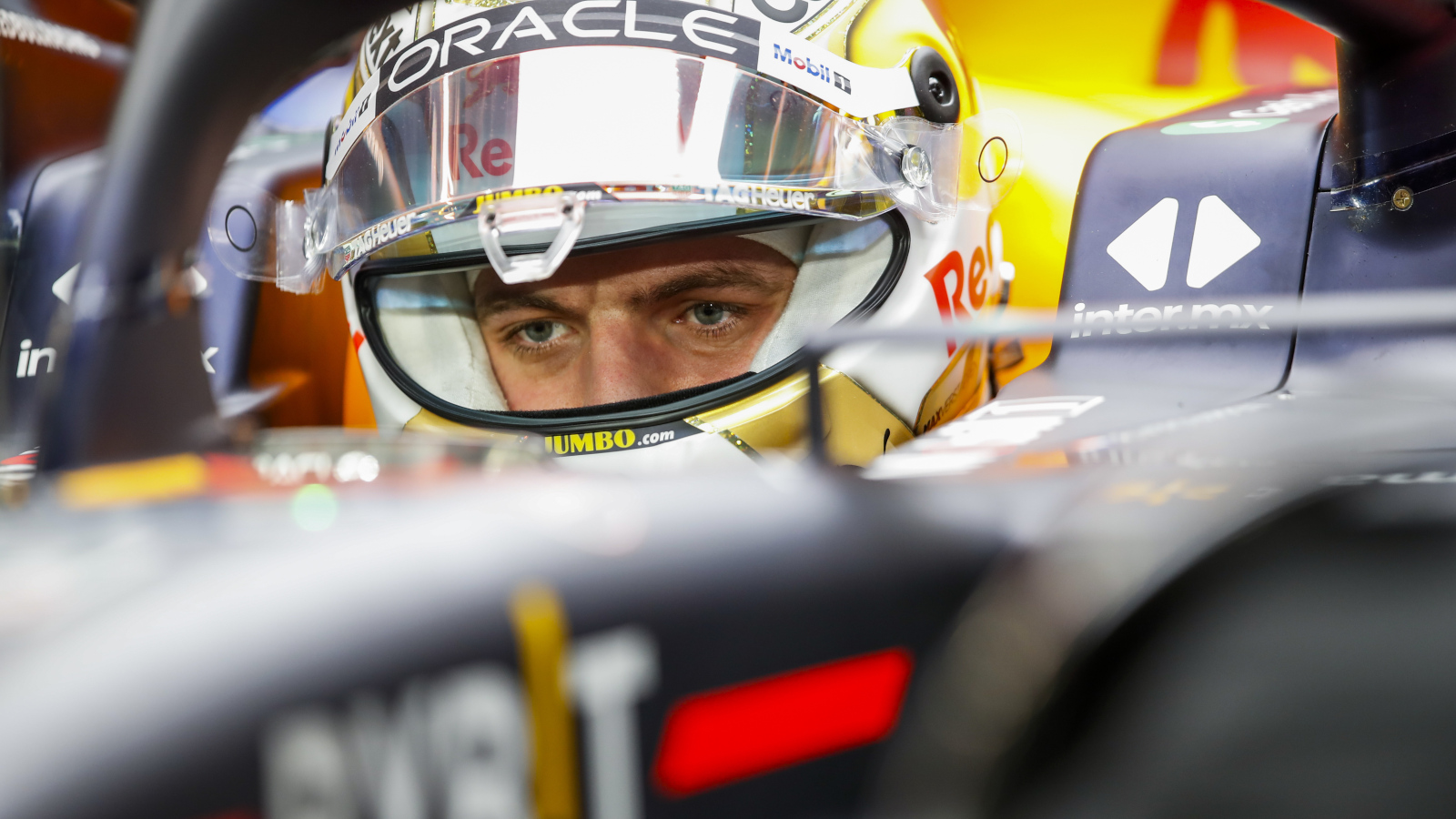
It is the kind of admission that explains the Mercedes garage's current approach to him. Toto Wolff has spent the last fortnight publicly preaching containment around the Antonelli story — "it's important to keep calm now" — with messaging clearly intended as much for the Italian media spotlight as for the driver himself. Antonelli's own internal benchmarking, however, appears to be far more demanding than the public conversation around him.
"I'm not thinking too much about the championship," he said. "Of course it is great, but it's still a long way to go, and I need to keep raising the bar."
The Russell question, in particular, sits at the heart of how Antonelli is framing his own season. The pair of Mercedes drivers are currently separated by a comparatively small handful of points, and Antonelli was clear that he expects the team-mate gap to compress further as Russell's experience advantage flows into the calendar's middle phase.
"Because you know, you have George at the other side of the garage," Antonelli said when asked about internal benchmarks. "And he's going to come strong for the rest of the season."
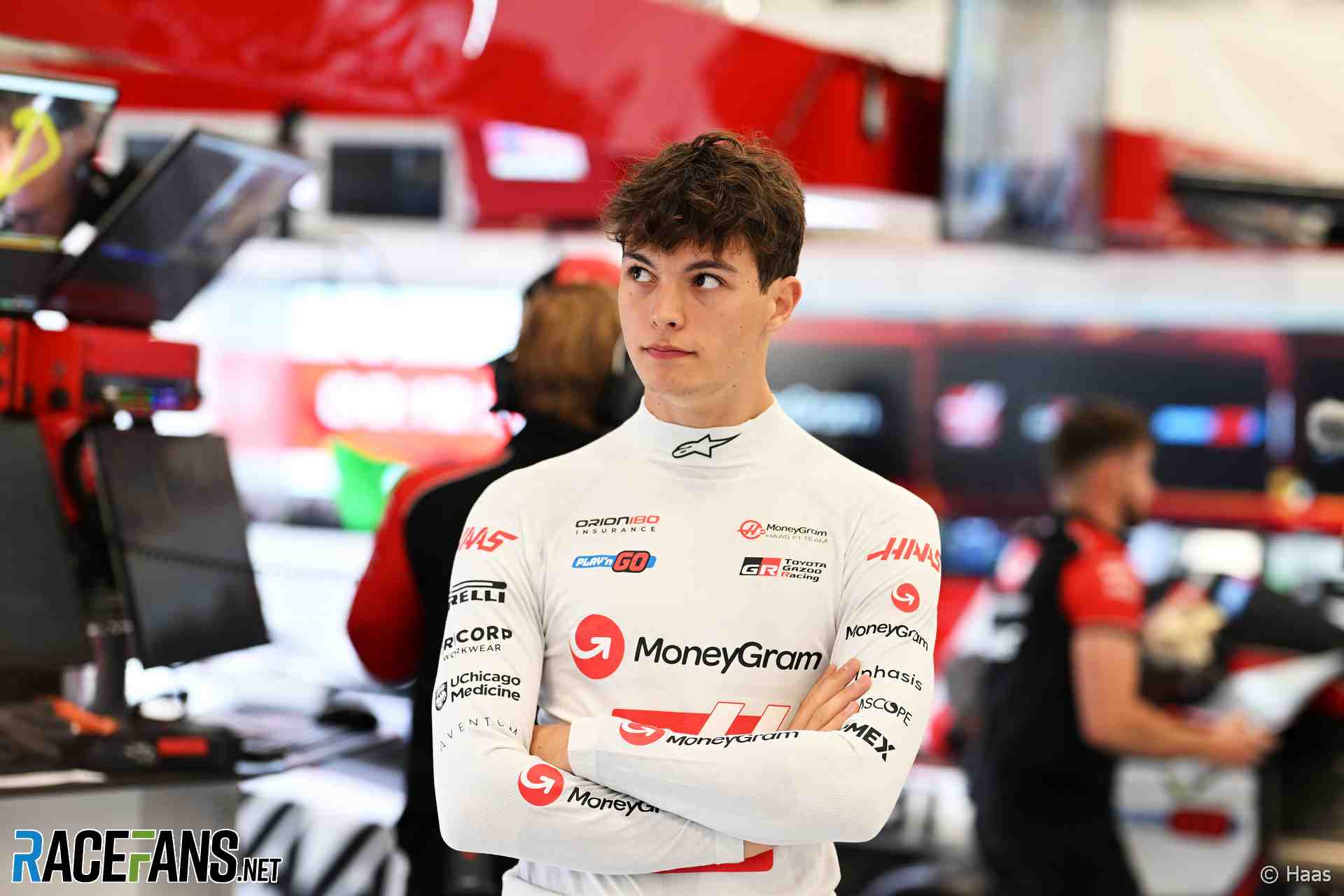
That awareness — of where the weakest part of his game sits, and of which team-mate is most likely to expose it — is one of the most telling elements of his current package. He is a championship-leading rookie. He is walking out of victory celebrations and going public, on his own initiative, with criticism of the one phase of the race weekend that historically has the longest learning curve in Formula 1.
For Mercedes, the implication is the kind of self-management most teams spend years trying to instill in their lead drivers. The car has work to do. The starts are the priority. And the calm Wolff is publicly attempting to enforce around his rookie, on present evidence, has already been adopted internally.