Red Bull Powertrains and Ford have been operating, by F1 standards, against the clock from day one. The DM01 power unit — named for the late Dietrich Mateschitz — only fired on a Milton Keynes dyno for the first time in August 2022, the engine factory itself was completed in 55 weeks, and there was no in-house F1 engine heritage to fall back on inside Red Bull's new combustion operation.
Four rounds into the 2026 season, with cars from Red Bull Racing and Racing Bulls scoring points and Mercedes still serving as the benchmark, Ford Performance director Mark Rushbrook has detailed for Autosport what it actually took to get this far — and what the project has demanded of Ford that nobody negotiated for in 2023.
"It's been a long journey, three and a half years to get the power unit on track, so it was fantastic to see that in Melbourne for the start of the season," Rushbrook said.
Ford's reentry to top-line motorsport was always going to be measured against the difficulty of the task rather than against immediate results. The new 2026 power unit regulations rewrote the formula: roughly equal contribution from combustion and electrical components, full sustainable fuel mandate, fundamentally new energy deployment architecture. For a manufacturer reentering Formula 1 alongside a partner who had never built an F1 engine before, simply qualifying as a full-season power unit supplier was the first deliverable.
"We knew what an incredible challenge it would be, simply to get on the grid with the new power unit, to be honest," Rushbrook said.
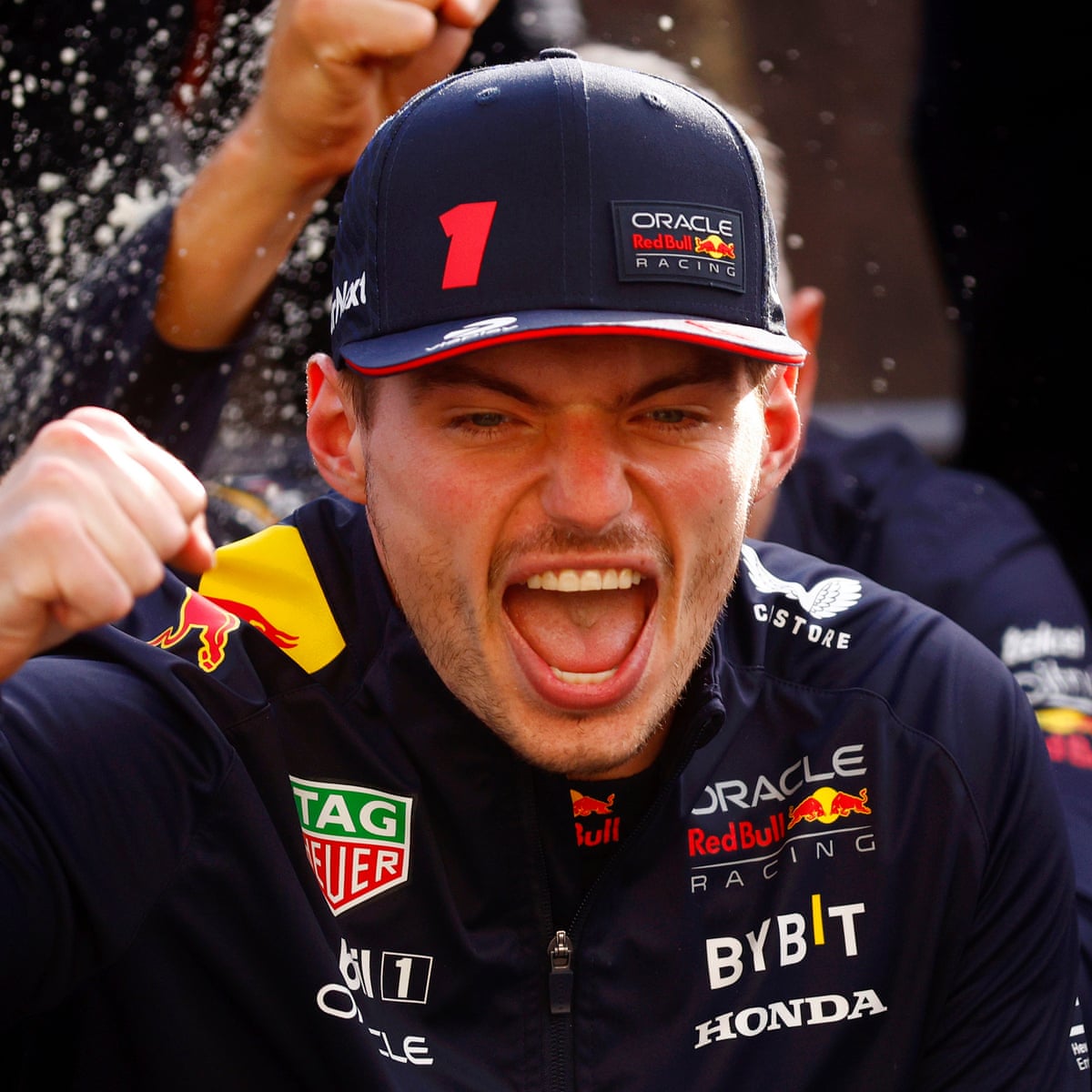
The early results have run ahead of internal expectations. Red Bull's Max Verstappen and Liam Lawson both scored on opening weekends. Racing Bulls have been competitive in the midfield. Mercedes have dominated, but the gap is not the chasm some had quietly feared.
"To be in the mix like we are, it certainly feels good," Rushbrook said.
Ford's original engineering scope was tightly defined. Jim Farley's leadership in early 2023 committed the manufacturer to a contribution centred on the electrical side of the new regulations, the area where Ford's road-relevant development capacity was strongest.
"The original list was focused on the electrification part of it: the battery cell, the motor, the inverter, the software, and the calibration board," Rushbrook explained.
In practice, Ford's contribution expanded as the project matured. The biggest surprises were not in software calibration but in physical manufacturing technology — areas where Ford had its own road-car capability, but had not anticipated the F1 programme would push it further.
"The biggest area that we didn't expect is how far it's pushed us on some things like additive manufacturing or advanced manufacturing," Rushbrook said.
For Red Bull Powertrains, the picture is similar. Building an engine workforce from scratch, qualifying a combustion architecture from scratch, and bringing it all to a regulatory deadline that nobody internally was prepared to miss has been one of the most significant industrial undertakings in Red Bull's history. That it has resulted in points-paying weekends from race one rather than emergency reliability work behind closed garage doors is the real story of the partnership so far.
Asked about the comparative state of play across the manufacturer field, Rushbrook acknowledged that benchmarking inside F1 is never as clean as outside observers like to believe.
"There's racing, there's technical, and there's politics, for sure," he said. Of Mercedes' current performance: "Well, yeah, it's pretty good."
The Red Bull-Ford alliance was sold publicly as a long-term partnership rather than a 2026 sprint. On the evidence of the season's early rounds, the alliance has bought itself the platform to fight for that long-term position on merit, rather than on goodwill. For a partnership built against the clock, in a season Red Bull was warned would be the most disruptive in memory, that is a result the inside of Milton Keynes will not yet say out loud.