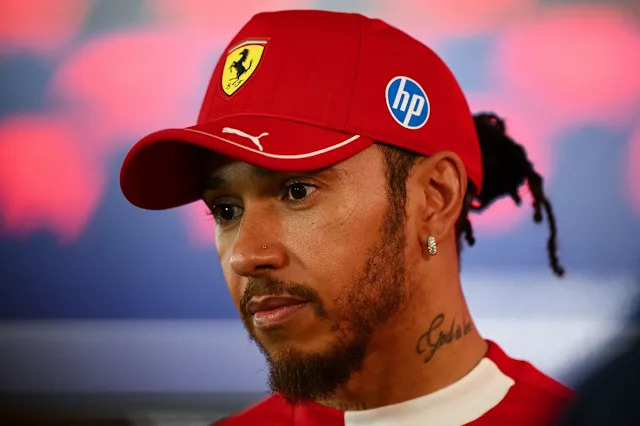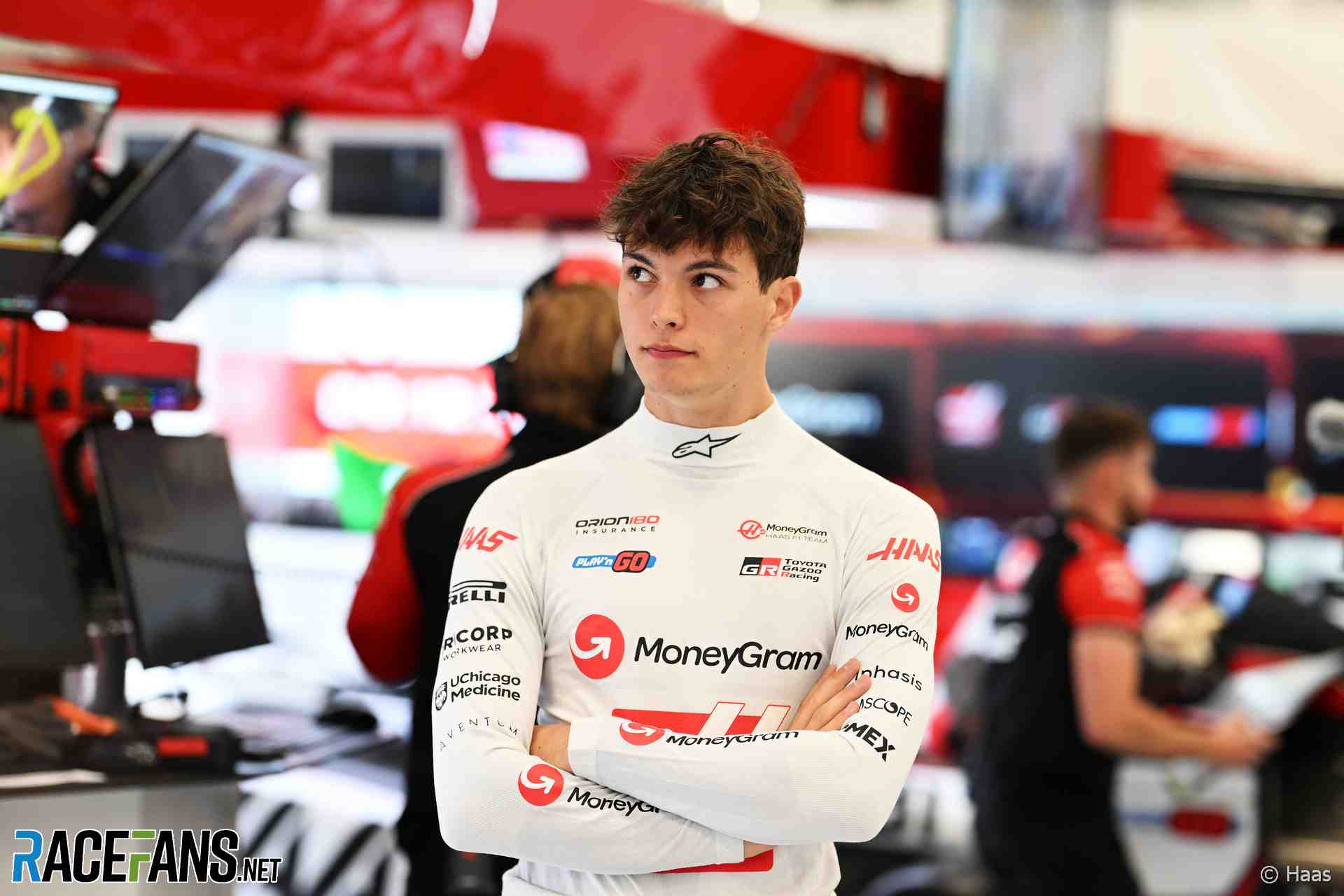
The new 2026 Formula 1 regulations were supposed to enable closer, more skilful racing. Four rounds in, the verdict from outside the manufacturer-FIA bubble has hardened — and the P1 podcast's review of the Japanese Grand Prix has emerged as the most pointed expression of that backlash.
Host Tommy framed the weekend as the moment the formula's structural problems became impossible to ignore.
"My overarching feelings are: we saw the best and worst of the regulations," he said. "One of them being a lucky escape, which we'll get into. And, yeah, it was a mixed bag."
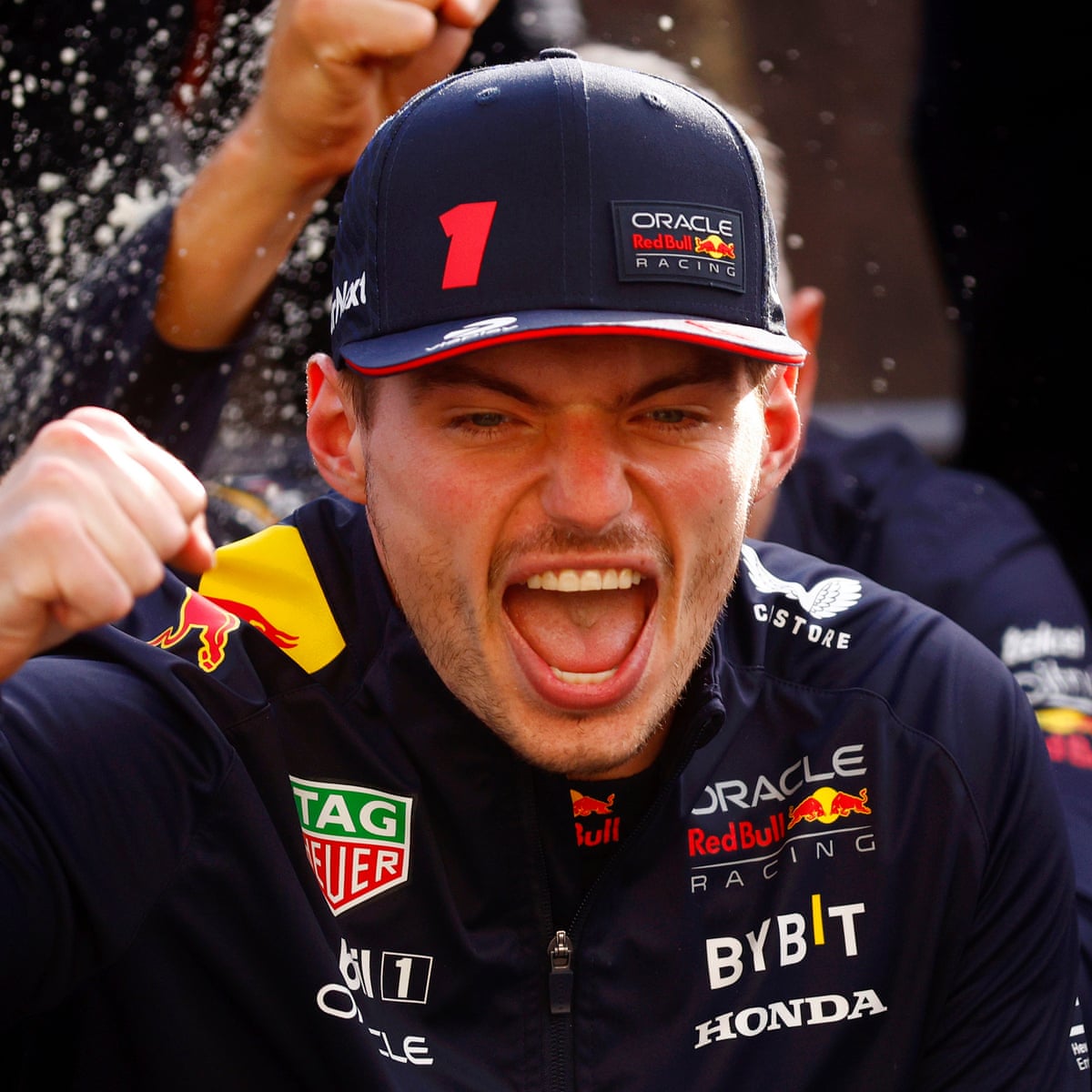
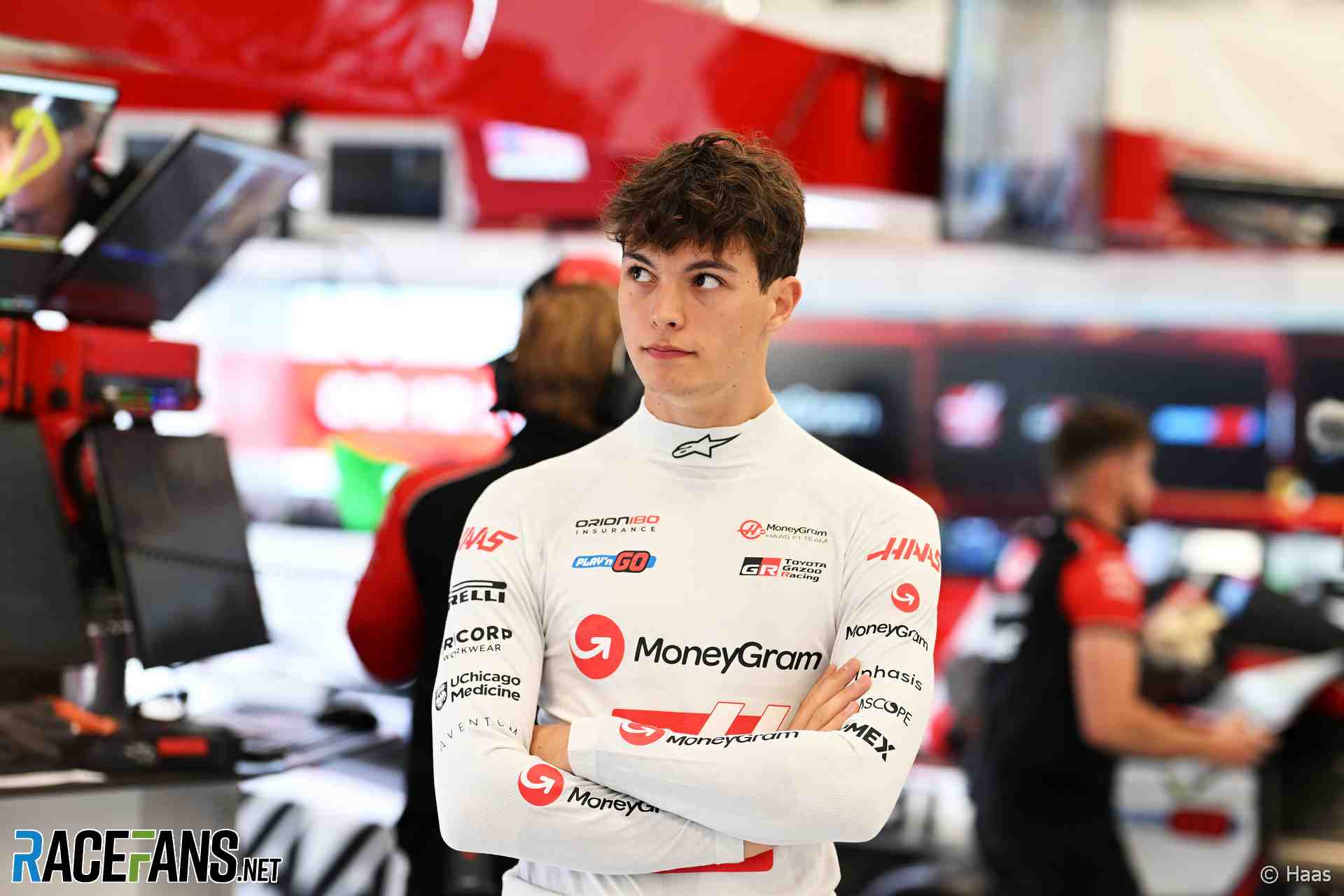
The "lucky escape" was Oliver Bearman's 50G accident at Suzuka — an incident the Haas driver attributed to power clipping from the car ahead, and which the FIA has since used as a key data point in negotiations over mid-season tweaks to the deployment system. P1's hosts have argued that the bigger problem is less the single accident than the racing pattern around it.
Co-host Matt was forthright on what he saw.
"Today, what we saw — kind of going away from the Bearman crash, but I'm on a roll here — is the fact that it was motorway passing," he argued.
The complaint is structural rather than nostalgic. Under the 2026 rules, cars approaching the new manual override activation zones can clear rivals with little contest, only for the dynamic to reverse on the following straight as the overtaken car redeploys its own energy. Tommy described the resulting effect as "yo-yo racing" — and admitted that, just four rounds into the calendar, he is already tired of it.
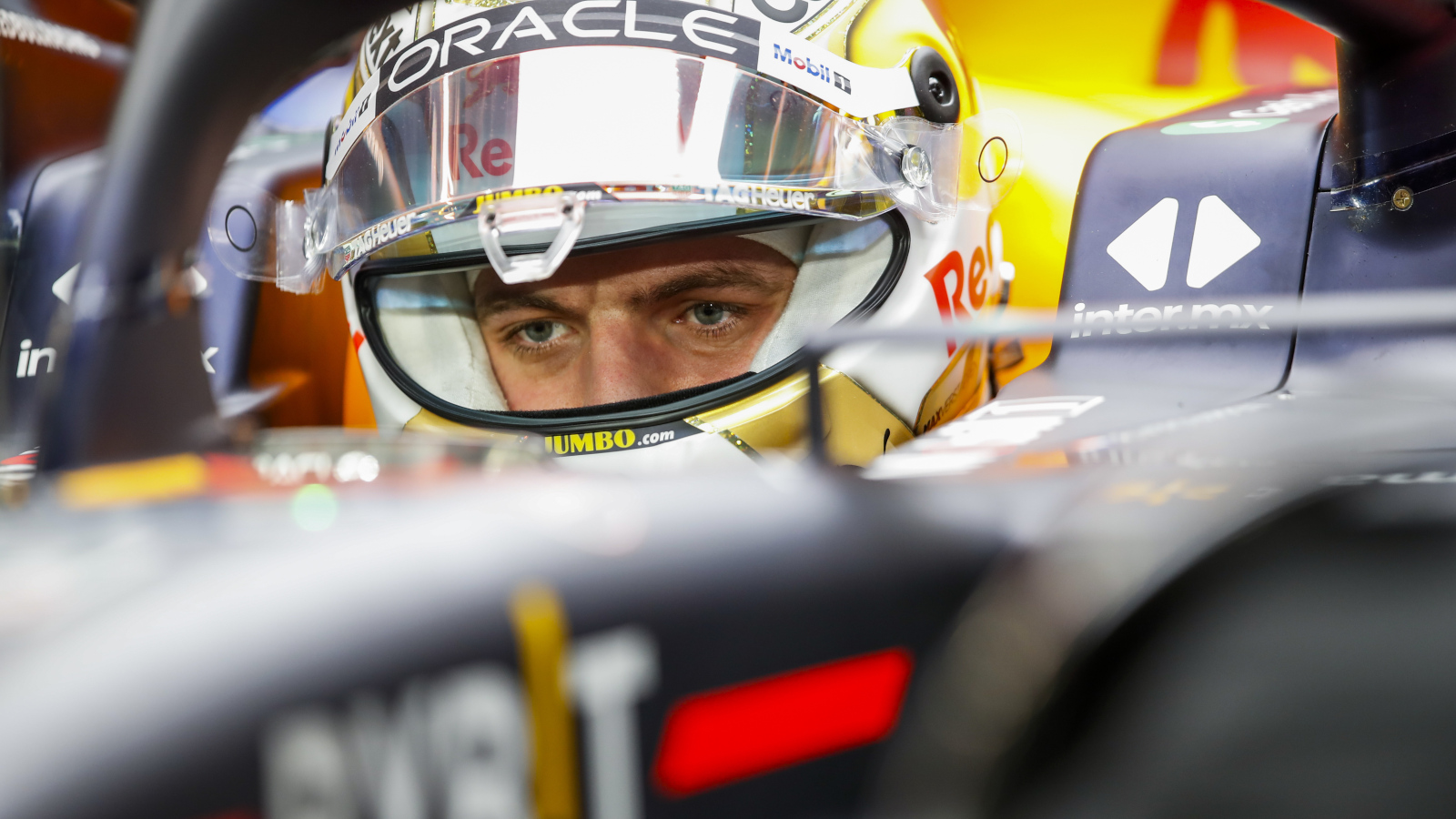
"When you're more races in, and you know that as soon as someone goes for the overtake they just fly past, it kind of gets a bit ridiculous," Tommy said. "It almost reduces the spectacle of the move."
For Matt, the contrast with what Formula 1 was previously built on is now too sharp to ignore.
"The yo-yo racing where it's back and forth action, side by side, trying to beat the other person into the apex — that's Formula 1 in my opinion," he said.
The critique is unusually well aligned with the wider creator-podcaster ecosystem. SpeedHub has spent the early rounds arguing that the manual override functions feel closer to a video-game boost button than to a racing tool, that the unpredictable energy availability creates dangerous closing-speed differentials, and that fan frustration is not merely a reaction to novelty. TurboGrid has talked openly about F1 being "fundamentally broken" and the FIA scrambling through emergency-style meetings to address it. The P1 hosts have endorsed the same diagnosis.
"Fans aren't mad because it's new," Tommy noted of the audience reaction his channel is seeing. "They're frustrated by specific things — the energy modes, the deployment swings, the absence of fight on the overtake itself."
That distinction matters for the politics of what the FIA does next. The governing body is currently in deep technical discussion with manufacturers over reshaping the deployment profile in 2026, and over the proposed 60/40 ICE-ERS power split for 2027. Several teams have backed those proposals in public. The P1 podcast is clear, however, that small tweaks will not change the diagnosis if the structural issue — overtakes determined by deployment timing rather than by driver skill — remains.
"My fear," Tommy summarised, "is that you can pour all the fixes you want into this, and we'll still end up watching motorway racing."
That will be the question Formula 1 carries through Miami, Imola and Canada. The FIA can adjust deployment maps. It can shift power split percentages. What it cannot easily do — and what podcasters like the P1 hosts are arguing for — is restore the apex-fight identity that the 2026 reset was supposed to enhance, not erode.